Photo location game · Asia
India landmarks quiz: guess where 30 photos were taken
Every India location in the game, 30 in all, with its photo, its fact and its place on the map. The round at the top plays five.
★ 4.7 on Google Play· 60 ratings· 500+ downloads· Free
Five of the 30 places, one at a time. Put a pin where you think the photo is.
Tap the map where you think this is
Where they are
30 on the mapAll 30 places
by id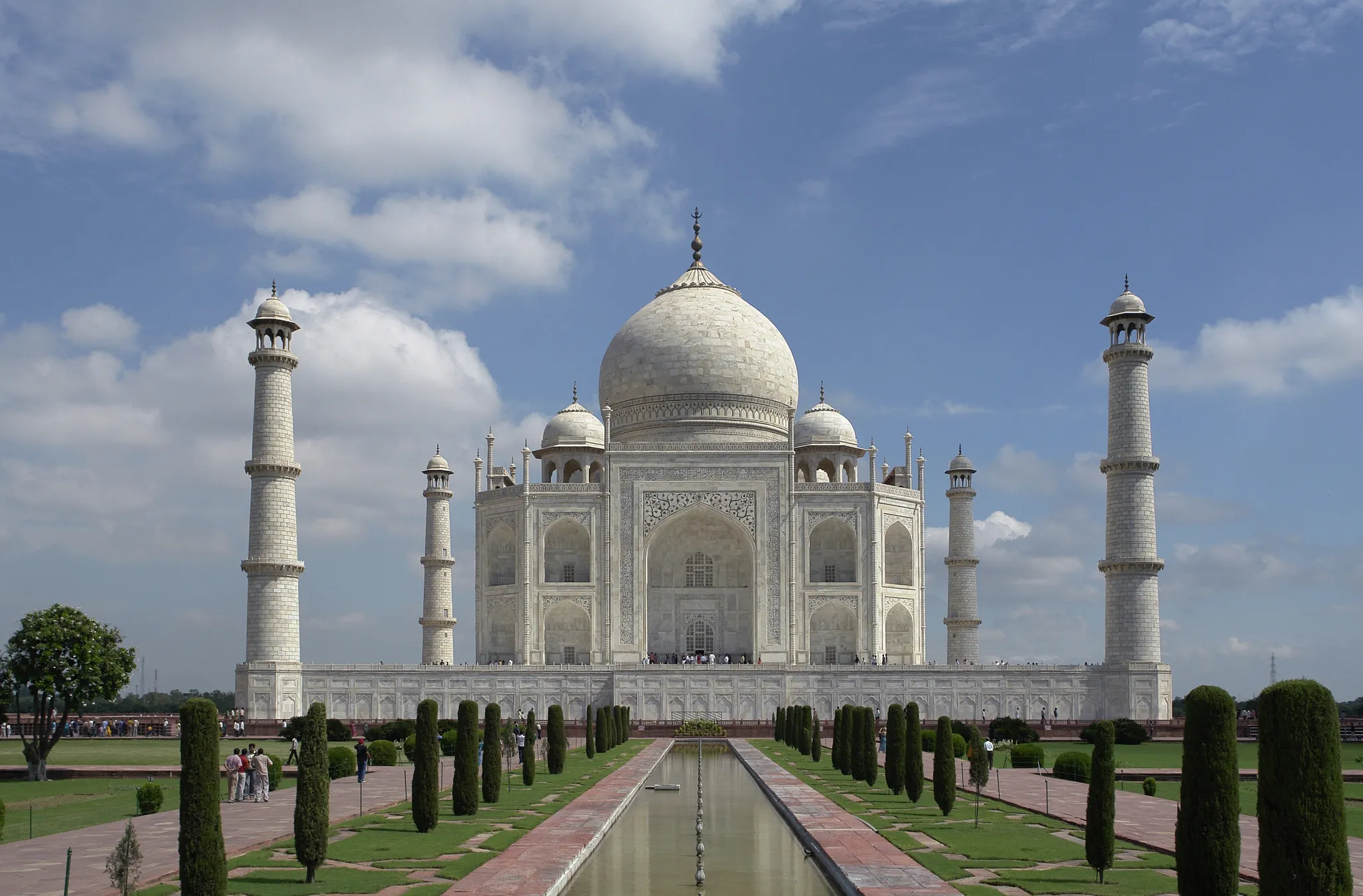
The white marble mausoleum on the Yamuna river, built by Shah Jahan.
Photo: Yann; edited by King of Hearts / CC BY-SA 4.0, via Wikimedia Commons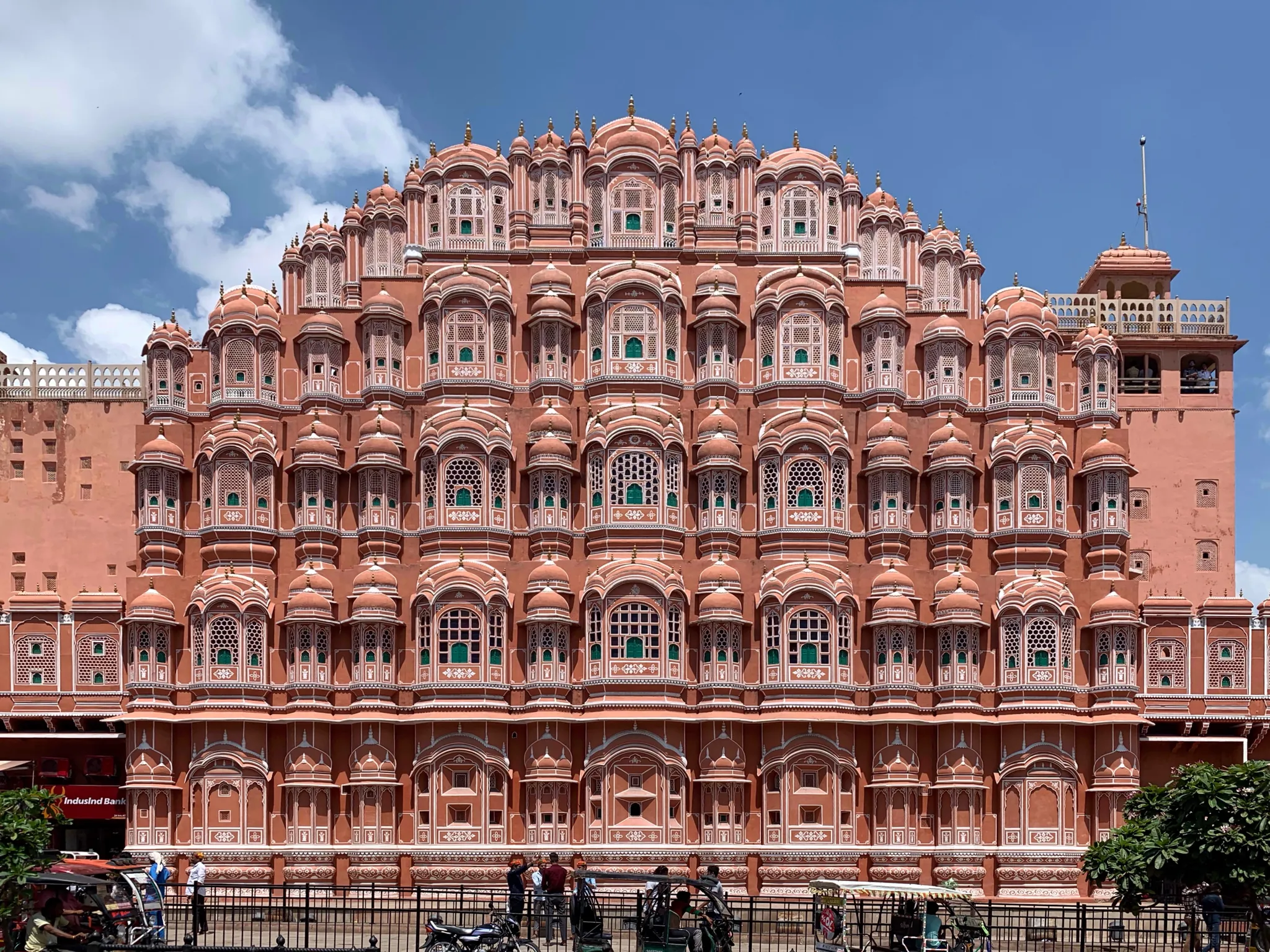
A pink honeycomb palace facade of hundreds of windows.
Photo: Chainwit. / CC BY-SA 4.0, via Wikimedia Commons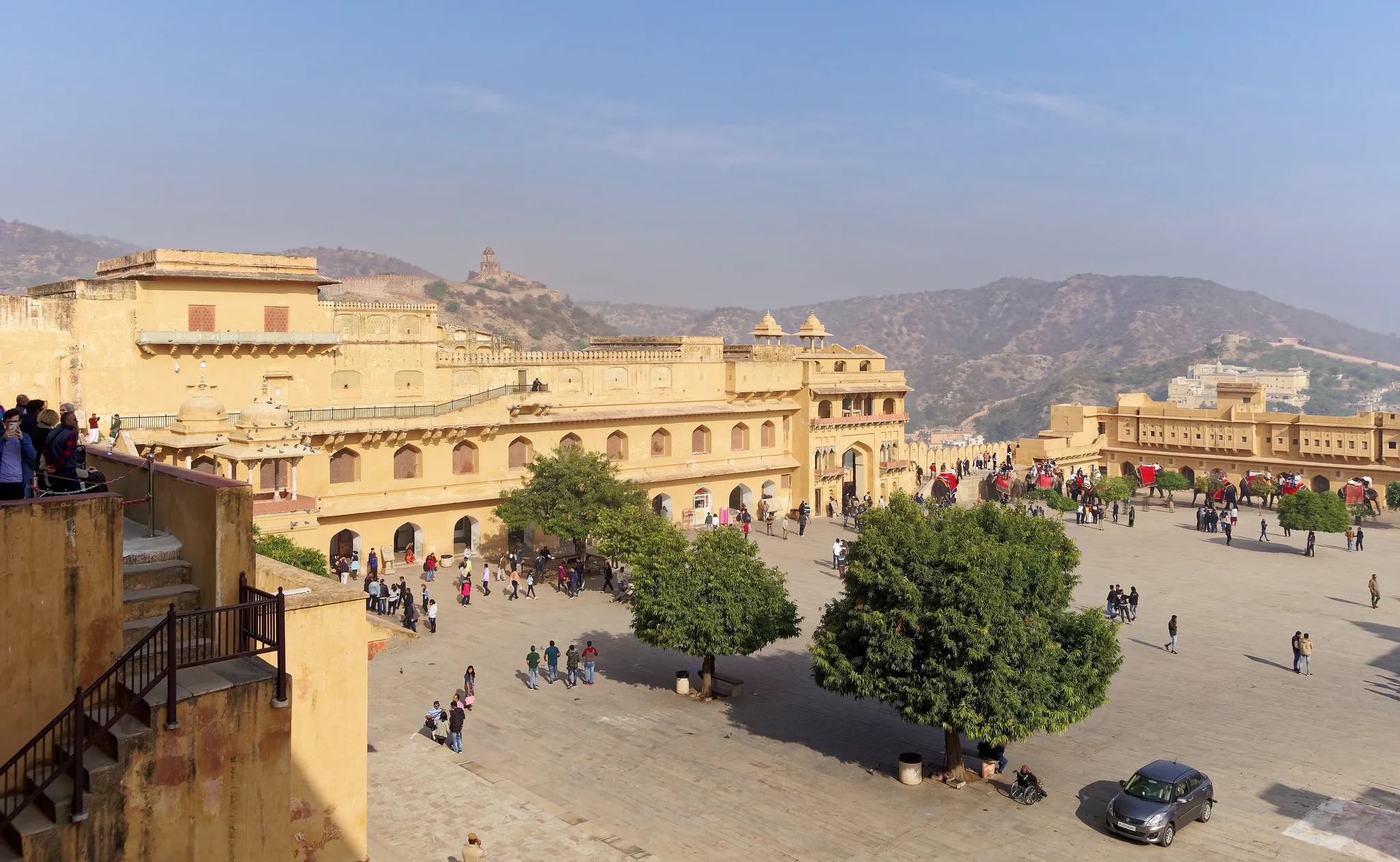
A hilltop fort of sandstone and marble above a lake.
Photo: Jakub Hałun / CC BY-SA 4.0, via Wikimedia Commons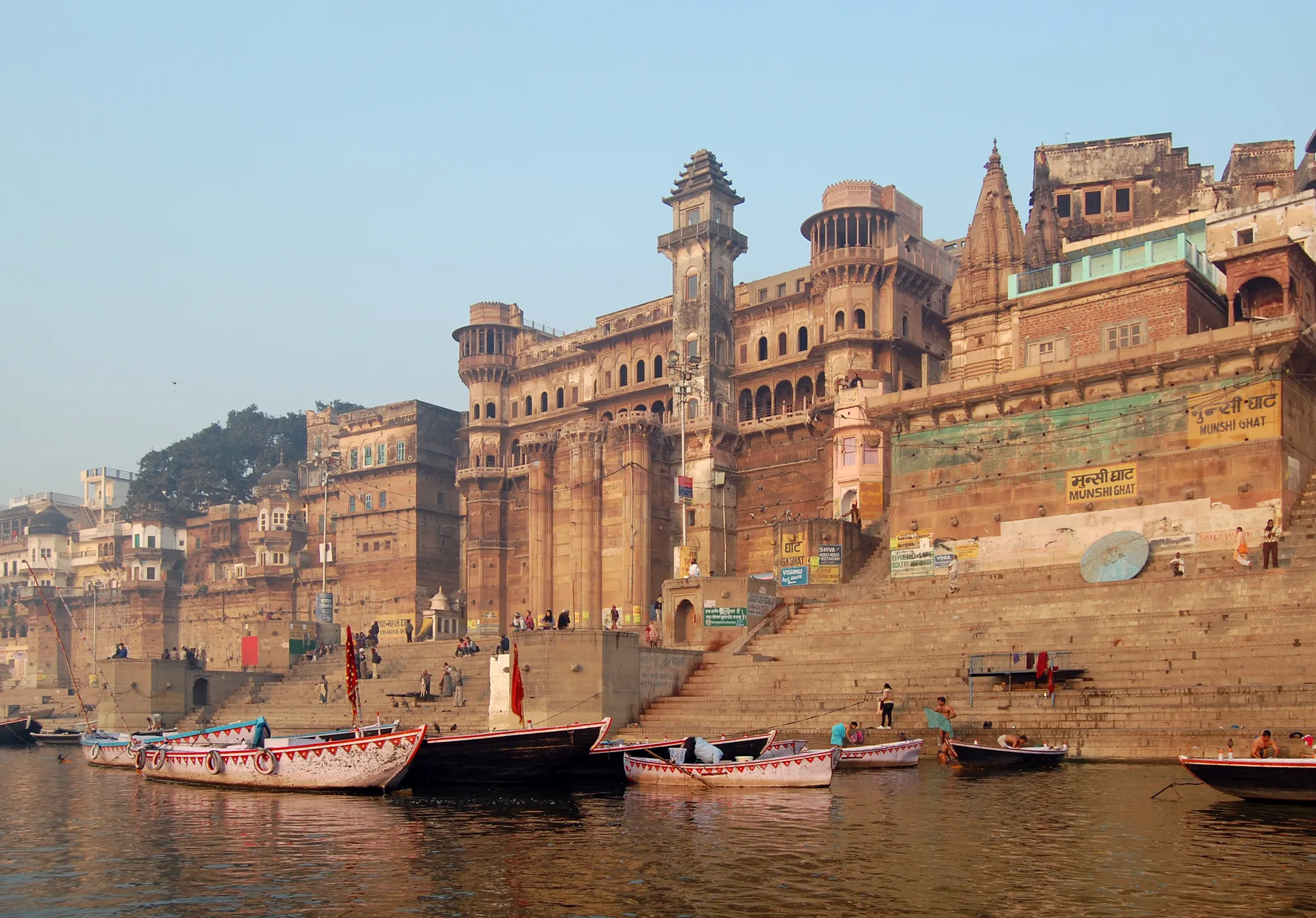
Riverfront steps where pilgrims bathe in the Ganges.
Photo: Marcin Białek / CC BY-SA 3.0, via Wikimedia Commons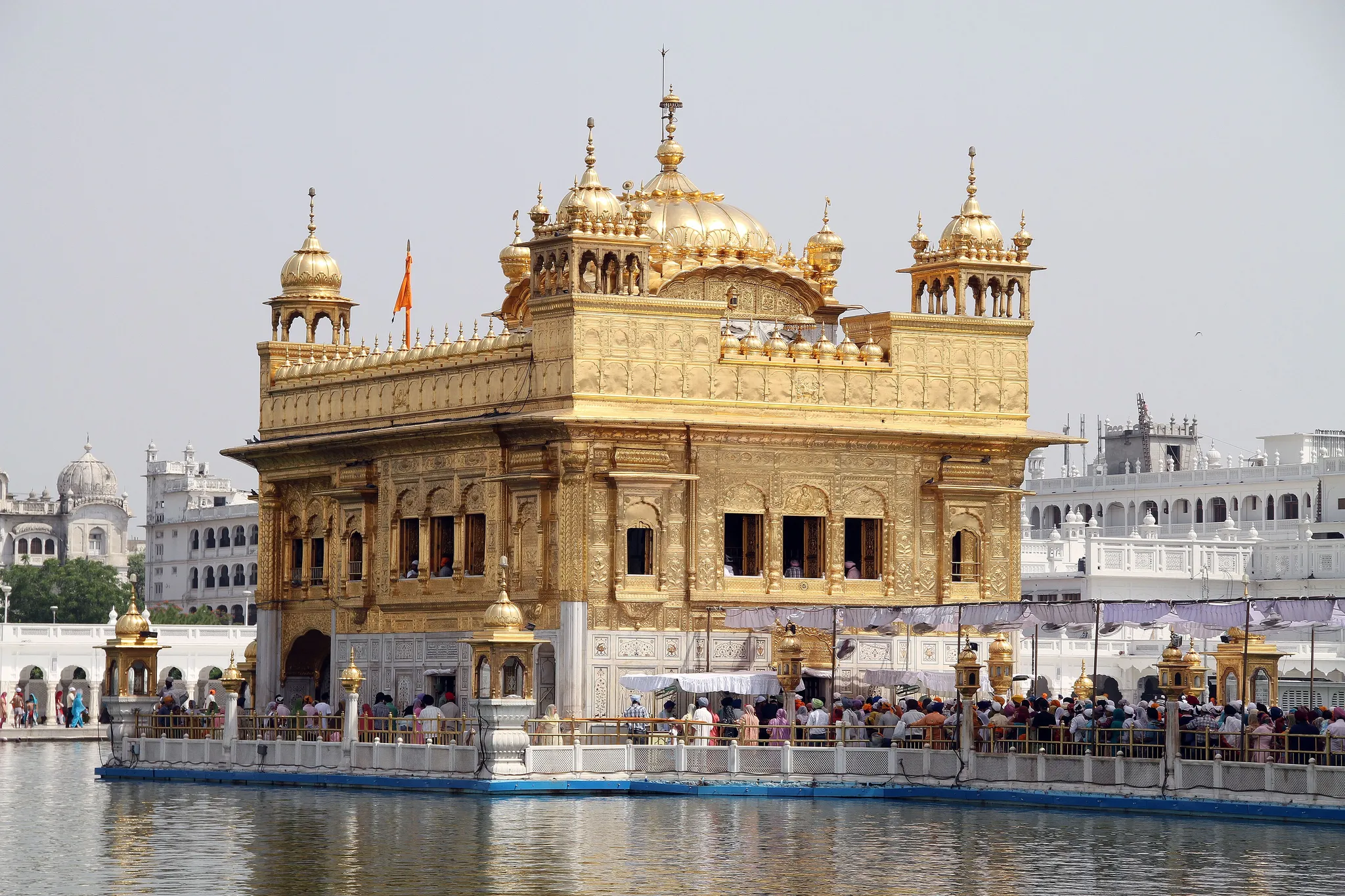
A gilded Sikh shrine on an island in a sacred pool.
Photo: This picture has been taken by Oleg Yunakov. Contact e-mail: yunakovgmail.com. Image can be used in accordance with the terms of the СС-BY-SA license. Other photos can be seen here. / CC BY-SA 3.0, via Wikimedia Commons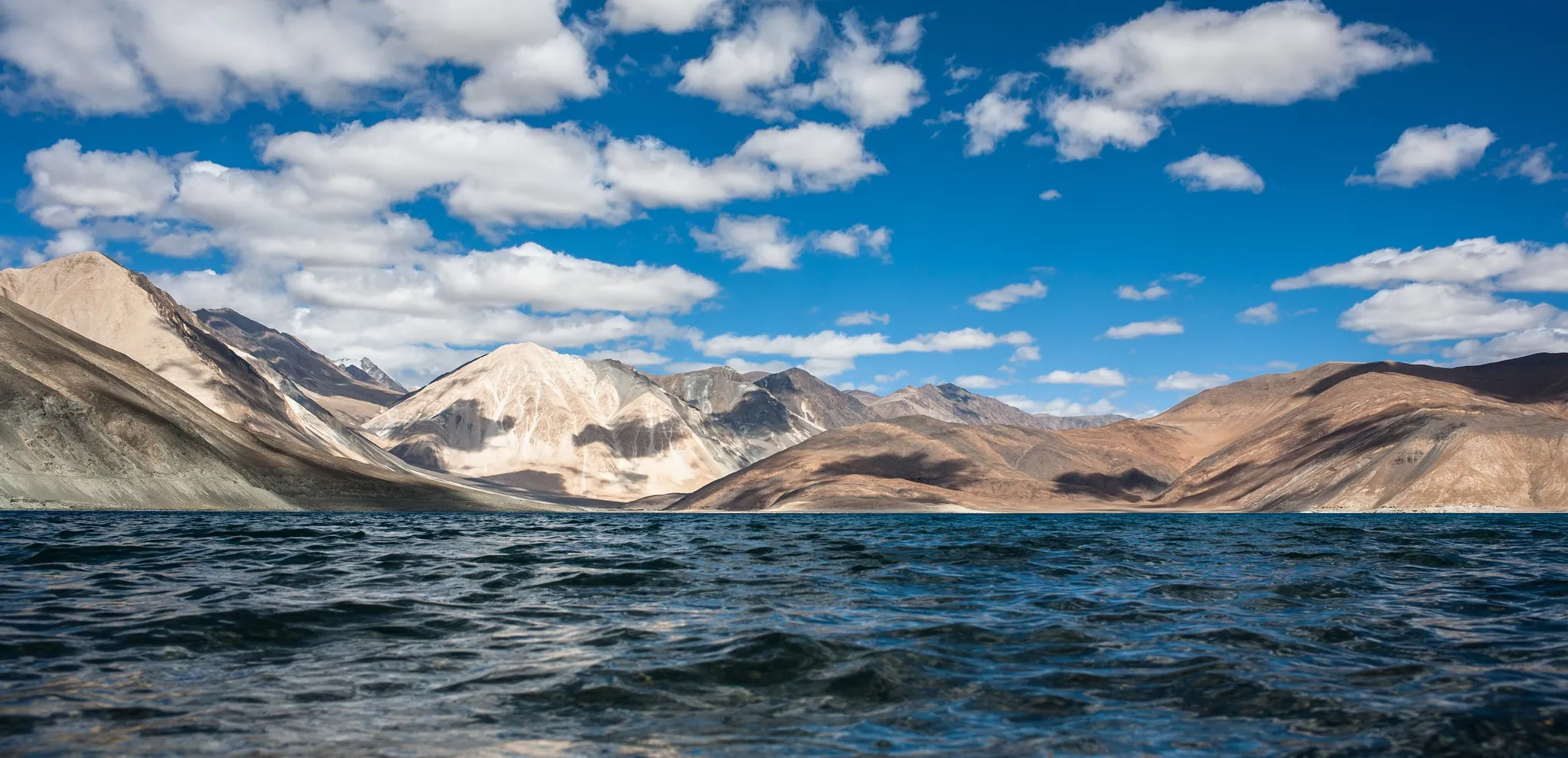
A high-altitude blue lake between barren Himalayan ranges.
Photo: KennyOMG / CC BY-SA 4.0, via Wikimedia Commons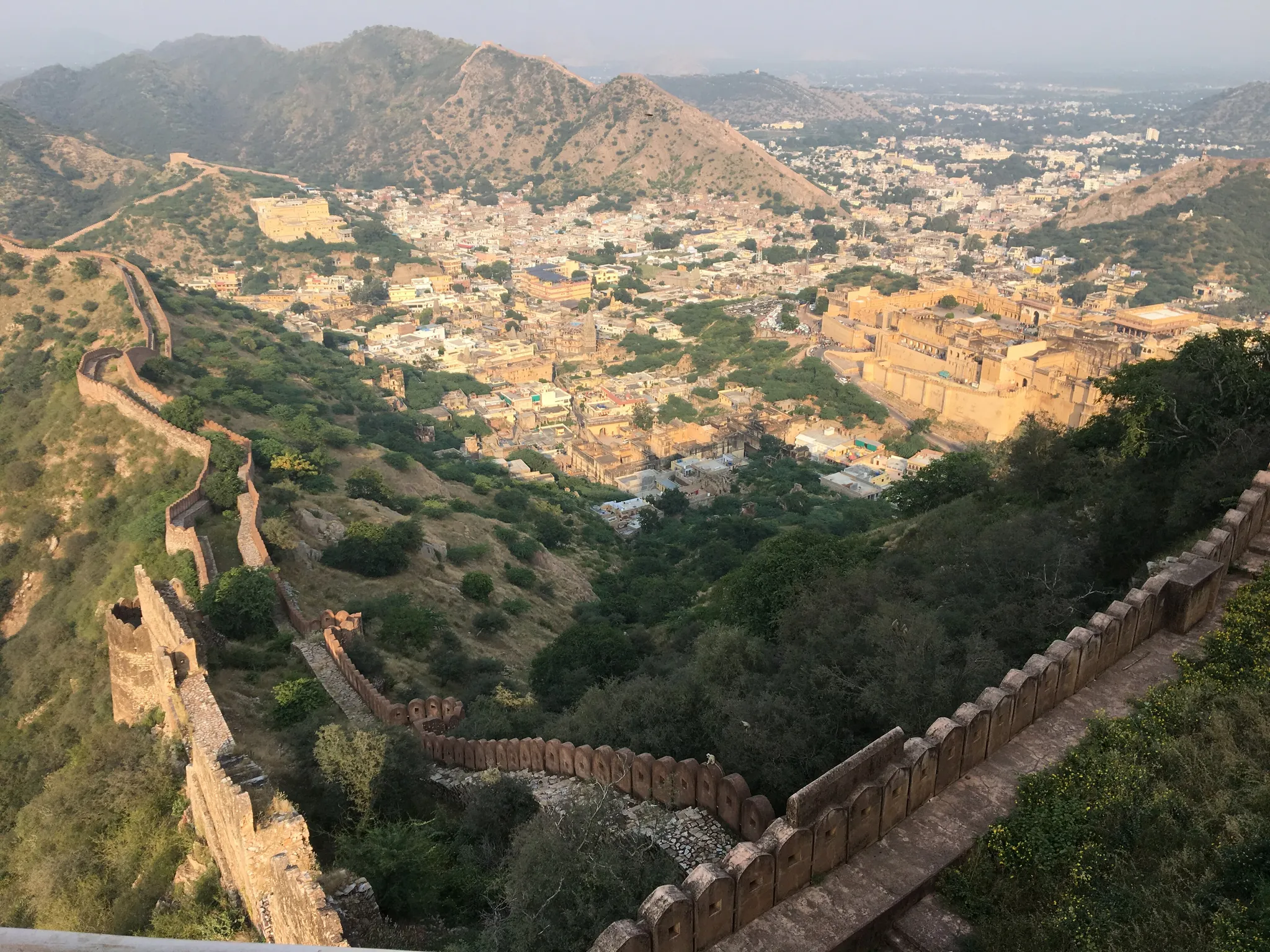
Six hilltop forts of the Rajput kingdoms rising above the Aravalli hills.
Photo: Baunduleekjan / CC BY-SA 4.0, via Wikimedia Commons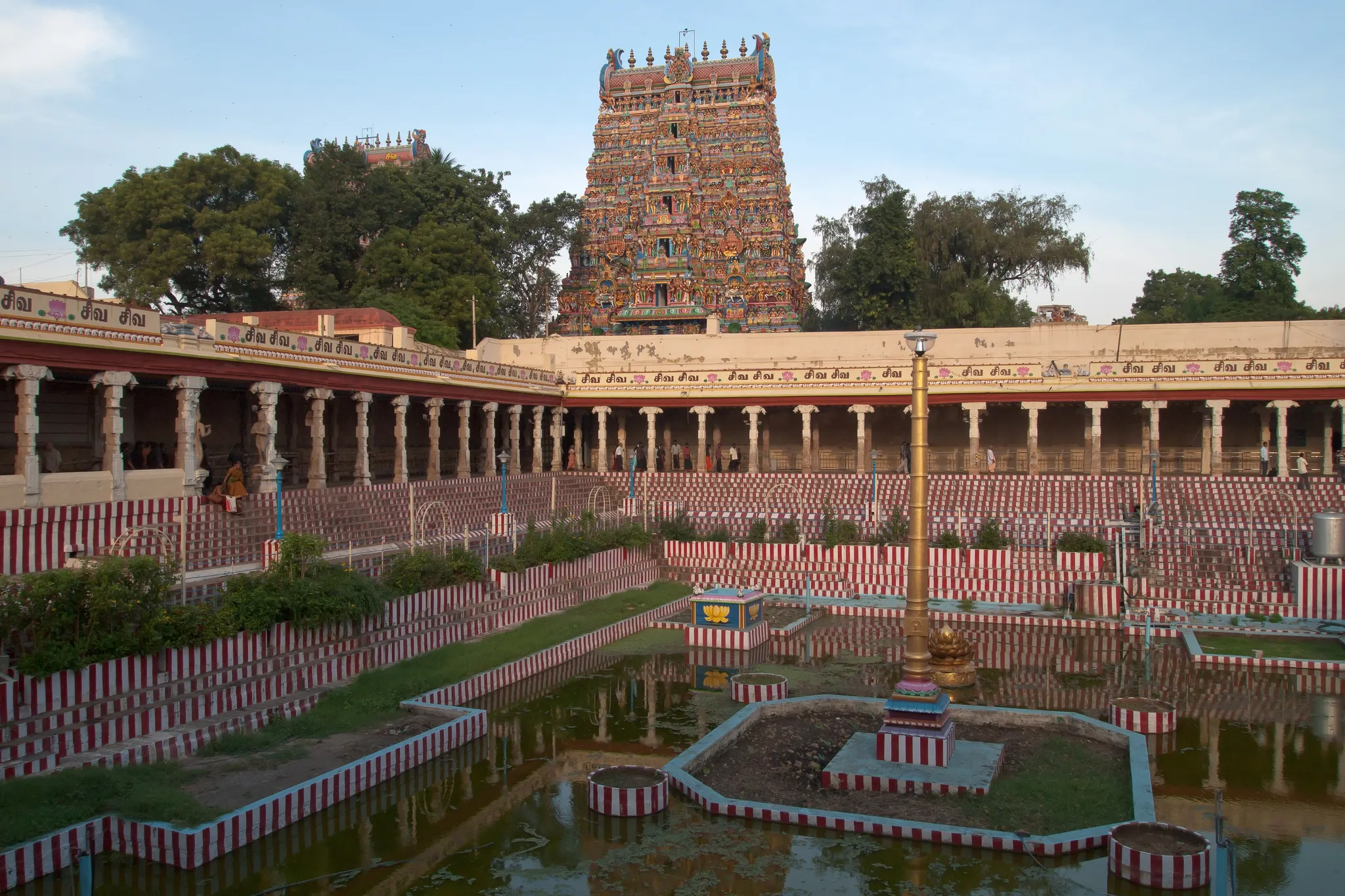
A Hindu temple famous for its towering gateways covered in thousands of painted figures.
Photo: Vyacheslav Argenberg / CC BY 4.0, via Wikimedia Commons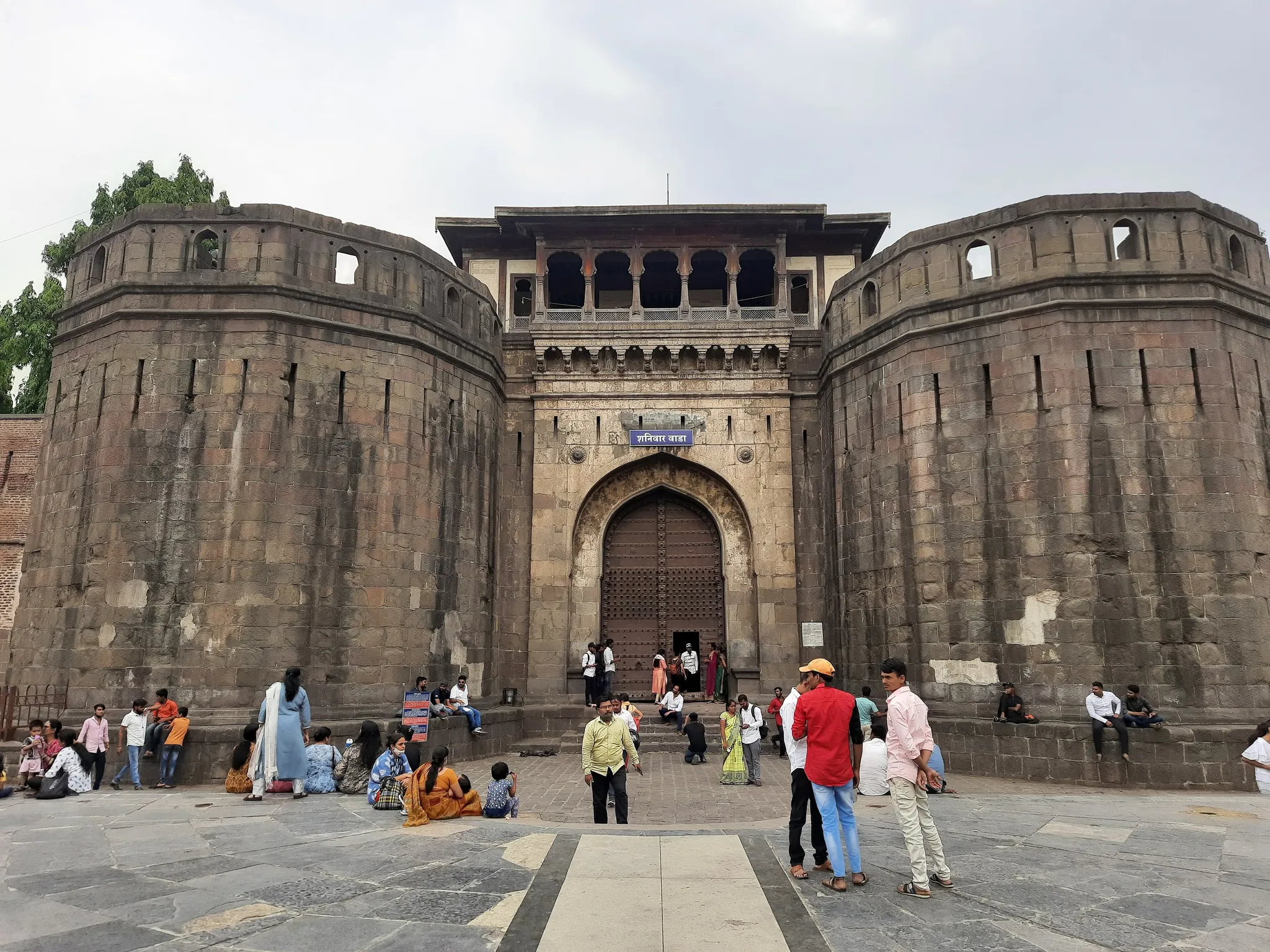
India's 'Oxford of the East', with the Shaniwar Wada fortress of the Maratha rulers.
Photo: Pravega / CC0, via Wikimedia Commons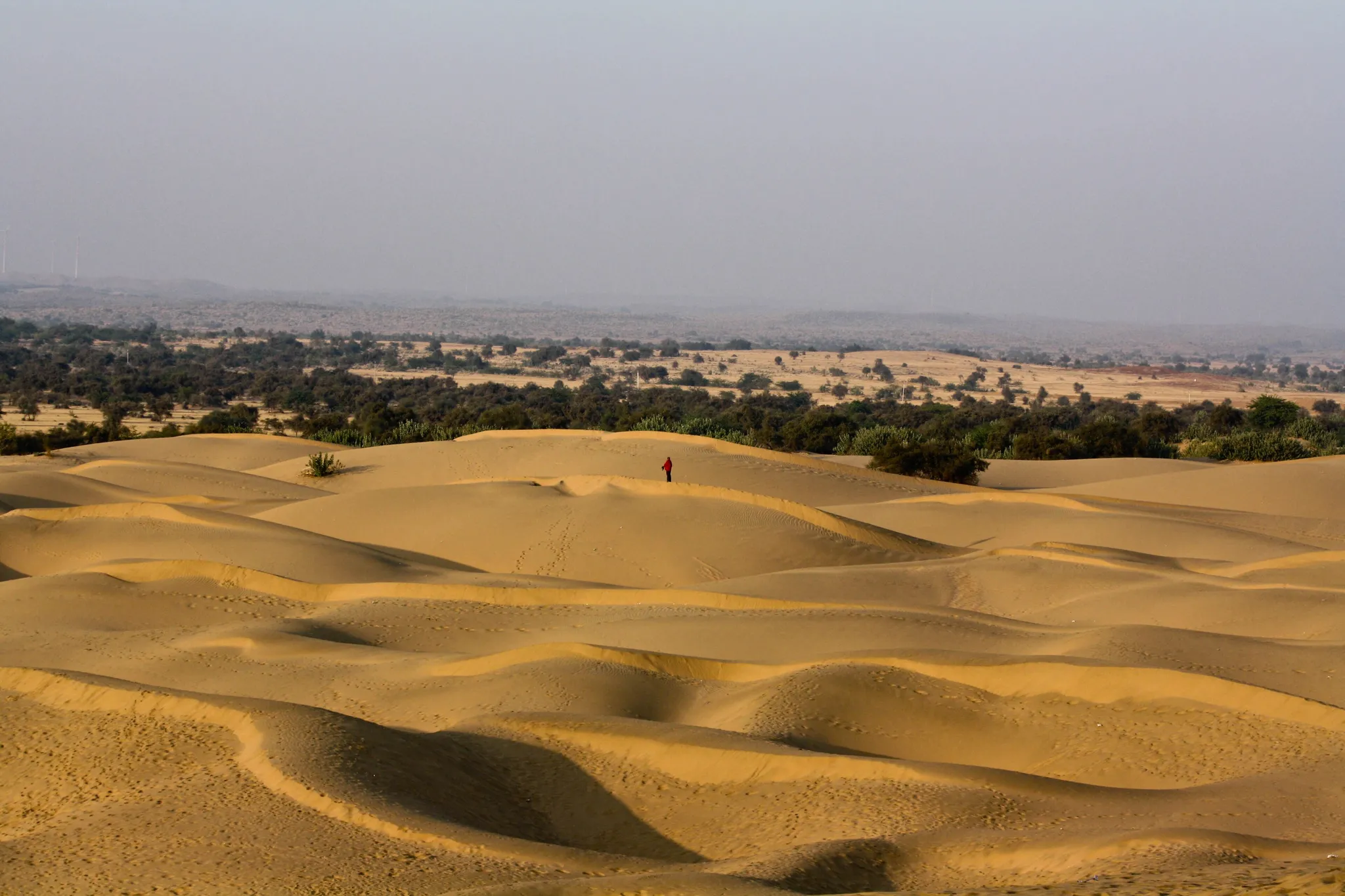
The Great Indian Desert of rolling dunes on the border with Pakistan.
Photo: sushmita balasubramani / CC BY 2.0, via Wikimedia Commons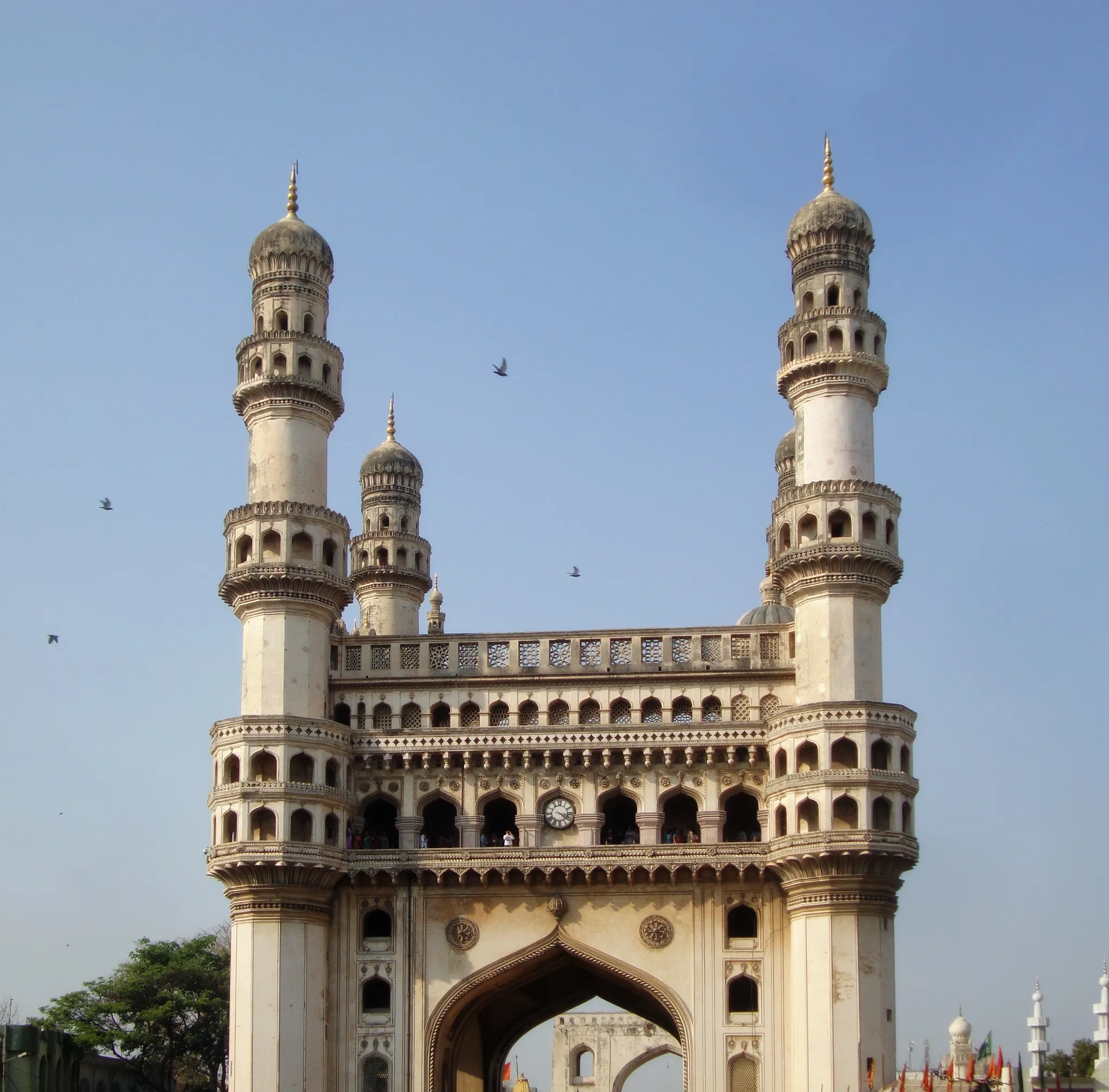
Hyderabad's 1591 monument of four minarets, the symbol of the city.
Photo: Joydeep / CC BY-SA 3.0, via Wikimedia Commons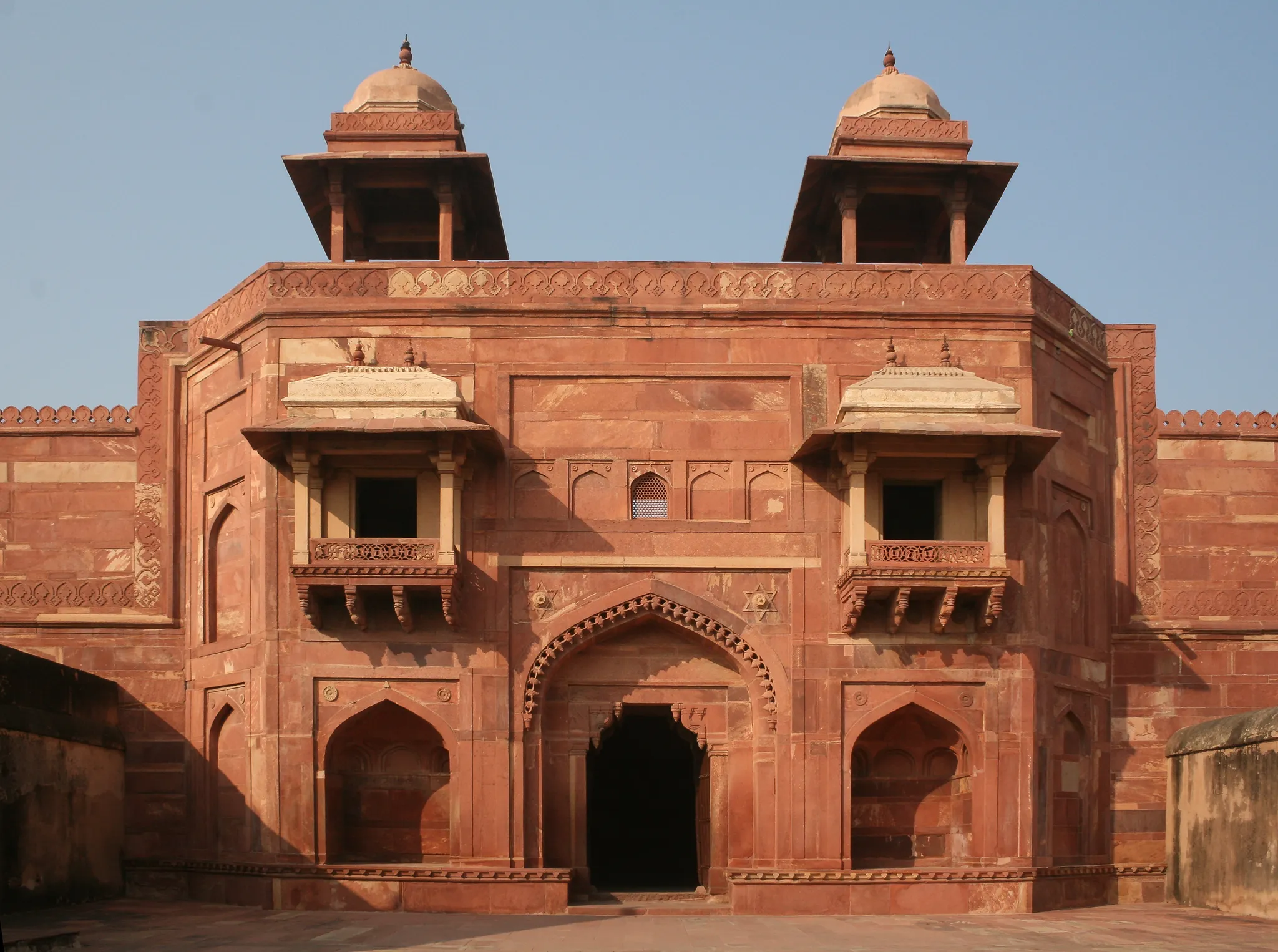
A red-sandstone Mughal capital abandoned only 14 years after it was built.
Photo: Diego Delso / CC BY-SA 4.0, via Wikimedia Commons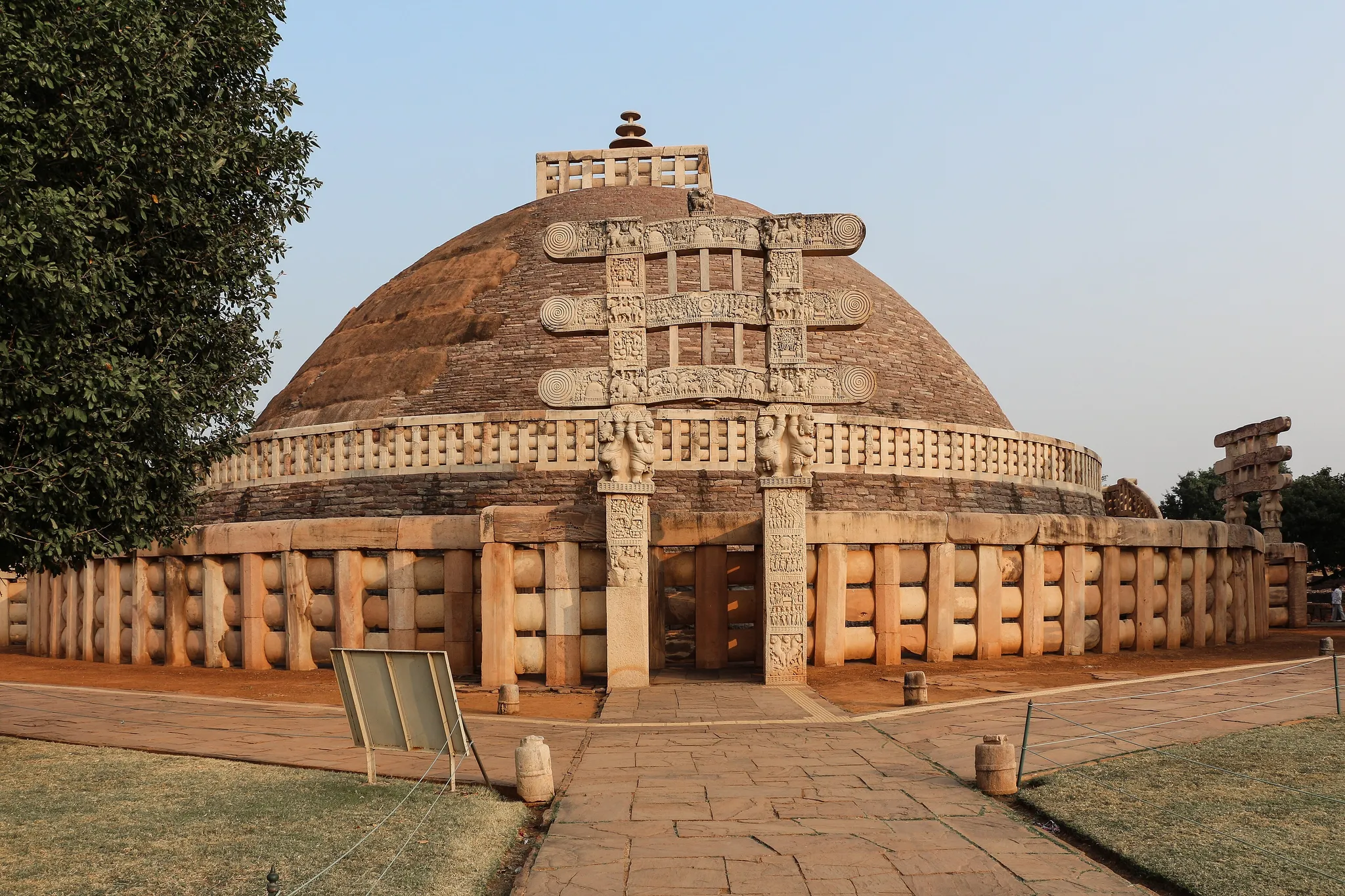
The Great Stupa, one of the oldest stone Buddhist monuments, from the 3rd century BC.
Photo: Bernard Gagnon / CC BY-SA 3.0, via Wikimedia Commons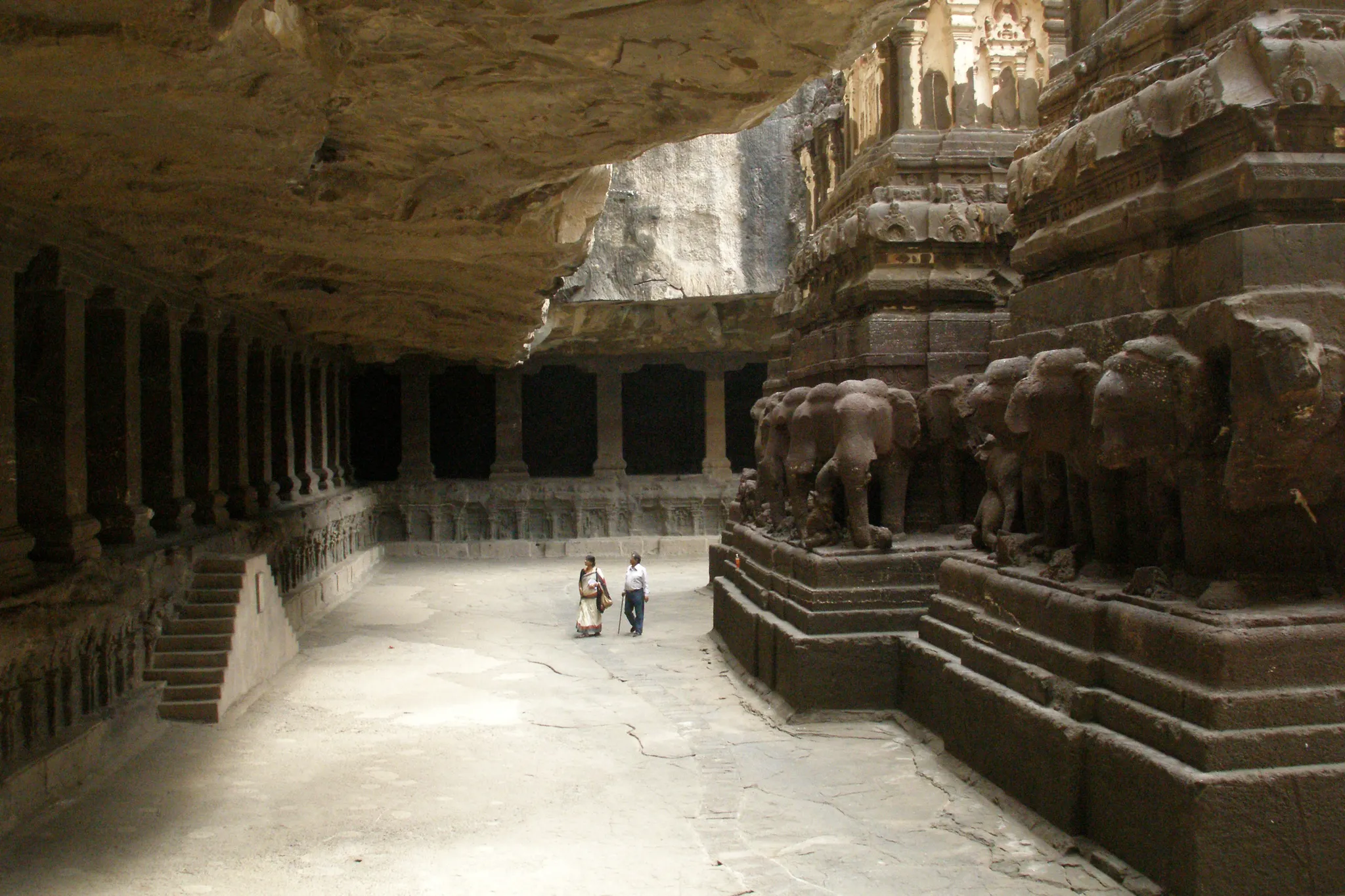
Thirty-four temples carved out of a basalt cliff, including the monolithic Kailasa.
Photo: Vyacheslav Argenberg / CC BY 4.0, via Wikimedia Commons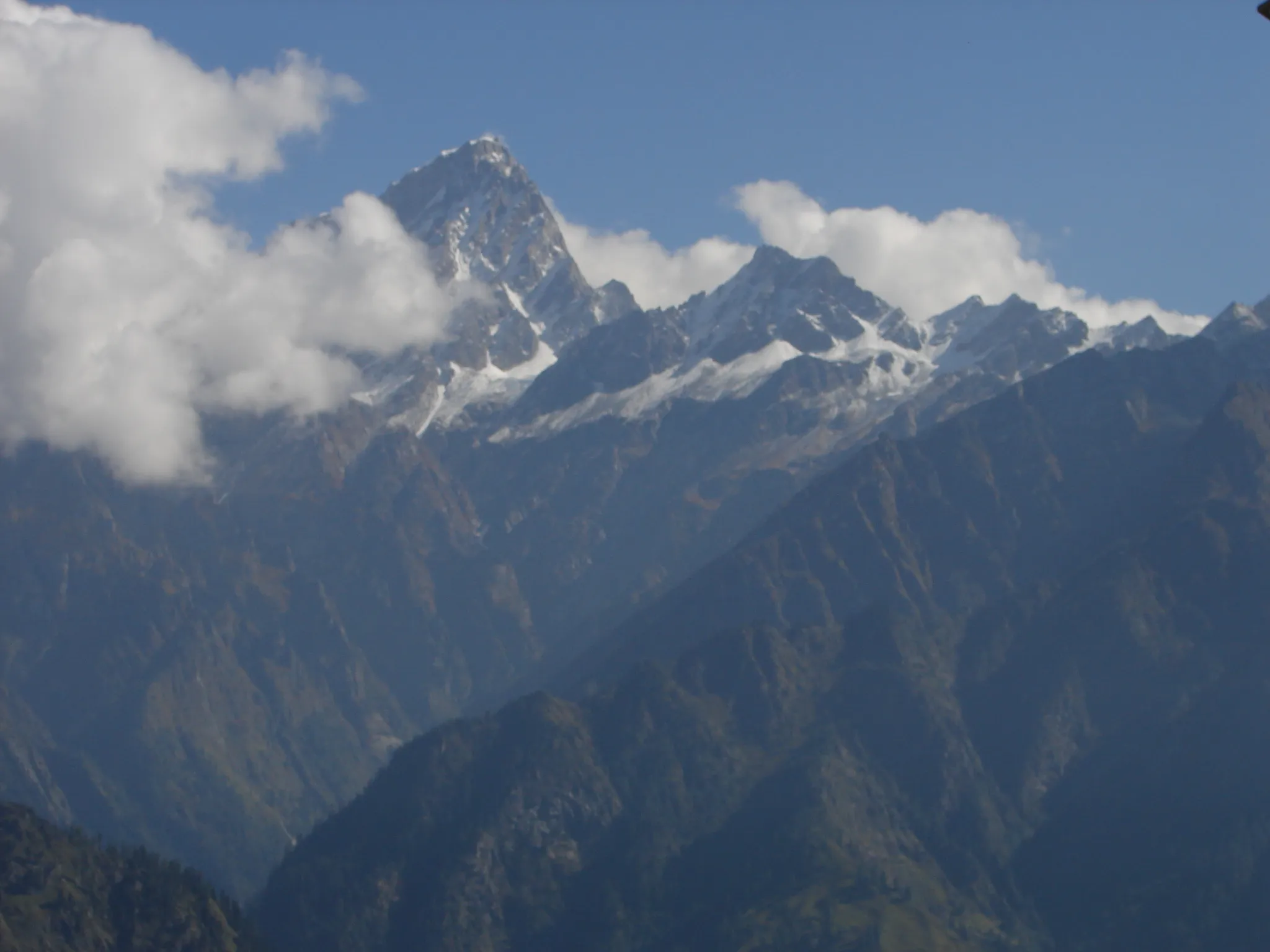
India's highest peak entirely within the country, ringed by a wall of mountains.
Photo: No machine-readable author provided. Amir85~commonswiki assumed (based on copyright claims). / CC BY 2.5, via Wikimedia Commons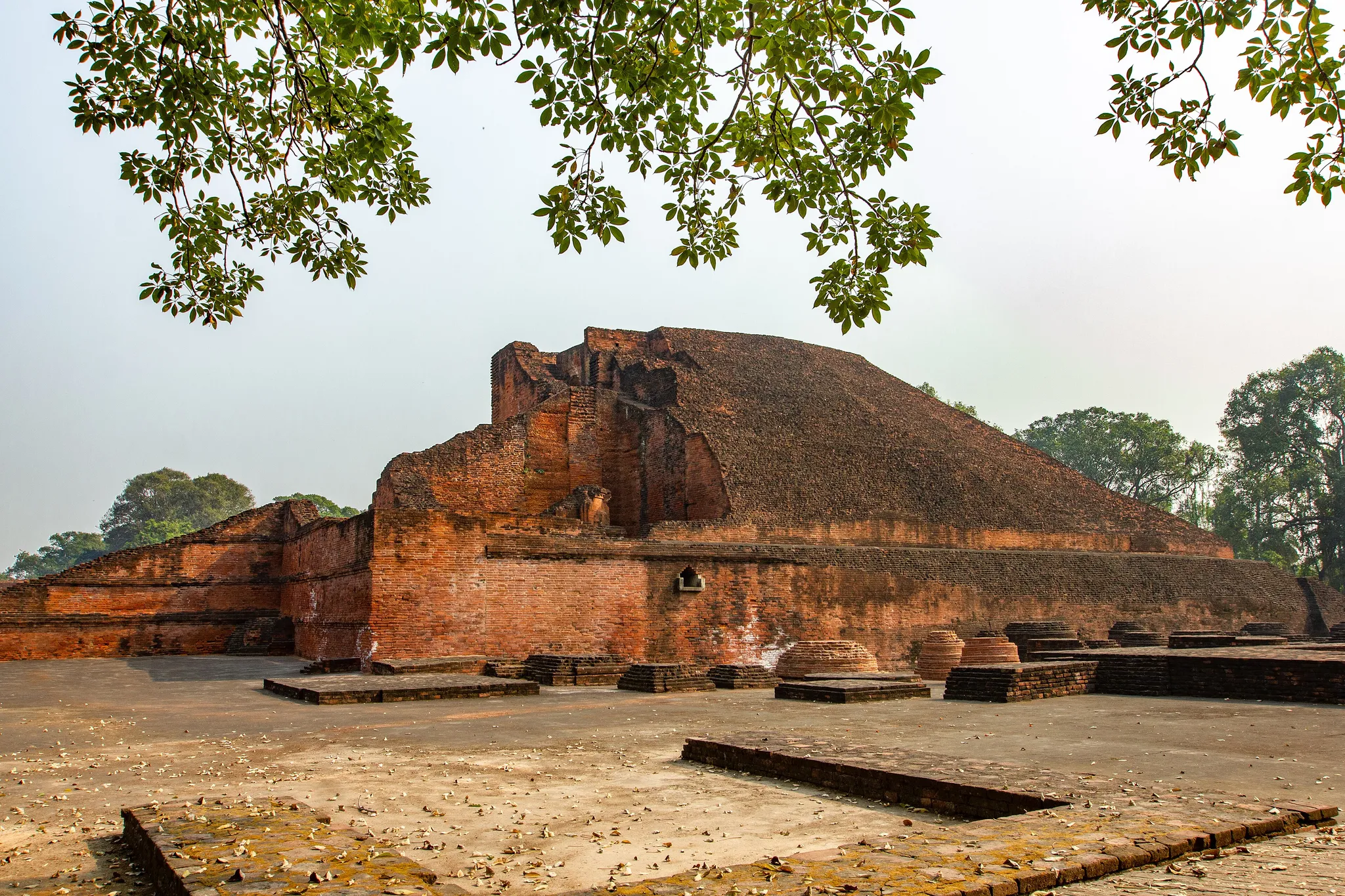
The ruins of a great Buddhist university that taught thousands of students.
Photo: Uphogaphy / CC BY-SA 4.0, via Wikimedia Commons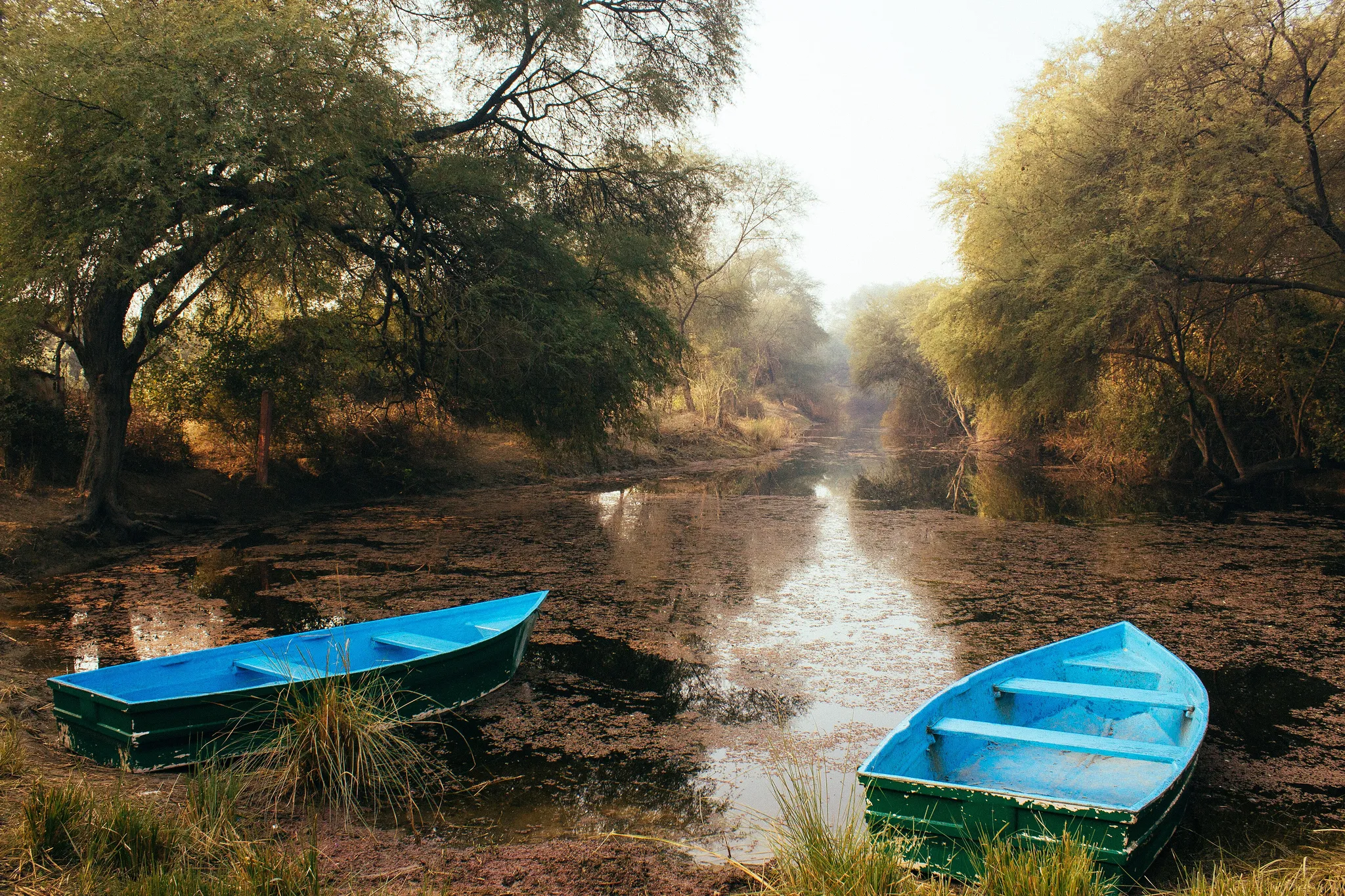
A former duck-hunting marsh, now one of the world's great bird sanctuaries.
Photo: Advay mehta / CC BY-SA 4.0, via Wikimedia Commons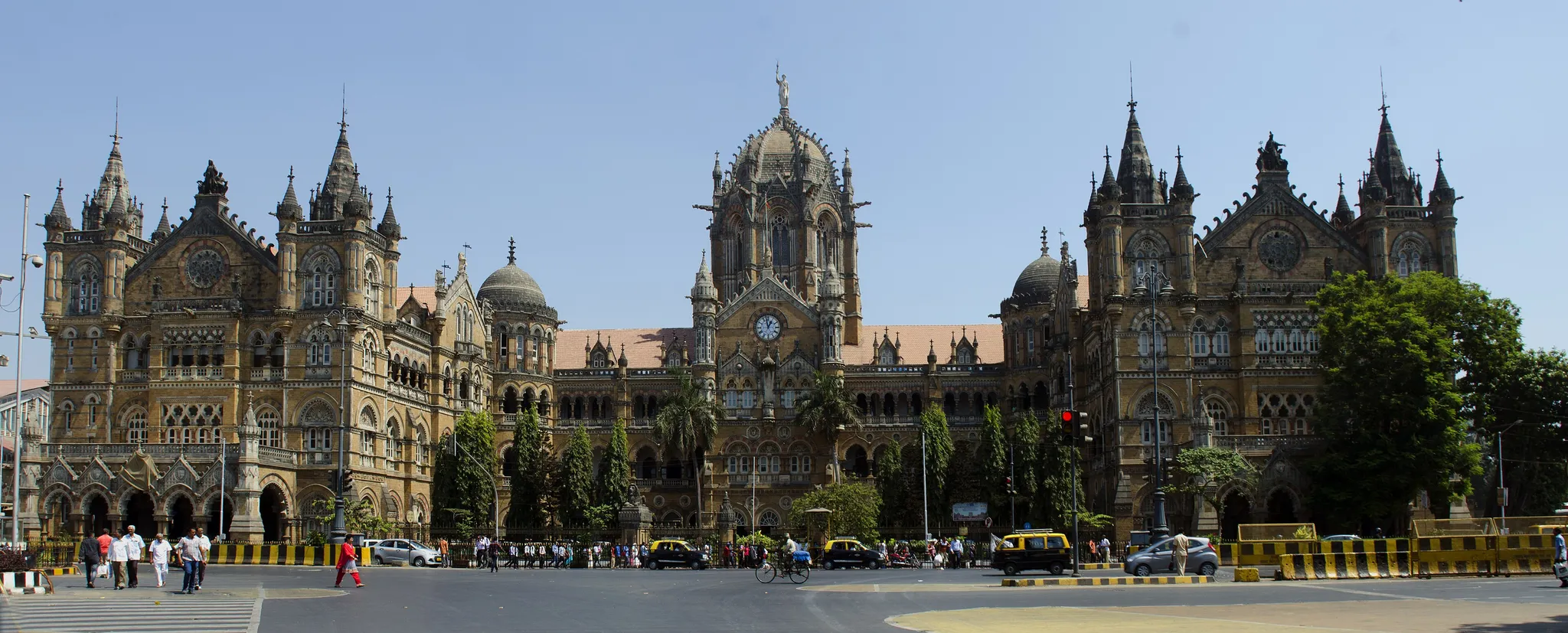
Mumbai's Victorian Gothic railway station, still serving millions of commuters.
Photo: Rangan Datta Wiki / CC BY-SA 4.0, via Wikimedia Commons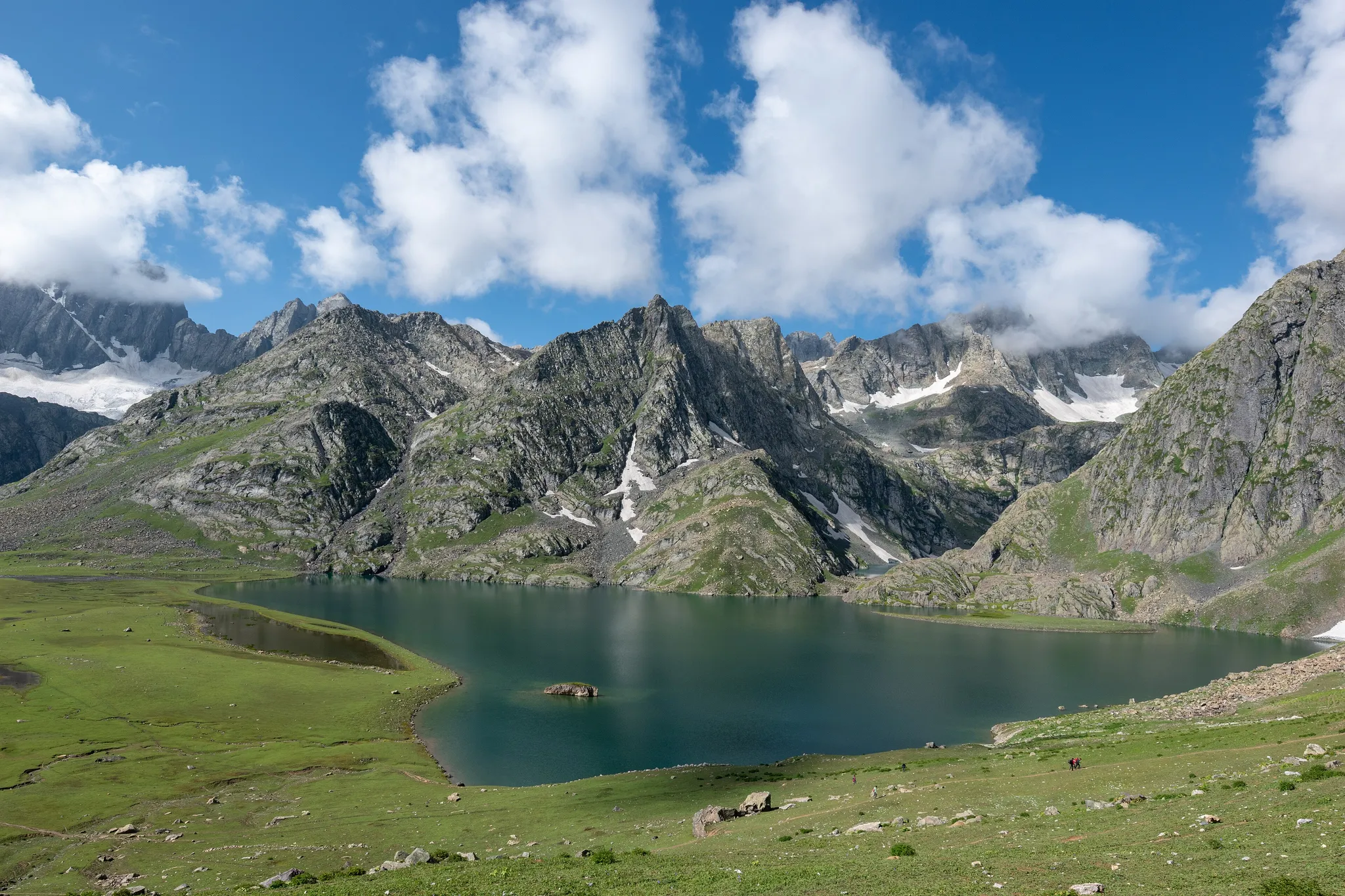
A Himalayan valley of lakes and saffron fields once called paradise on earth.
Photo: Rohit Sharma / CC BY-SA 4.0, via Wikimedia Commons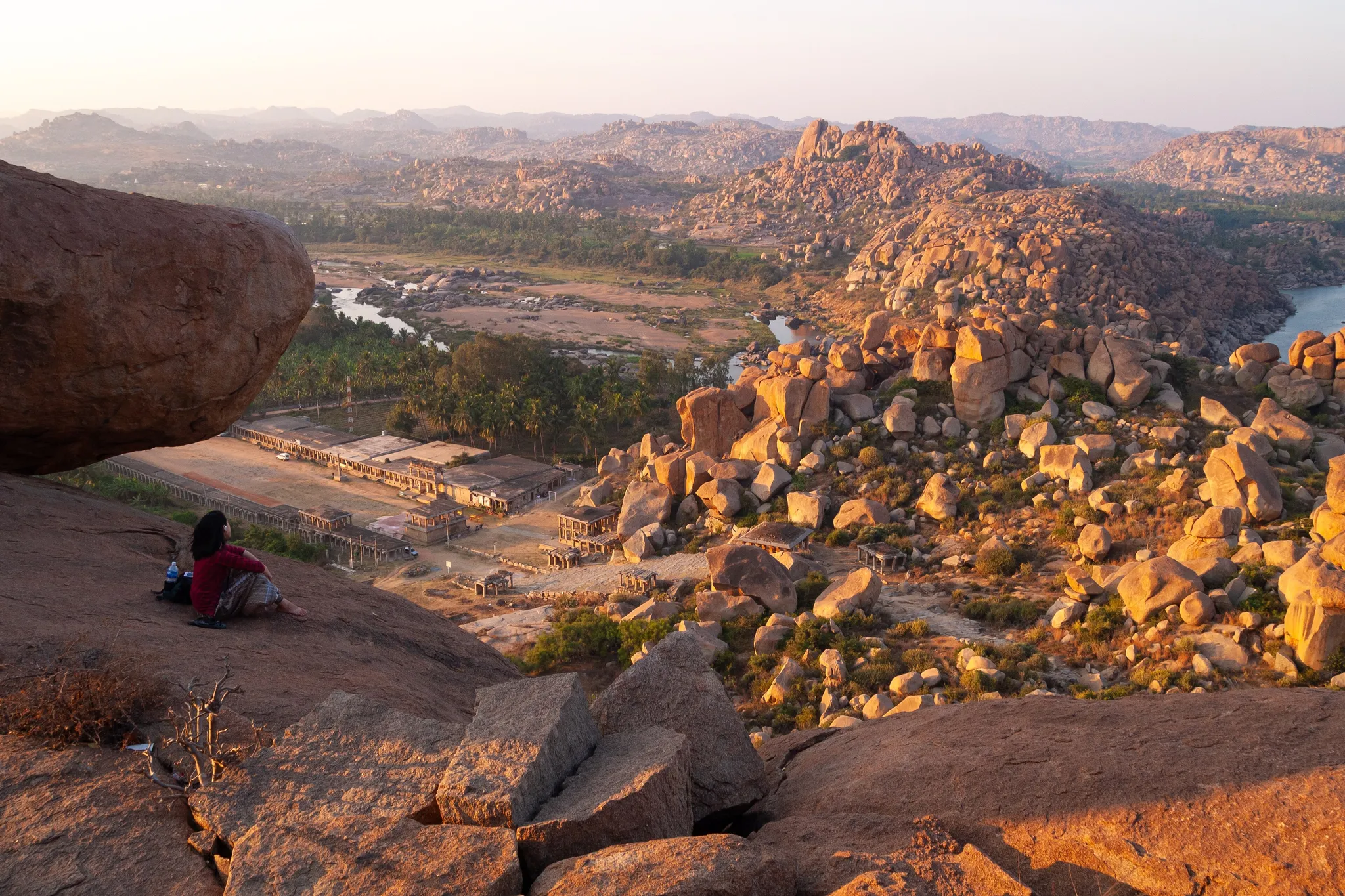
The ruins of Vijayanagara, a 14th-century capital scattered among giant boulders.
Photo: Vyacheslav Argenberg / CC BY 4.0, via Wikimedia Commons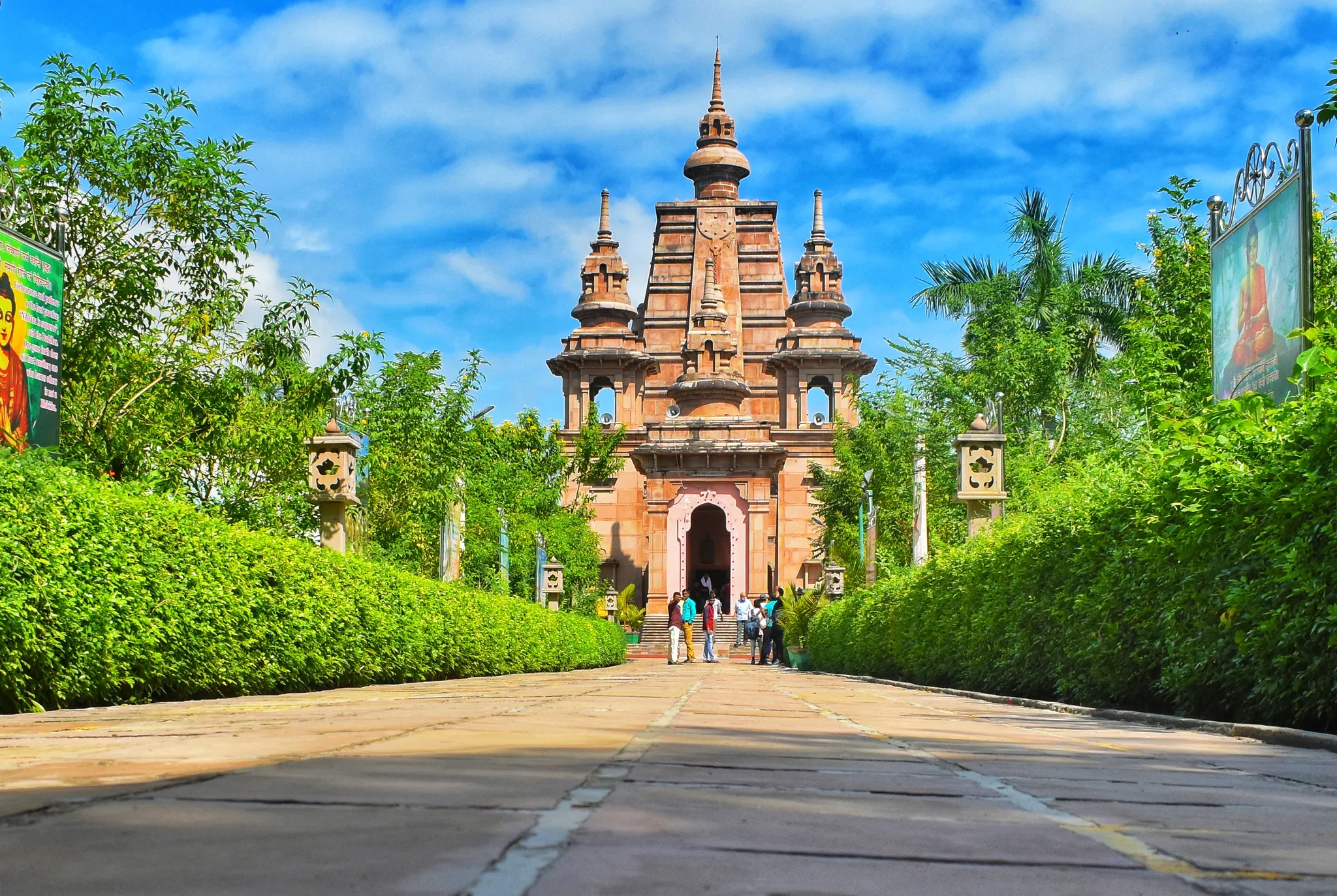
The deer park where the Buddha gave his first sermon, marked by a great stupa.
Photo: Mukut Tapadar / CC BY-SA 4.0, via Wikimedia Commons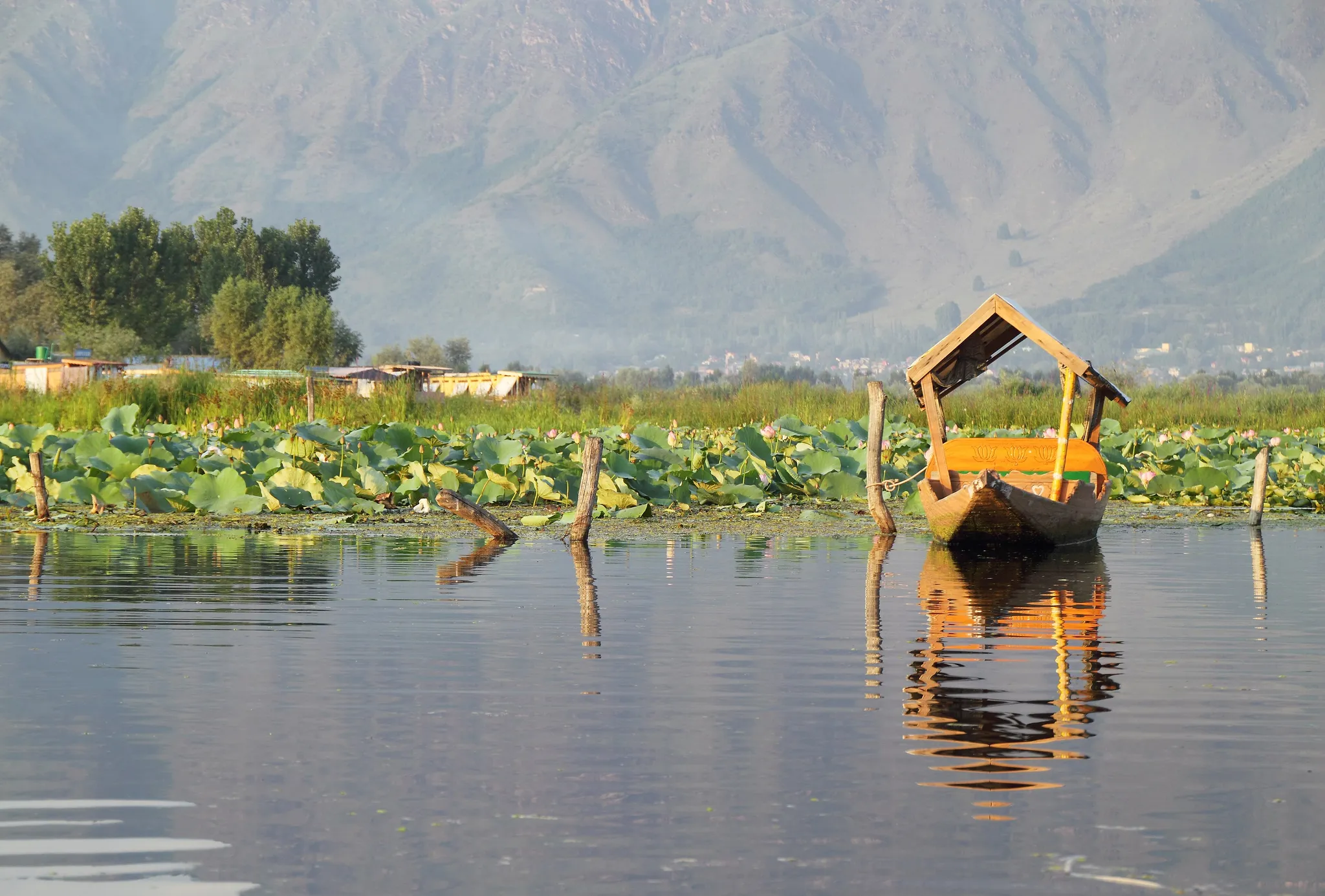
Srinagar's lake of houseboats and floating gardens, the 'Jewel of Kashmir'.
Photo: Fulvio Spada from Torino, Italy / CC BY-SA 2.0, via Wikimedia Commons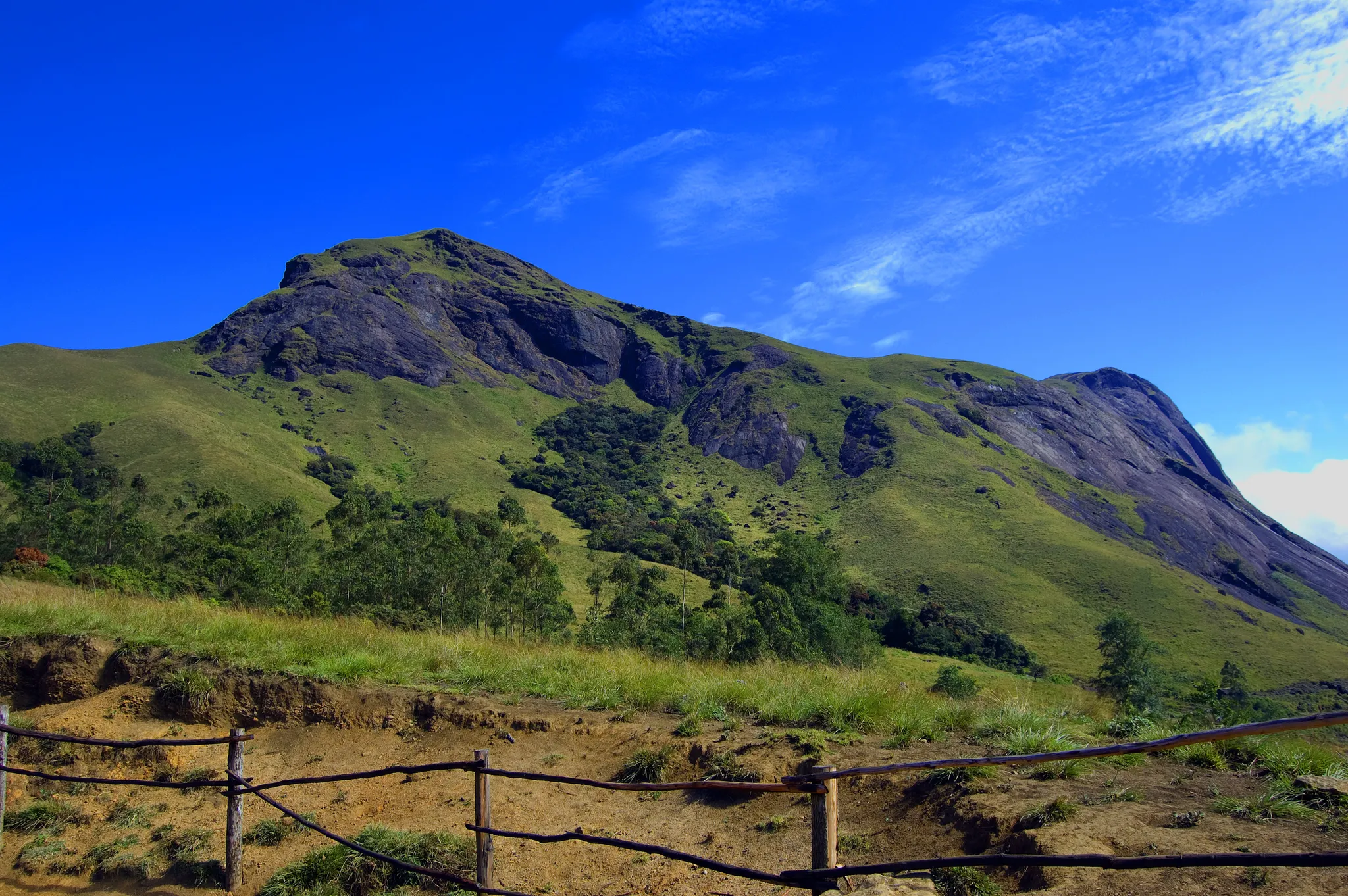
A green mountain chain running 1,600 km along India's west coast.
Photo: Arunguy2002 / CC BY-SA 3.0, via Wikimedia Commons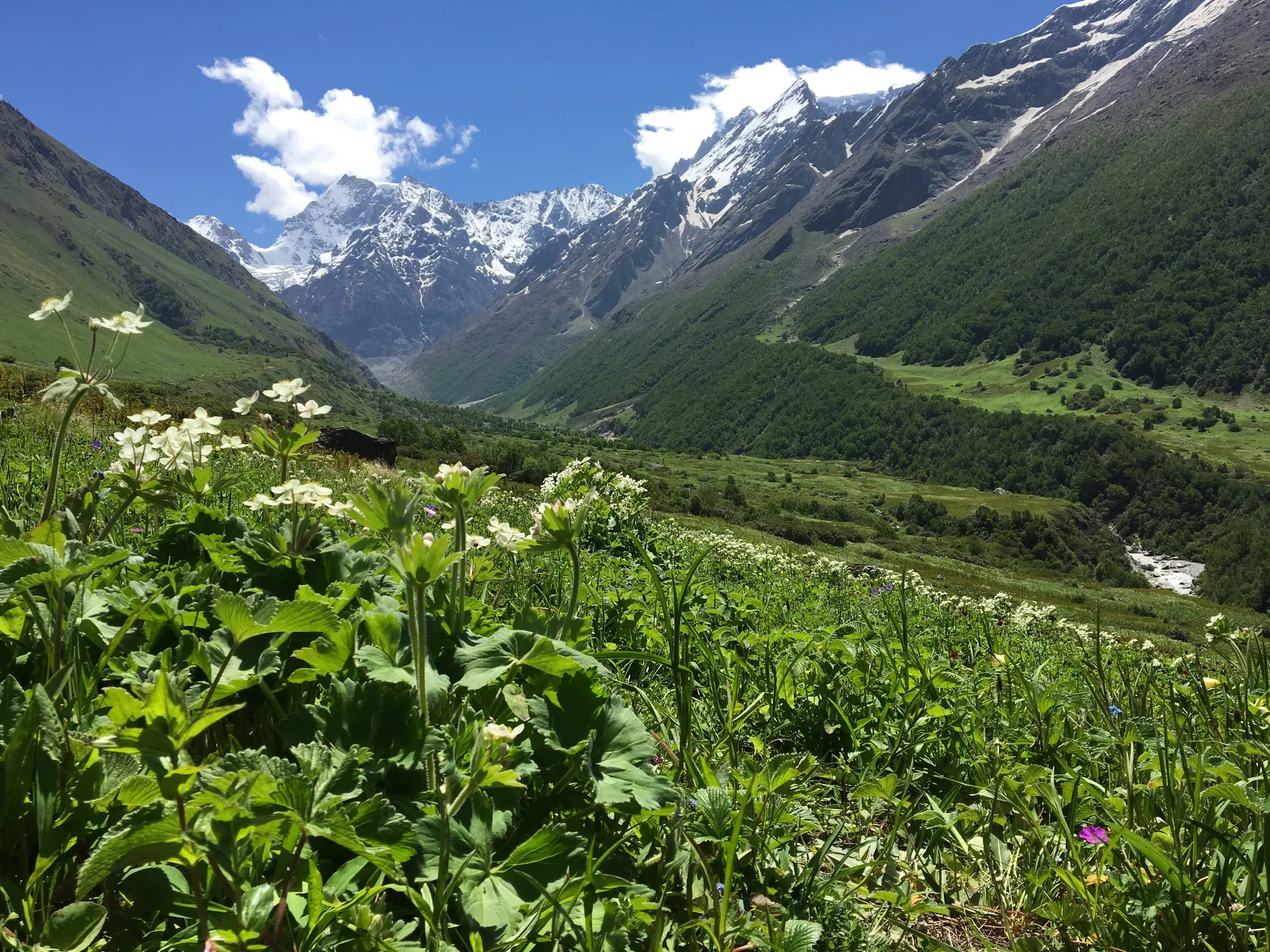
A high Himalayan meadow that bursts into alpine flowers every monsoon.
Photo: Naresh Chandra / CC BY-SA 4.0, via Wikimedia Commons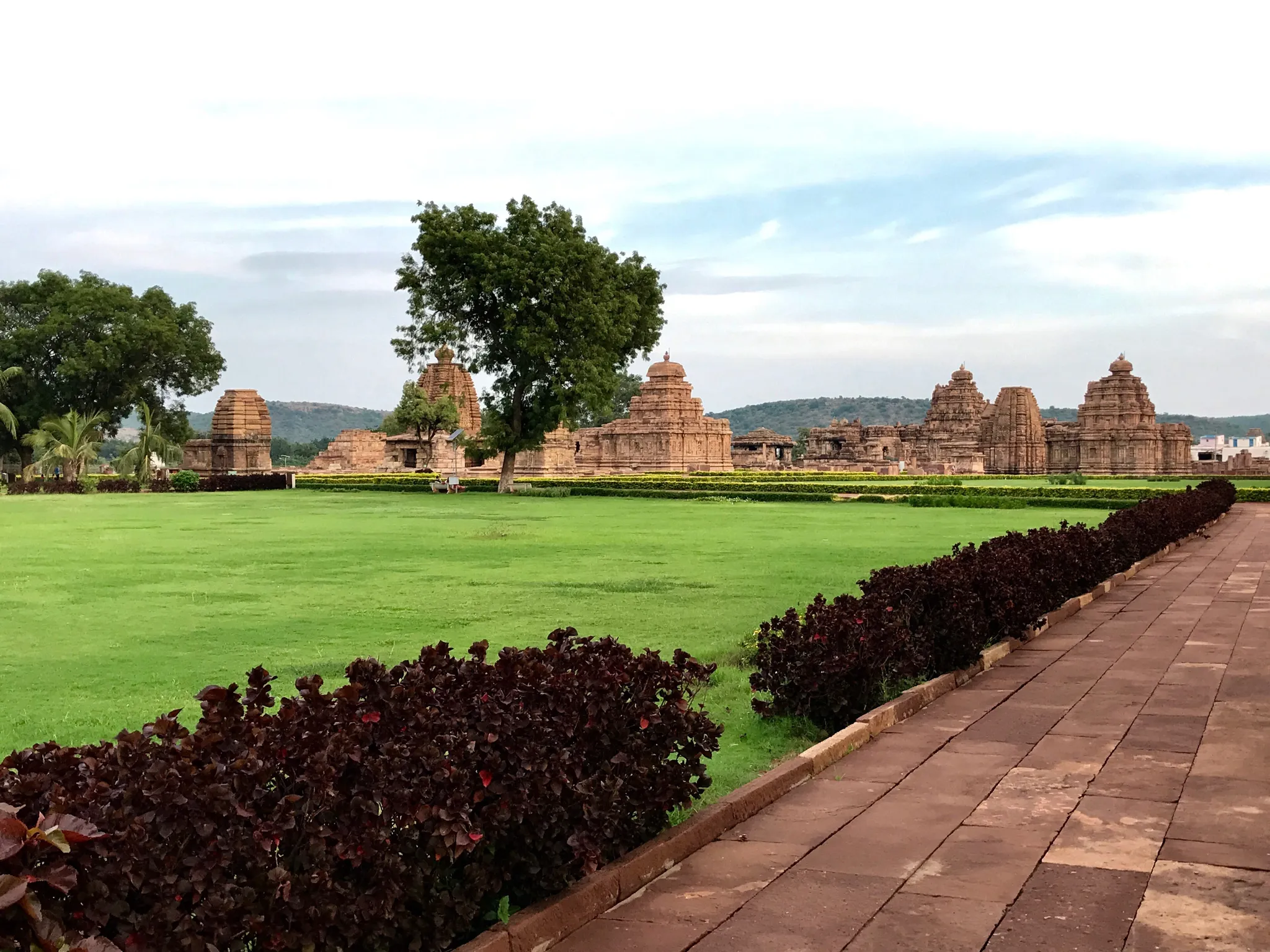
Nine 8th-century temples where northern and southern Indian styles were first mixed.
Photo: Ms Sarah Welch / CC BY-SA 4.0, via Wikimedia Commons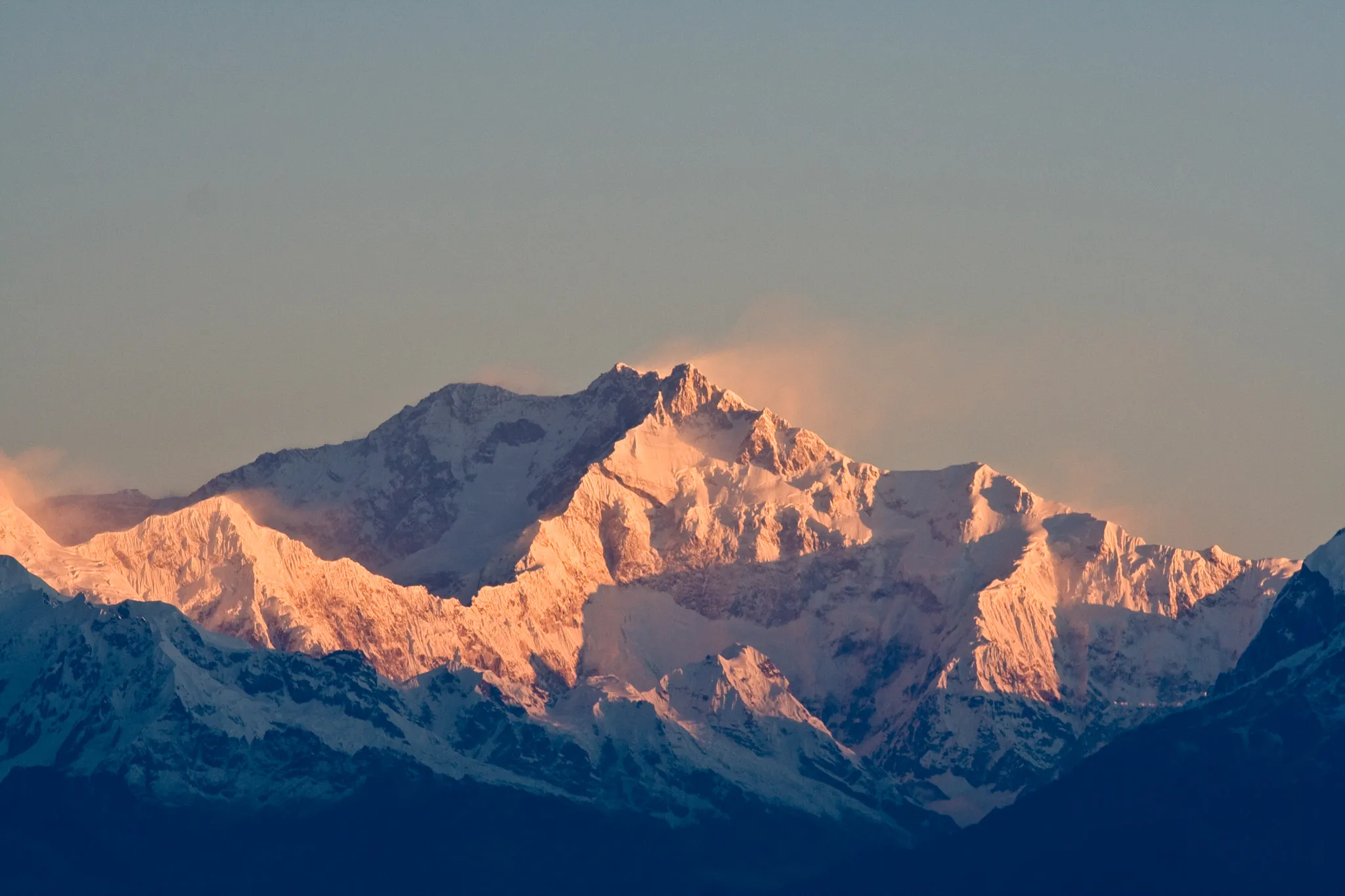
The third highest mountain in the world, straddling Nepal and India.
Photo: Aaron Ostrovsky / CC BY-SA 2.0, via Wikimedia Commons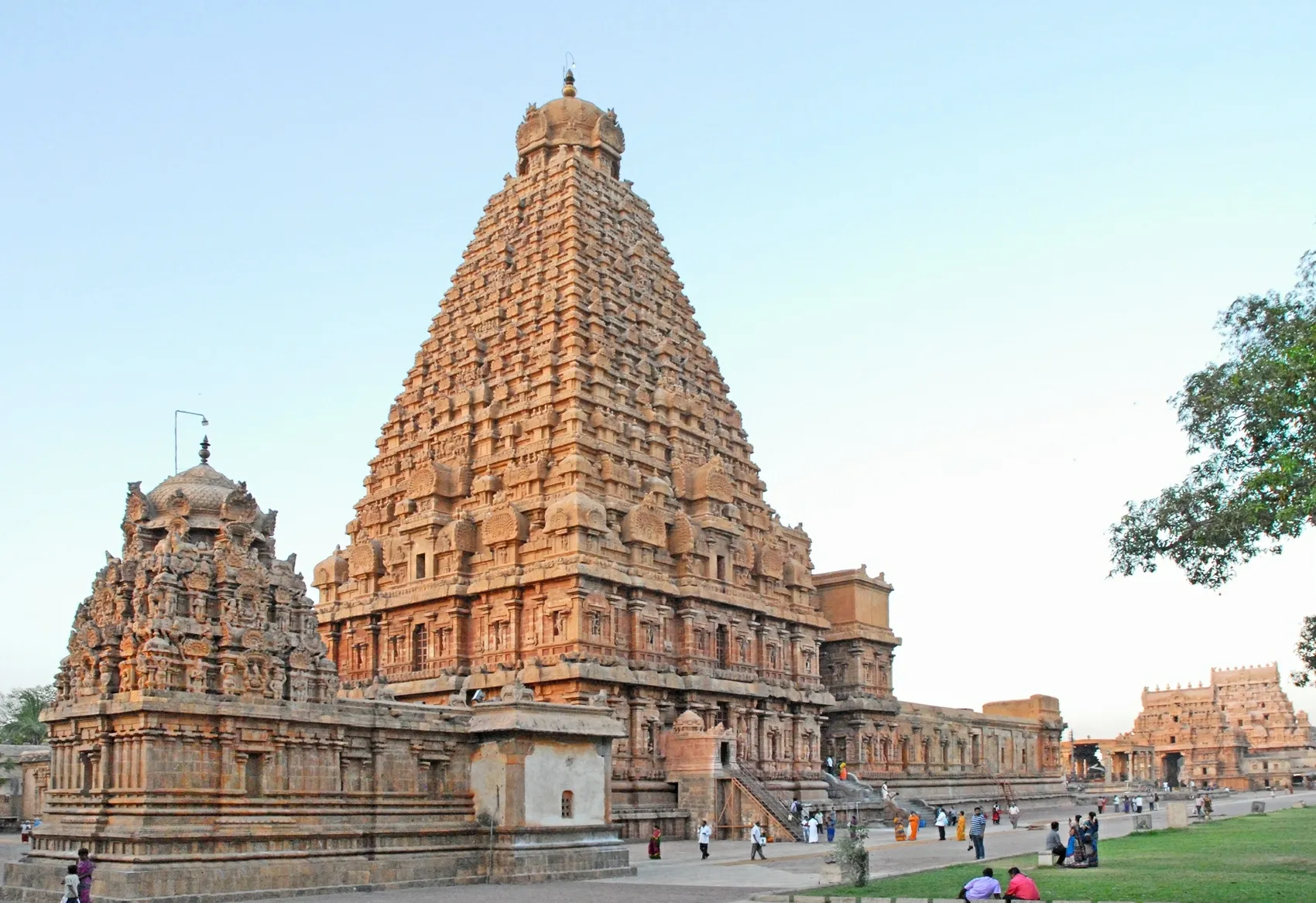
A Chola temple whose 66-metre tower is capped by a single 80-tonne stone.
Photo: Jean-Pierre Dalbéra from Paris, France / CC BY 2.0, via Wikimedia Commons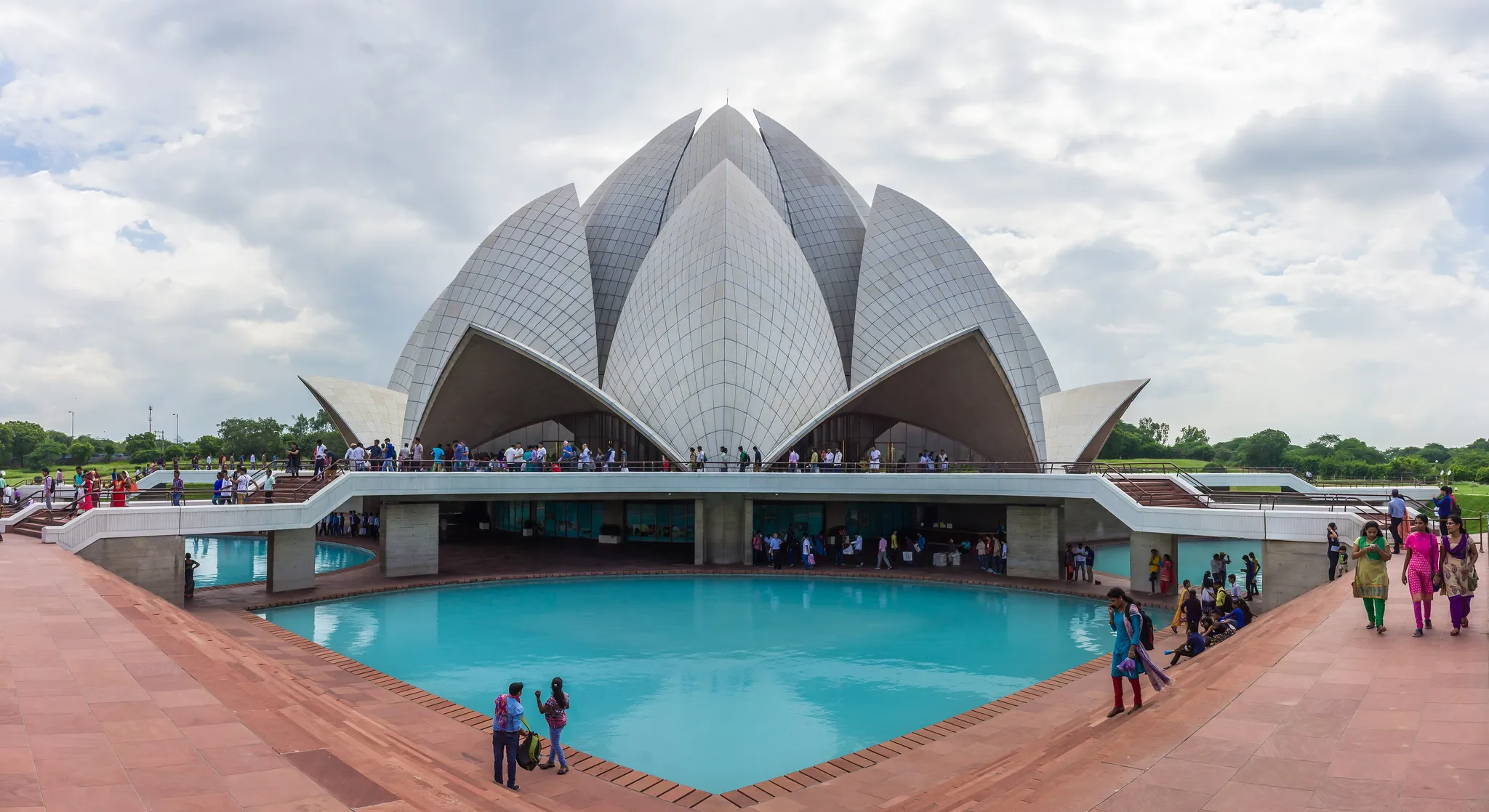
A Bahá'í temple of 27 marble petals shaped like a lotus flower.
Photo: Bijay chaurasia / CC BY-SA 4.0, via Wikimedia Commons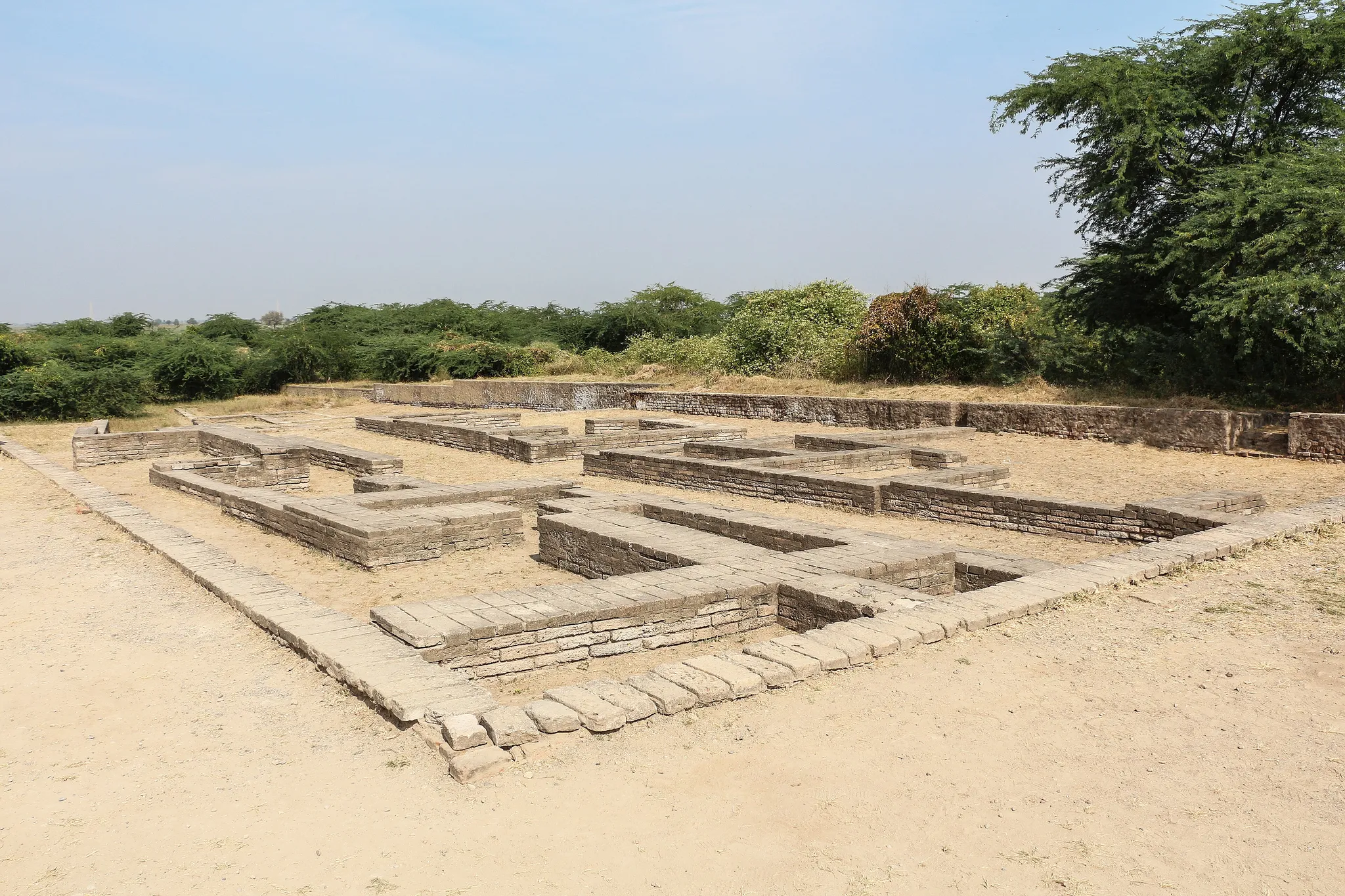
An Indus Valley port with the world's earliest known dockyard.
Photo: Bernard Gagnon / CC BY-SA 3.0, via Wikimedia Commons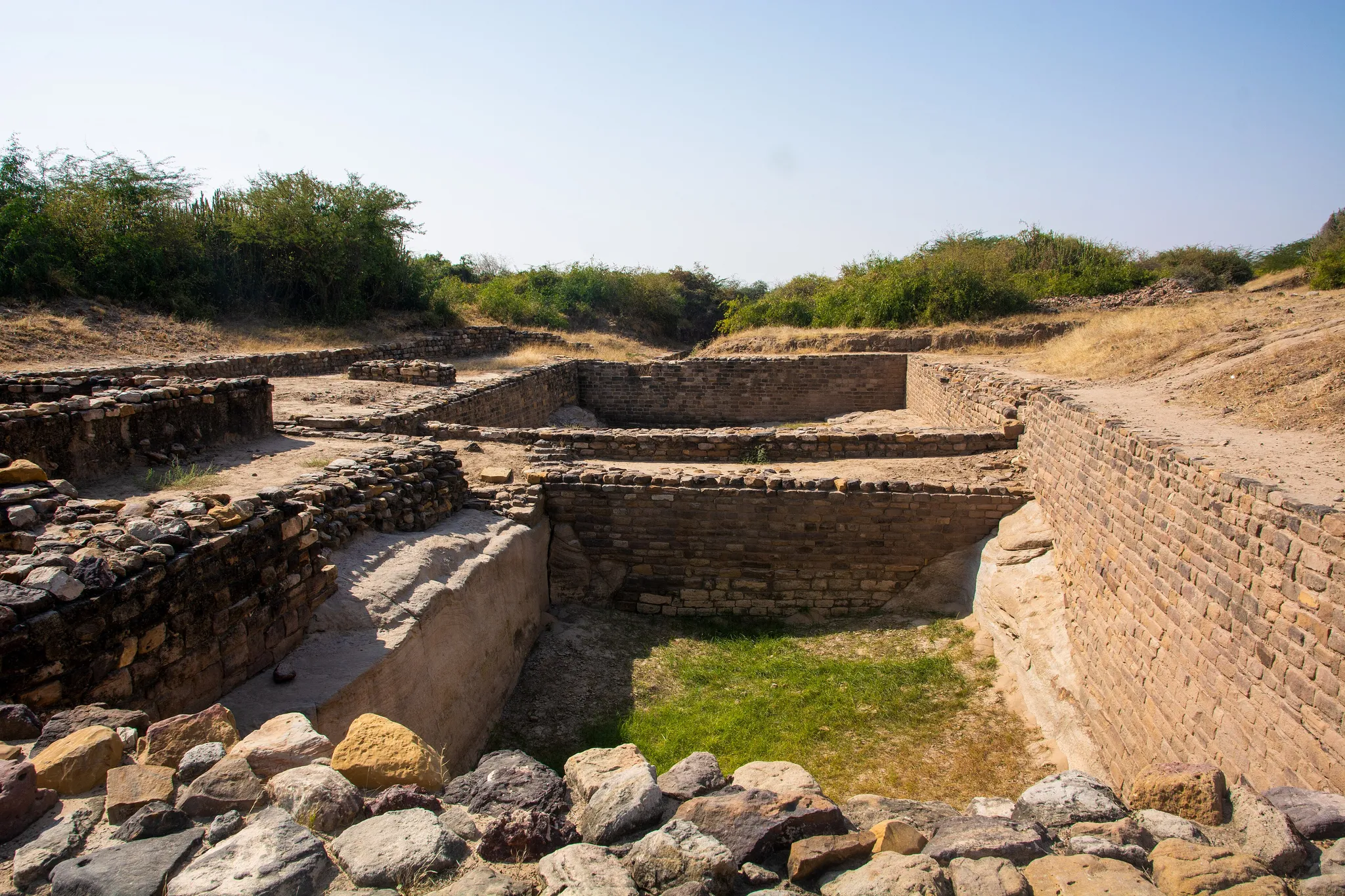
A 5,000-year-old Indus city on a salt-marsh island, with vast stone reservoirs.
Photo: Bhuppigraphy / CC BY-SA 4.0, via Wikimedia CommonsHow to place them
Rajasthan and the Mughal north are half the set. Agra has the Taj Mahal, with Fatehpur Sikri 40 km west and the Keoladeo bird sanctuary 15 km beyond it at Bharatpur; Jaipur has the Hawa Mahal and Amber Fort; the Hill Forts and the Thar Desert stretch west from there to the Pakistan border. Delhi's Lotus Temple is 170 km north-west of Agra. Varanasi's ghats and Sarnath are one pin on the Ganges, 8 km apart; Nalanda is 240 km further east.
The Himalaya runs along the top. The Kashmir Valley and Dal Lake are the same pin at Srinagar; Pangong Lake is 350 km east of them in Ladakh, on the Chinese border; Nanda Devi and the Valley of Flowers are Uttarakhand, 400 km south of Pangong; Kanchenjunga is the far end, on the Nepal border, the easternmost place in the set. Amritsar's Golden Temple is the northern plain, right by Pakistan.
The south has fewer places and they are far apart: Ellora's caves and Pune in Maharashtra, Hyderabad's Charminar, Hampi and Pattadakal in Karnataka 100 km apart, then Thanjavur's temple and the Meenakshi at Madurai in Tamil Nadu, with the Western Ghats running down the coast beside them. Lothal and Dholavira are the two Indus cities in Gujarat, 250 km apart on the west coast.
India is one country. The daily draws from all 167.
Play the daily in the appQuestions & answers
How many India photos does the game have?
30. The northernmost is Dal Lake, the southernmost Meenakshi Temple; each round on this page picks five.
What is the hardest India round?
Pangong Lake, Ladakh is alone at hard; hard photos lose half their points for every 451 km outside the radius.
Where is full marks easiest in India?
Thar Desert, with a 150 km radius. Land anywhere inside it and the round pays 5,000.