Photo location game · Europe
Italy landmarks quiz: guess where 42 photos were taken
Every place in Italy that is in the game, 42 in all, with a photo, a short fact and its spot on the map. The round at the top uses five of them.
★ 4.7 on Google Play· 60 ratings· 1000+ downloads· Free
Five of the 42 places, one at a time. Put a pin where you think each photo was taken.
Tap the map where you think this is
Where they are
42 on the mapAll 42 places
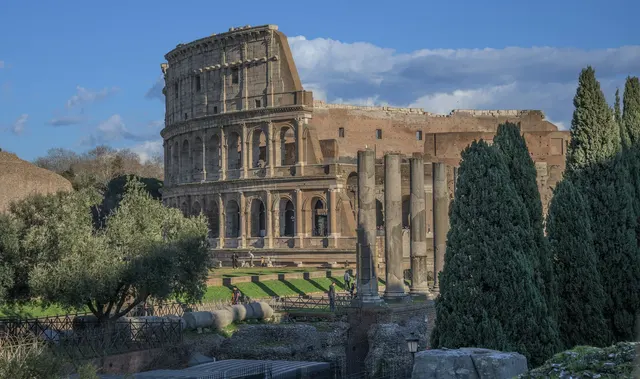
The largest amphitheatre ever built, in the heart of Rome.
Photo: Wilfredor / CC0, via Wikimedia Commons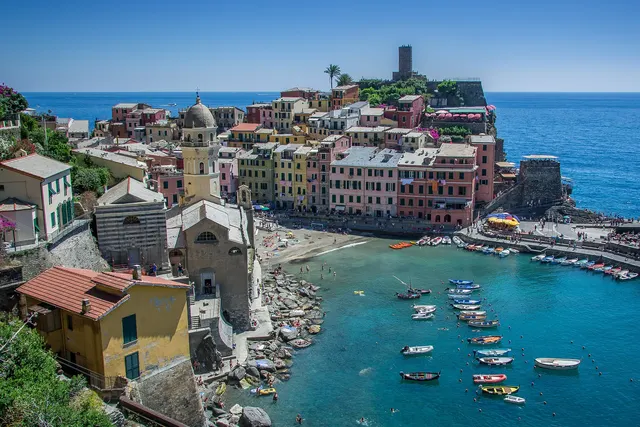
Pastel houses stacked above a tiny harbour on the Ligurian coast.
Photo: kuhnmi / CC BY 2.0, via Wikimedia Commons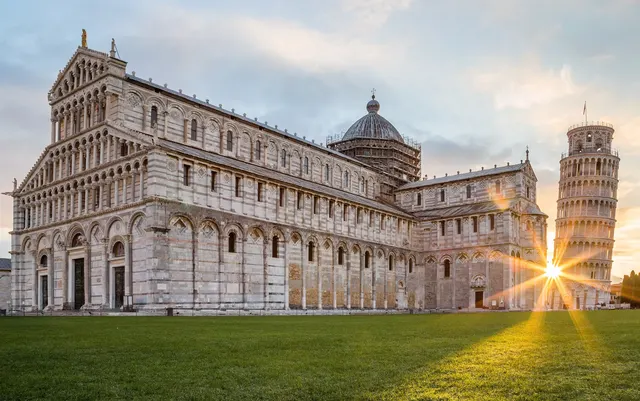
The freestanding bell tower that famously tilts on soft ground.
Photo: MHoser / CC BY-SA 4.0, via Wikimedia Commons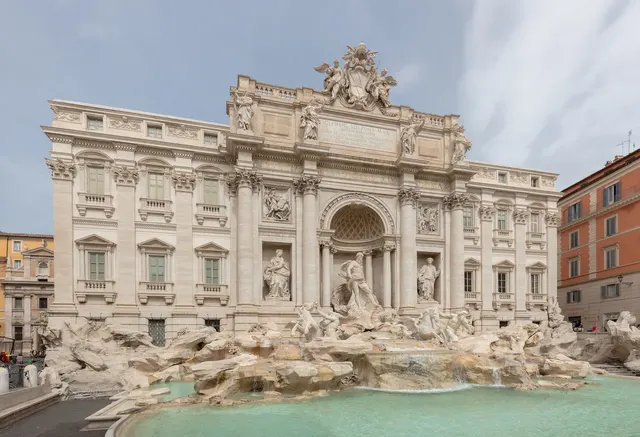
The Baroque fountain where visitors toss coins for luck.
Photo: Diego Delso / CC BY-SA 4.0, via Wikimedia Commons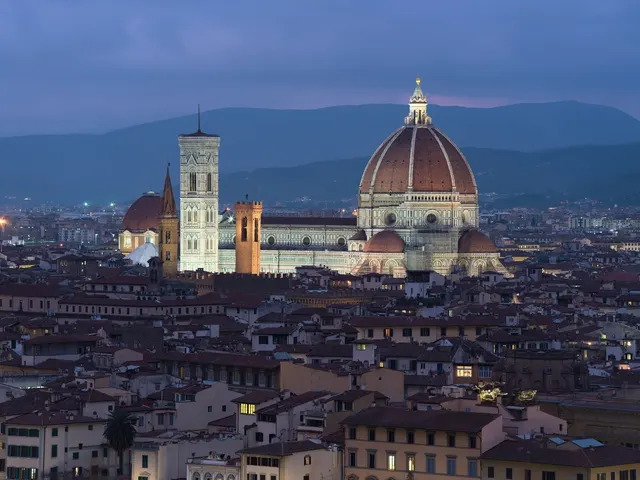
Brunelleschi's terracotta dome over the Tuscan city.
Photo: Dllu / CC BY-SA 4.0, via Wikimedia Commons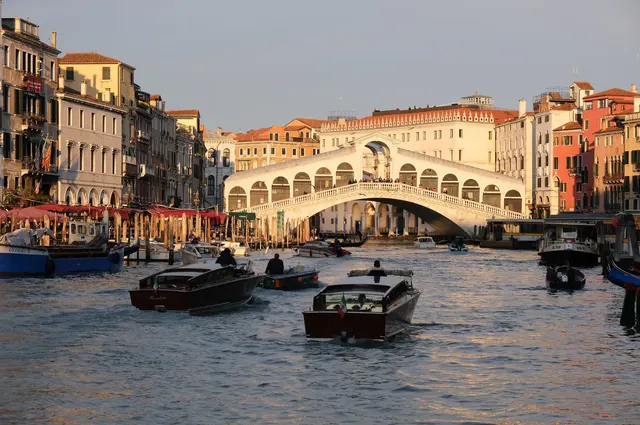
The main waterway winding past palazzi and gondolas.
Photo: kallerna / CC BY-SA 4.0, via Wikimedia Commons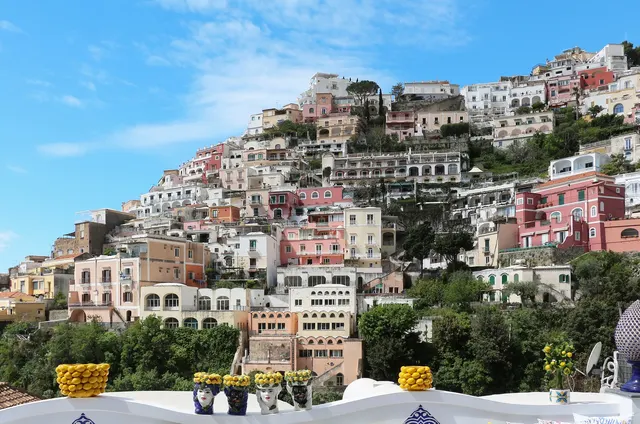
Pastel houses cascading down a cliff to the Tyrrhenian Sea.
Photo: Bernard Gagnon / CC BY 4.0, via Wikimedia Commons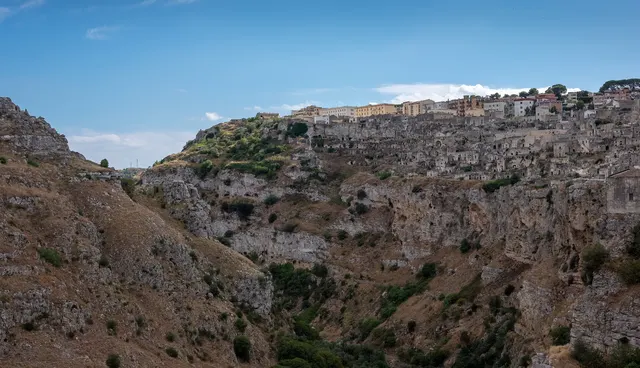
Ancient cave dwellings, the Sassi, carved into a ravine.
Photo: Jules Verne Times Two / CC BY-SA 4.0, via Wikimedia Commons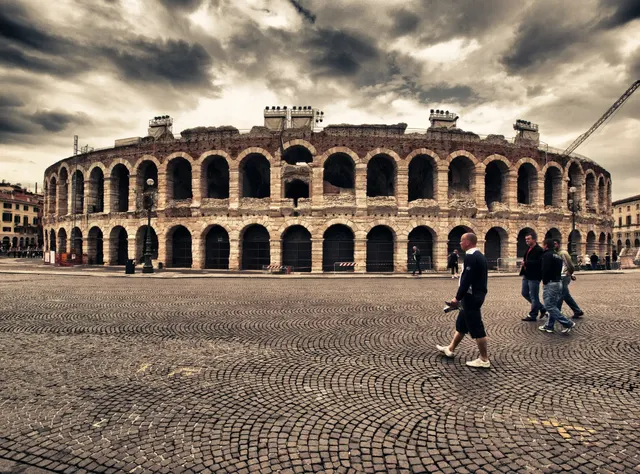
A Roman amphitheatre still used for open-air opera.
Photo: Kevin Poh / CC BY 2.0, via Wikimedia Commons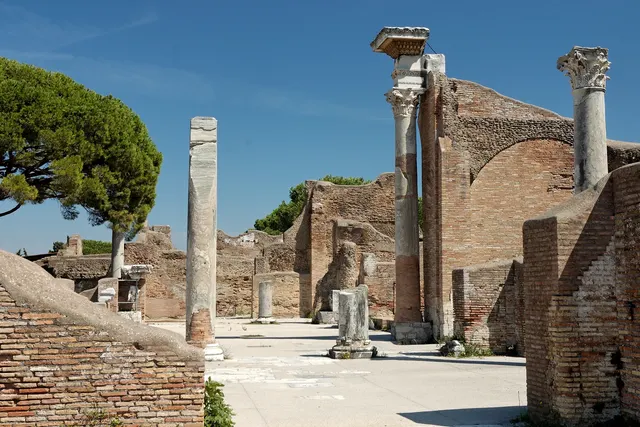
The ancient harbour city of Rome, its streets and warehouses still standing.
Photo: Marie-Lan Nguyen (User:Jastrow) / CC BY 2.5, via Wikimedia Commons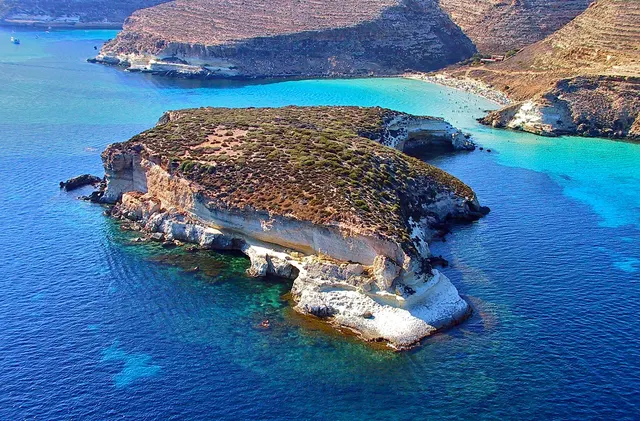
Italy's southernmost island, closer to Africa than to Sicily, with the Rabbit Beach lagoon.
Photo: Luca Siragusa / CC BY 2.0, via Wikimedia Commons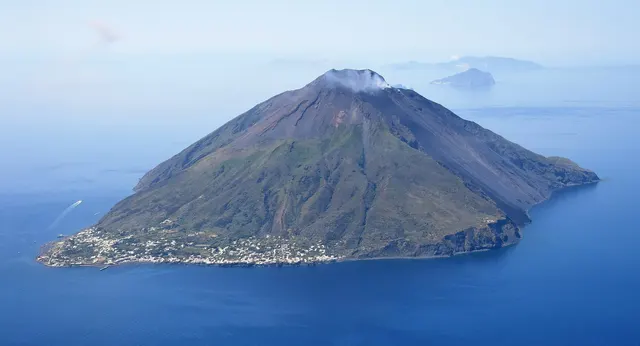
A volcanic island that has erupted almost continuously for over 2,000 years.
Photo: Carsten Steger / CC BY-SA 4.0, via Wikimedia Commons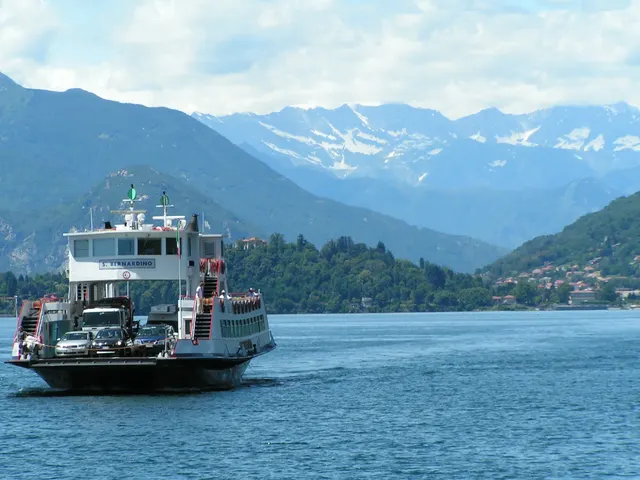
A long Alpine lake shared by Italy and Switzerland, dotted with palm-fringed islands.
Photo: Corradox / CC BY-SA 3.0, via Wikimedia Commons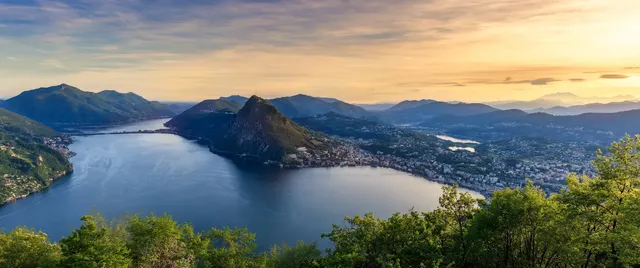
A glacial lake on the Italian-Swiss border, with Monte San Salvatore above Lugano.
Photo: Samuel Ferrara / CC BY-SA 4.0, via Wikimedia Commons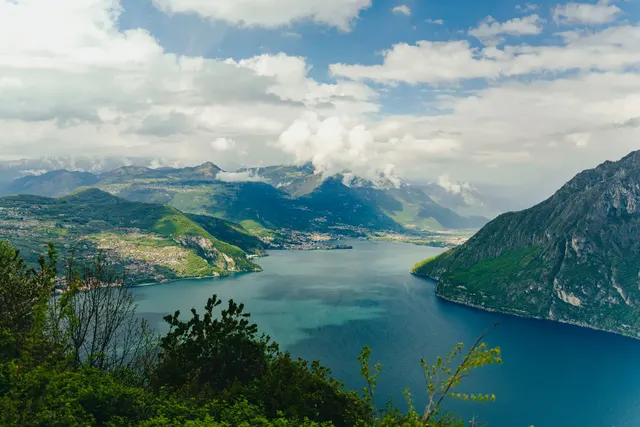
A Lombardy lake with Monte Isola, the largest lake island in southern Europe.
Photo: DawidTkocz / CC BY 4.0, via Wikimedia Commons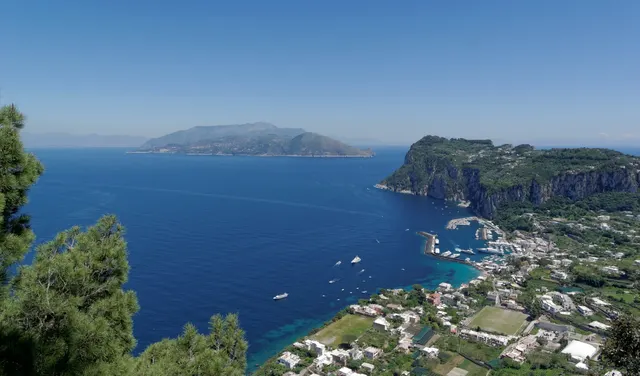
The island of the Blue Grotto and the Faraglioni rocks, playground of emperors and film stars.
Photo: Berthold Werner / CC BY-SA 3.0, via Wikimedia Commons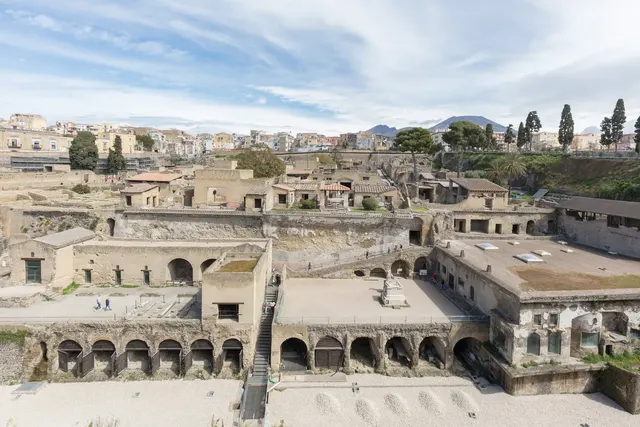
A Roman town buried by Vesuvius in AD 79, its wooden beams still preserved.
Photo: Diego Delso / CC BY-SA 4.0, via Wikimedia Commons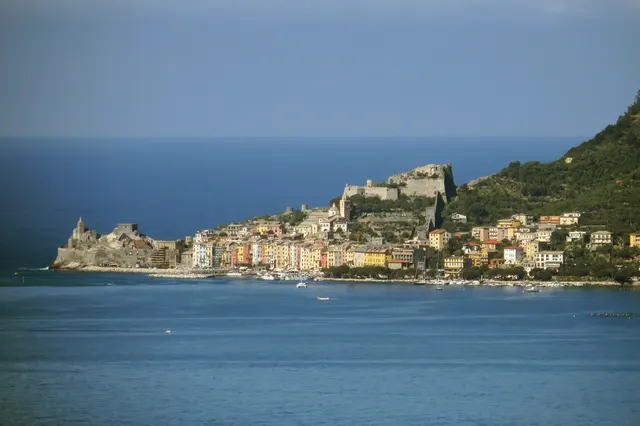
A pastel fishing village on the Ligurian coast next to the Cinque Terre.
Photo: Aconcagua (talk) / CC BY-SA 3.0, via Wikimedia Commons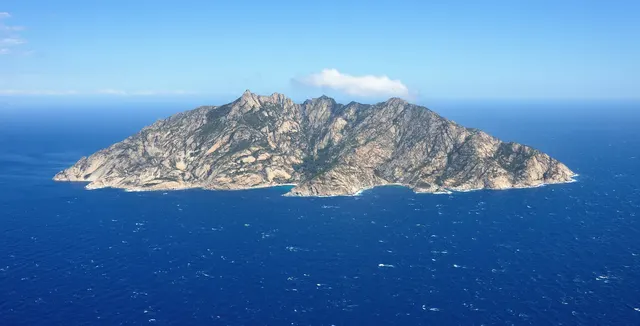
A wild granite island in the Tuscan archipelago, the treasure island of Dumas's Count.
Photo: Carsten Steger / CC BY-SA 4.0, via Wikimedia Commons
The Aeolian island that gave the word 'volcano' to every language.
Photo: Bernard Gagnon / CC BY 4.0, via Wikimedia Commons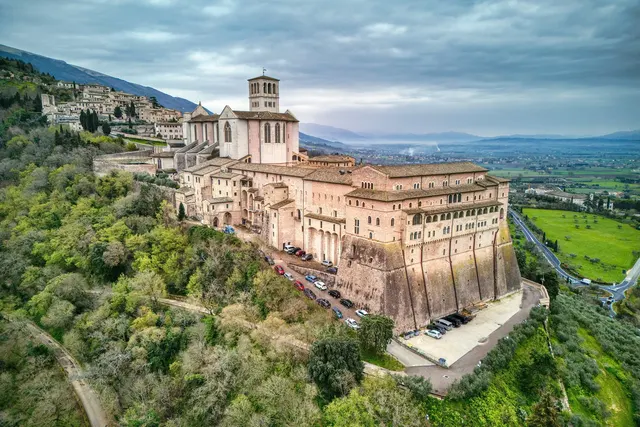
The twin-level basilica over the tomb of St Francis, painted by Giotto.
Photo: Hagai Agmon-Snir حچاي اچمون-سنير חגי אגמון-שניר / CC BY-SA 4.0, via Wikimedia Commons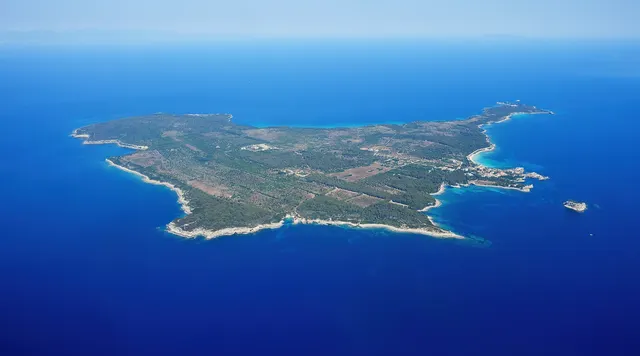
A flat Tuscan island that served as a prison for over a century.
Photo: Carsten Steger / CC BY-SA 4.0, via Wikimedia Commons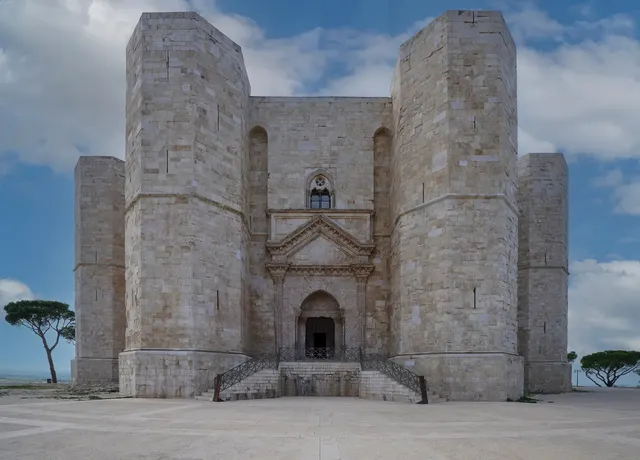
A perfectly octagonal 13th-century castle with an octagonal tower at each corner.
Photo: ParisTaras / CC BY-SA 4.0, via Wikimedia Commons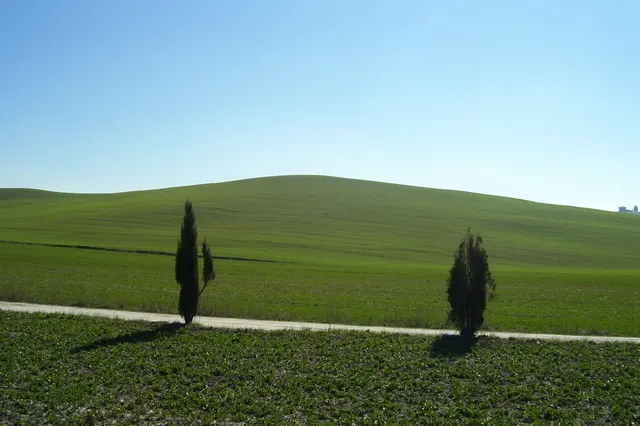
Tuscany's rolling hills of cypresses and wheat, the postcard countryside of Italy.
Photo: Stefanoacetelli / CC BY-SA 3.0, via Wikimedia Commons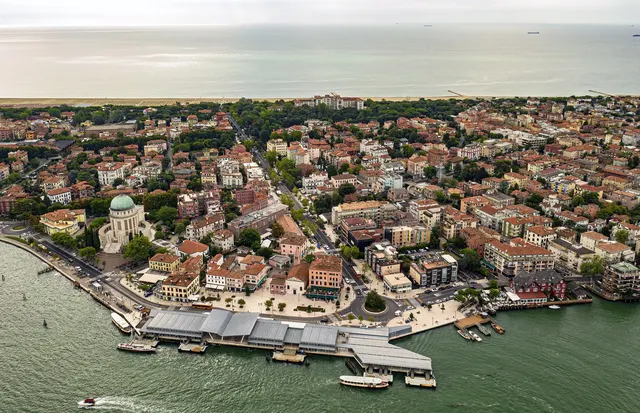
The 11-km barrier island of Venice, home of the film festival.
Photo: Kasa Fue / CC BY-SA 4.0, via Wikimedia Commons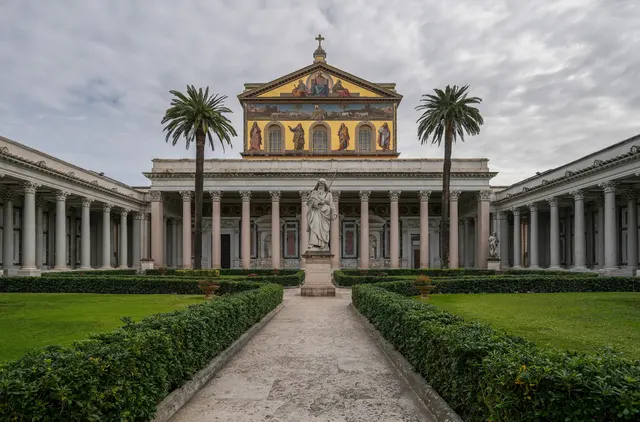
One of Rome's four papal basilicas, built over the tomb of the Apostle Paul.
Photo: StPaul.jpg / CC BY 4.0, via Wikimedia Commons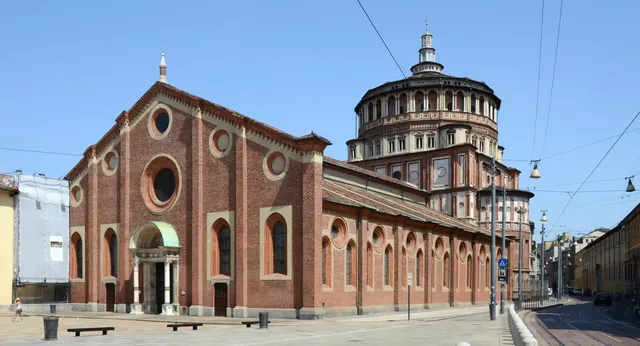
The Milan church whose refectory holds Leonardo's Last Supper.
Photo: Marcin Białek / CC BY-SA 3.0, via Wikimedia Commons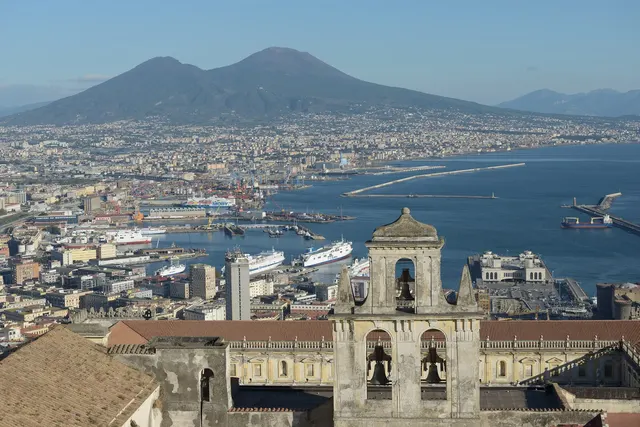
The city of pizza, sprawling around its bay beneath Vesuvius.
Photo: Wolfgang Moroder / CC BY-SA 3.0, via Wikimedia Commons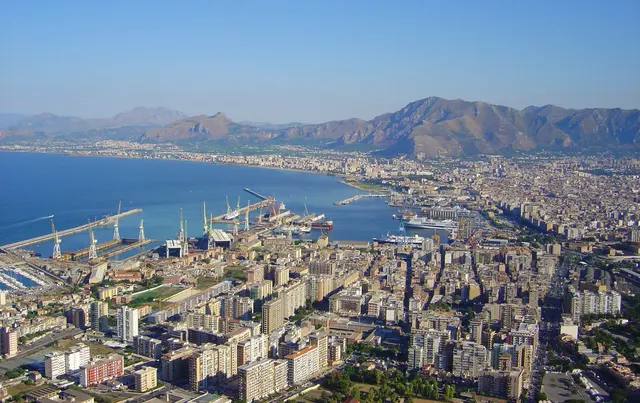
Sicily's capital, a mix of Arab, Norman and baroque in a bay under Monte Pellegrino.
Photo: Xerones / CC BY 2.0, via Wikimedia Commons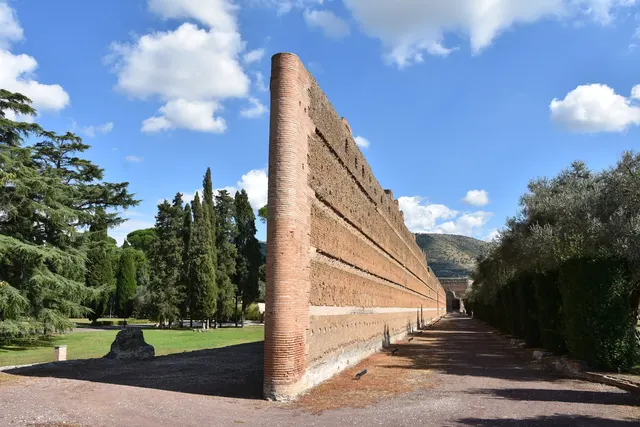
The vast country retreat Emperor Hadrian built with pools and pavilions at Tivoli.
Photo: Patrik Kunec / CC BY-SA 4.0, via Wikimedia Commons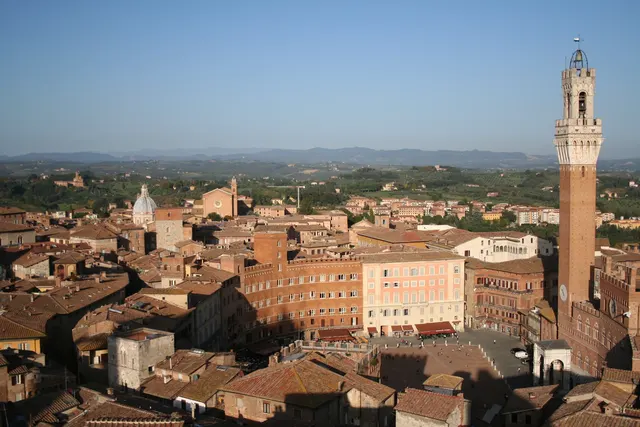
A medieval Tuscan city built around the shell-shaped Piazza del Campo.
Photo: Massimo Catarinella / CC BY-SA 3.0, via Wikimedia Commons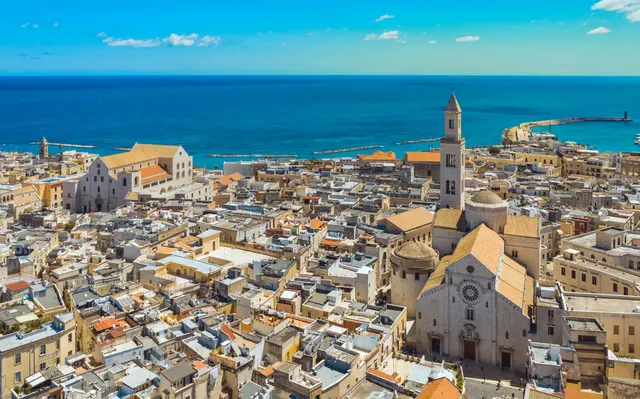
The Adriatic port whose basilica holds the relics of St Nicholas.
Photo: Francesco Di Stefano 08 / CC BY-SA 4.0, via Wikimedia Commons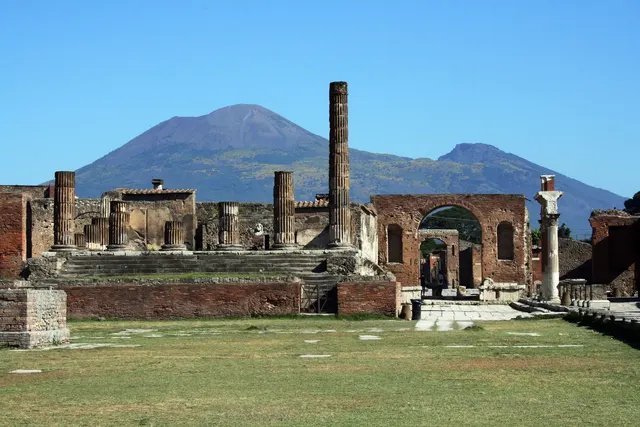
The Roman city frozen under Vesuvius's ash in AD 79, streets and villas intact.
Photo: Glen Scarborough from The Central Coast, Australia / CC BY 2.0, via Wikimedia Commons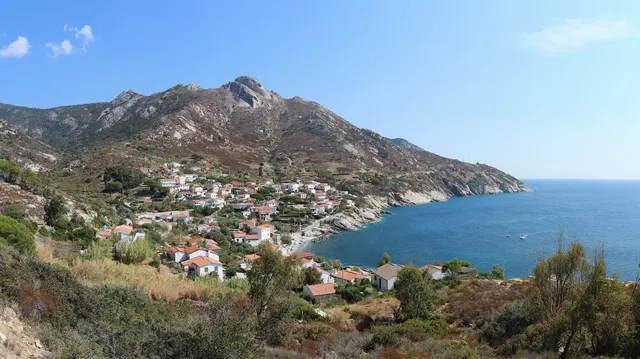
The Tuscan island where Napoleon spent ten months in exile.
Photo: Ingo Mehling / CC BY-SA 4.0, via Wikimedia Commons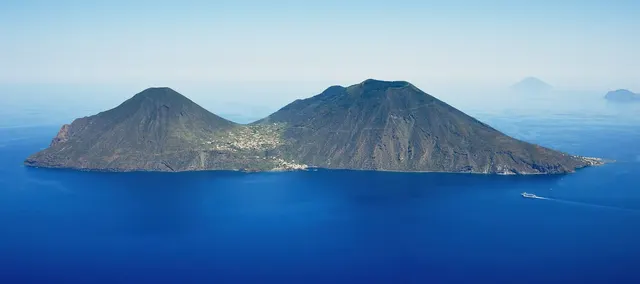
The greenest Aeolian island, of twin volcanoes and capers, where Il Postino was filmed.
Photo: Carsten Steger / CC BY-SA 4.0, via Wikimedia Commons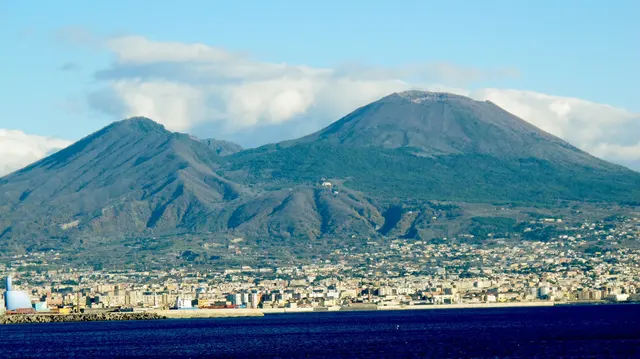
The volcano that buried Pompeii, still active above the Bay of Naples.
Photo: pietro scerrato / CC BY 3.0, via Wikimedia Commons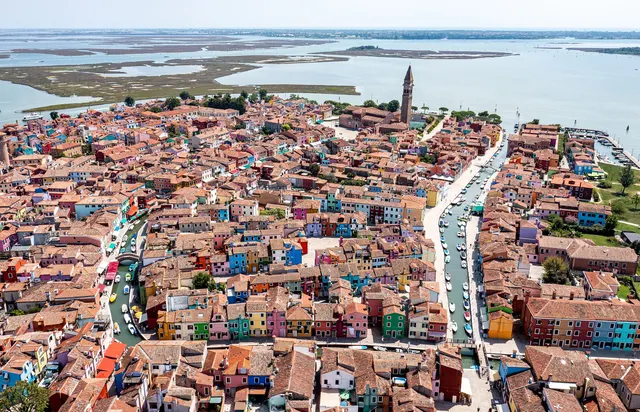
A Venetian lagoon island of brightly painted fishermen's houses and lace-making.
Photo: Kasa Fue / CC BY-SA 4.0, via Wikimedia Commons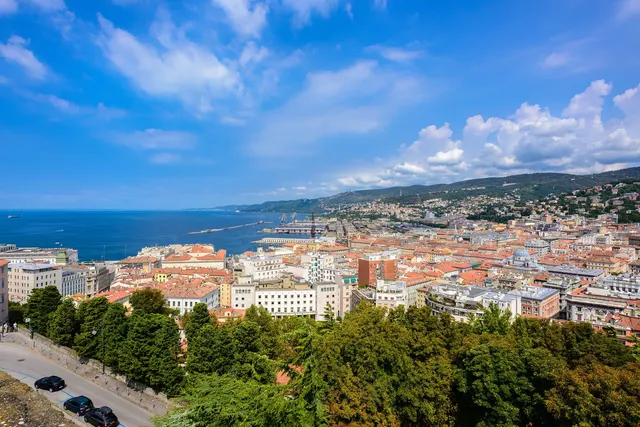
A Habsburg port at the top of the Adriatic, with a grand seafront piazza.
Photo: Nick Savchenko from Kiev, Ukraine / CC BY-SA 2.0, via Wikimedia Commons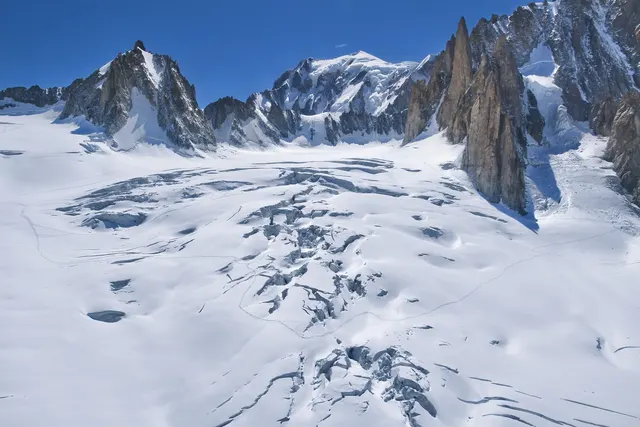
The highest mountain in the Alps and Western Europe, at 4,808 metres.
Photo: Ximonic, Simo Räsänen / CC BY-SA 3.0, via Wikimedia Commons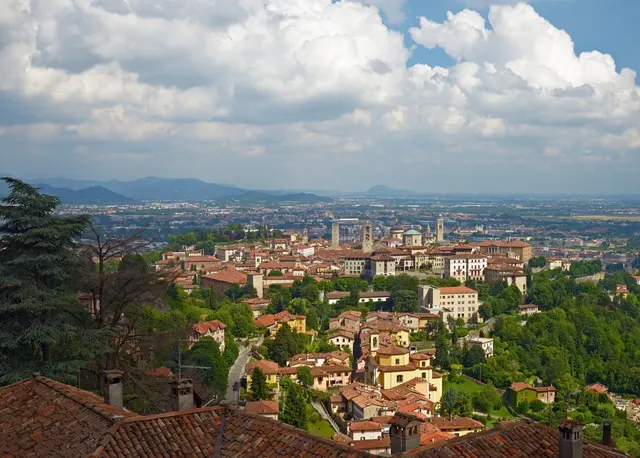
A Venetian-walled upper town on a hill, reached by funicular from the modern city.
Photo: Ввласенко / CC BY-SA 3.0, via Wikimedia Commons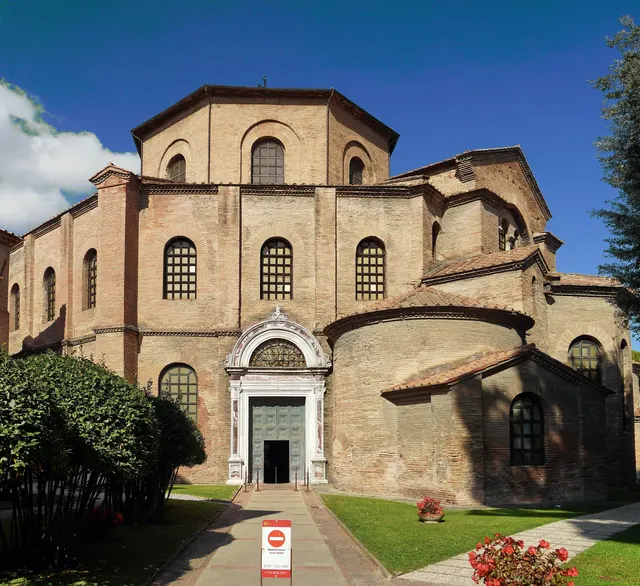
An octagonal 6th-century church with the finest Byzantine mosaics outside Constantinople.
Photo: Commonists / CC BY-SA 4.0, via Wikimedia Commons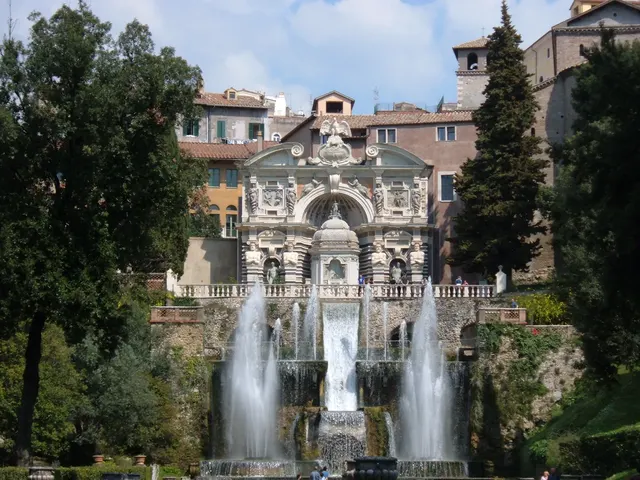
A Renaissance villa famous for its garden of five hundred fountains.
Photo: Public domain, via Wikimedia CommonsHow to place them
Rome is six of the 42 on its own: the Colosseum, the Trevi Fountain and St Paul outside the Walls in the city, Ostia at the river mouth, and Hadrian's Villa and the Villa d'Este out at Tivoli, 25 km east. The Bay of Naples is another six within 30 km of each other: Naples, Vesuvius, Pompeii and Herculaneum on the mainland, Capri offshore, Positano round the corner on the Amalfi coast. A volcano over a city or Roman streets under ash means the bay, at 40.8 north.
The islands come in groups. Elba, Pianosa and Montecristo are the Tuscan archipelago, off the coast between Livorno and Rome. Stromboli, Vulcano and Salina are the Aeolian islands north of Sicily. Lampedusa is the trap: it sits at 35.5 north, closer to Tunisia than to Sicily, and a pin on Palermo is 300 km out.
The north is a band of lakes and cities along the Alps: Maggiore, Lugano and Iseo on the Swiss side, Bergamo and Milan's Santa Maria delle Grazie below them, Verona's arena, then the Venetian lagoon with the Grand Canal, the Lido and Burano within 10 km of each other. Trieste is the far north-eastern corner, up against Slovenia. Mont Blanc is the far north-western one and the only place in the set that does not look Italian; the summit sits on the French border.
The daily in the app mixes photos from all 167 countries in the game, five a day, the same five for everyone.
Play the dailyQuestions & answers
How many photos from Italy are in the game?
42. The furthest north is Lake Maggiore and the furthest south is Lampedusa. Each round on this page picks five.
What is the hardest photo from Italy?
Nothing here is rated hard. The medium ones include Vernazza, Cinque Terre; Positano, Amalfi Coast; and Matera. You lose half the points for every 693 km you miss by.
Where is it easiest to get full points in Italy?
Several, including Lampedusa, Stromboli and Lake Maggiore. They share the widest radius on this page, 60 km, and any pin inside it scores the full 5,000.