Photo location game · Europe
Spain landmarks quiz: guess where 34 photos were taken
34 places in Spain, each with a photo, a fact and a spot on the map. Play five of them here, then study the rest below.
★ 4.7 on Google Play· 60 ratings· 500+ downloads· Free
Five photos from Spain. Tap the map where you think each one was taken.
Tap the map where you think this is
Where they are
29 on the mapAll 34 places
by id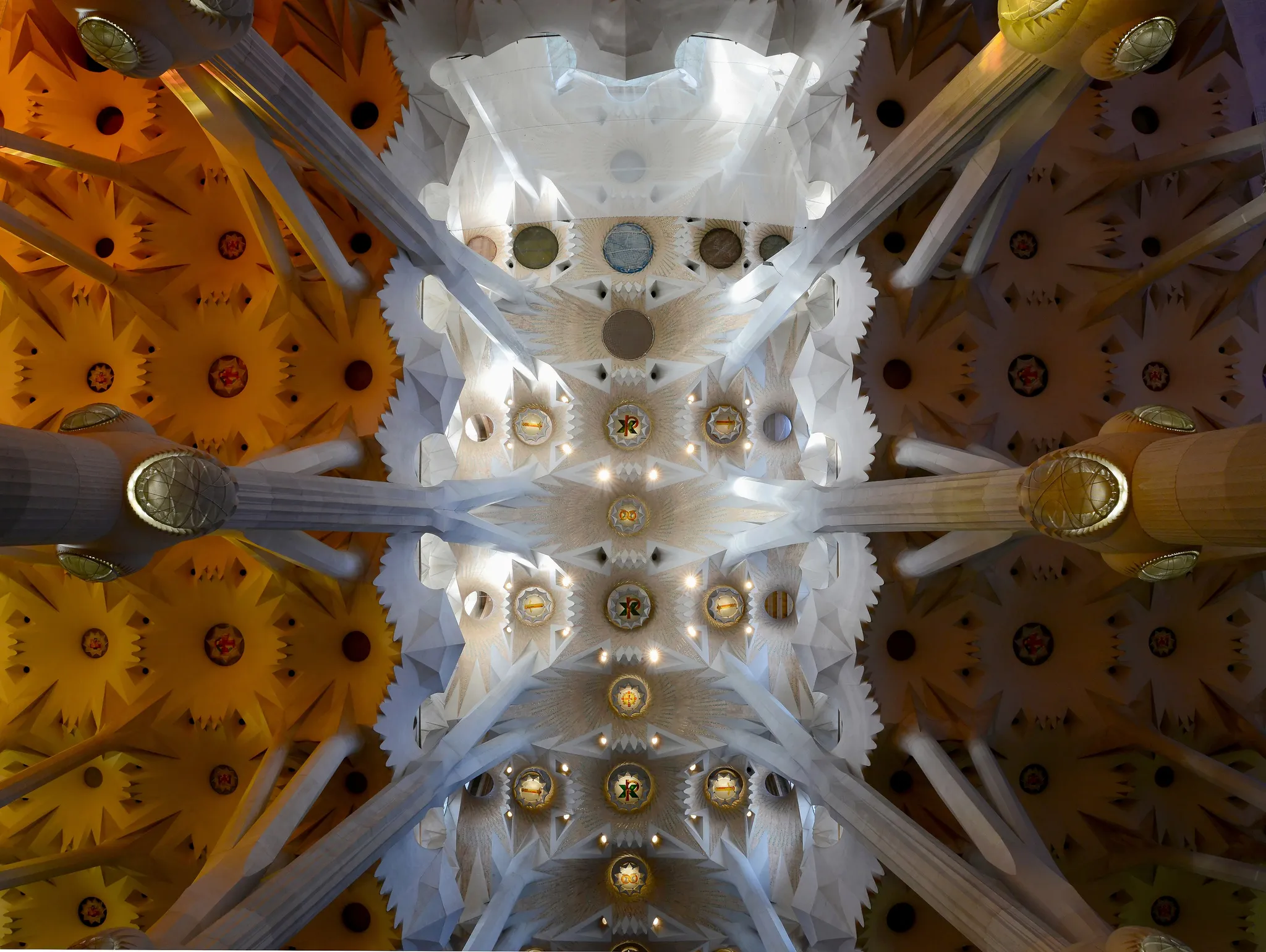
Gaudí's still-unfinished basilica bristling with organic spires.
Photo: Alvesgaspar / CC BY-SA 4.0, via Wikimedia Commons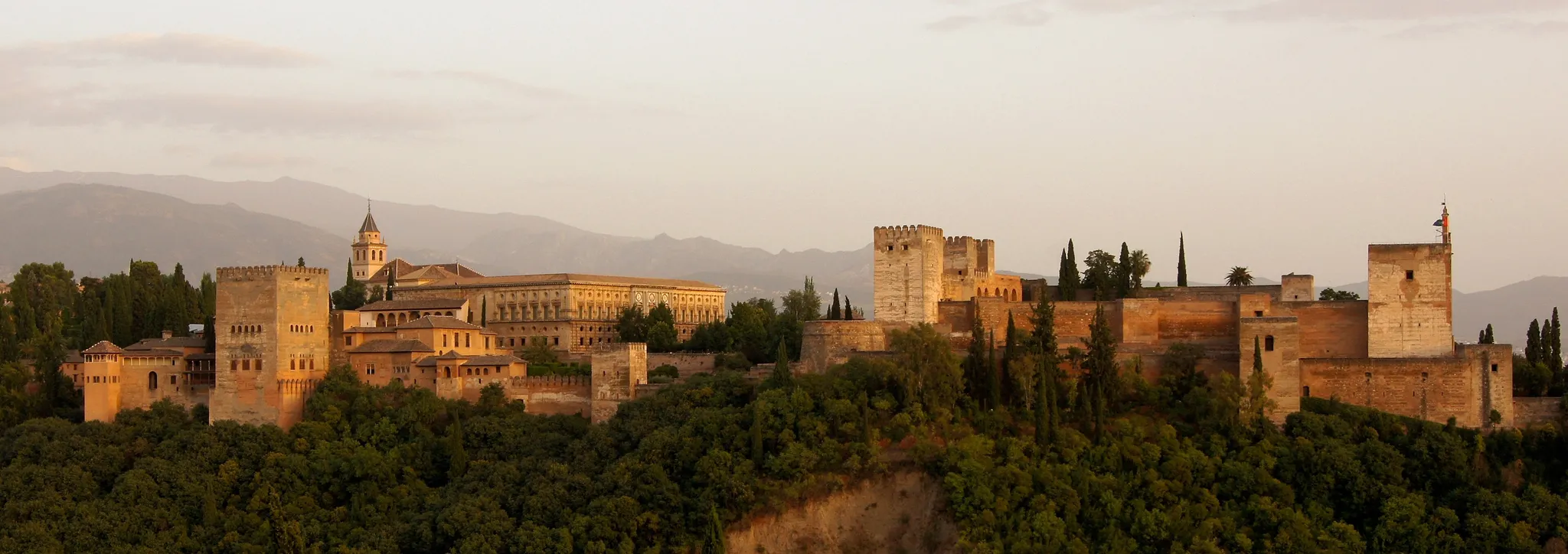
A Moorish palace-fortress above Granada, backed by the Sierra Nevada.
Photo: Public domain, via Wikimedia Commons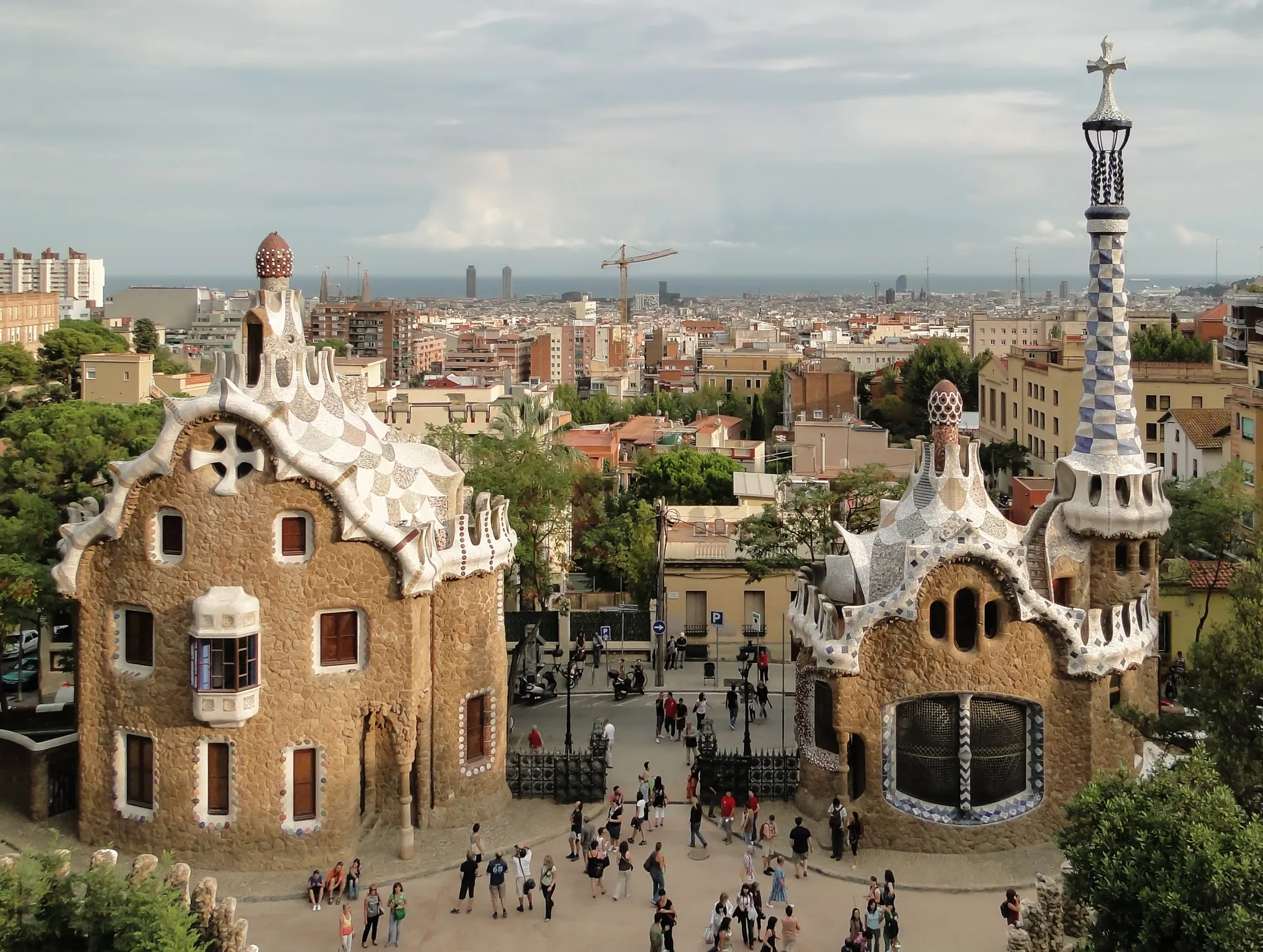
Gaudí's mosaic terraces overlooking Barcelona.
Photo: Bernard Gagnon / CC BY-SA 3.0, via Wikimedia Commons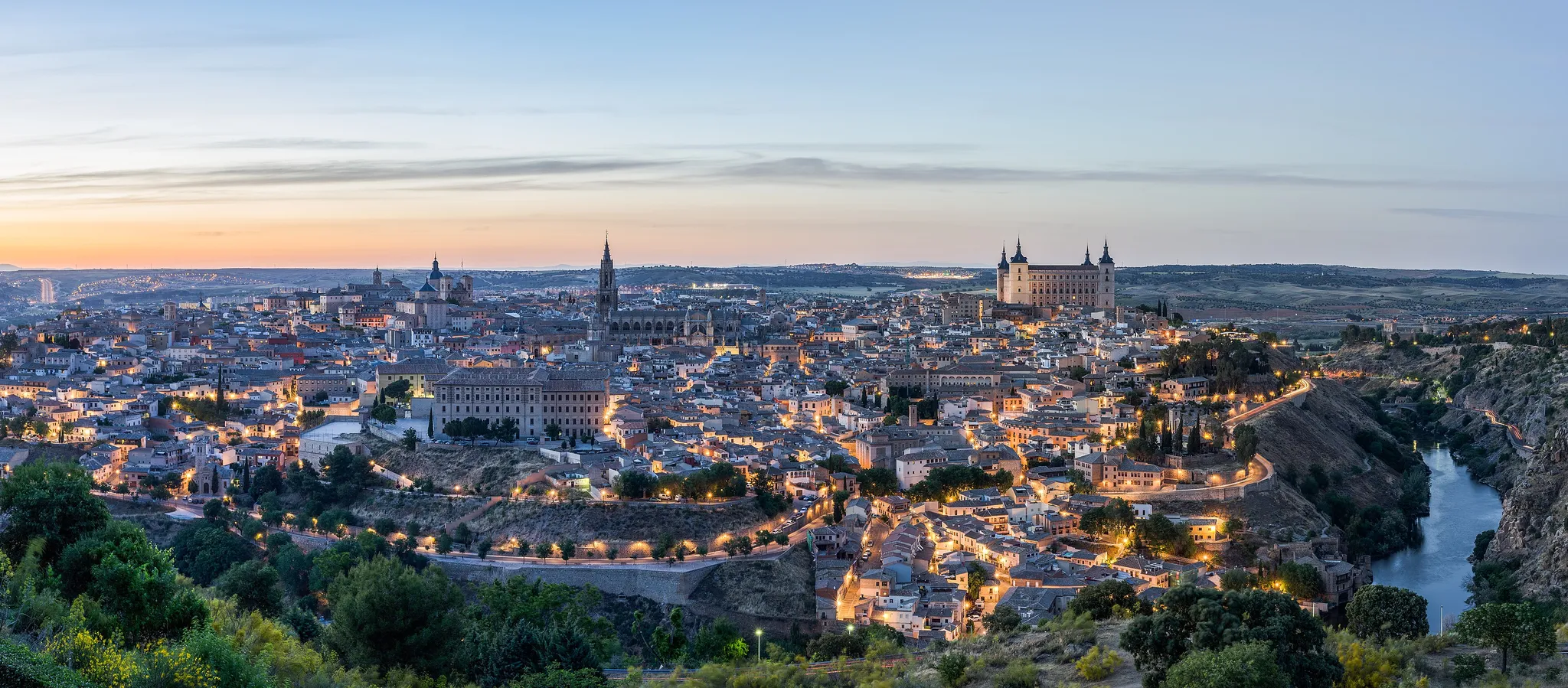
A hilltop city loop by the Tagus, ringed by medieval walls.
Photo: Chensiyuan / CC BY-SA 3.0, via Wikimedia Commons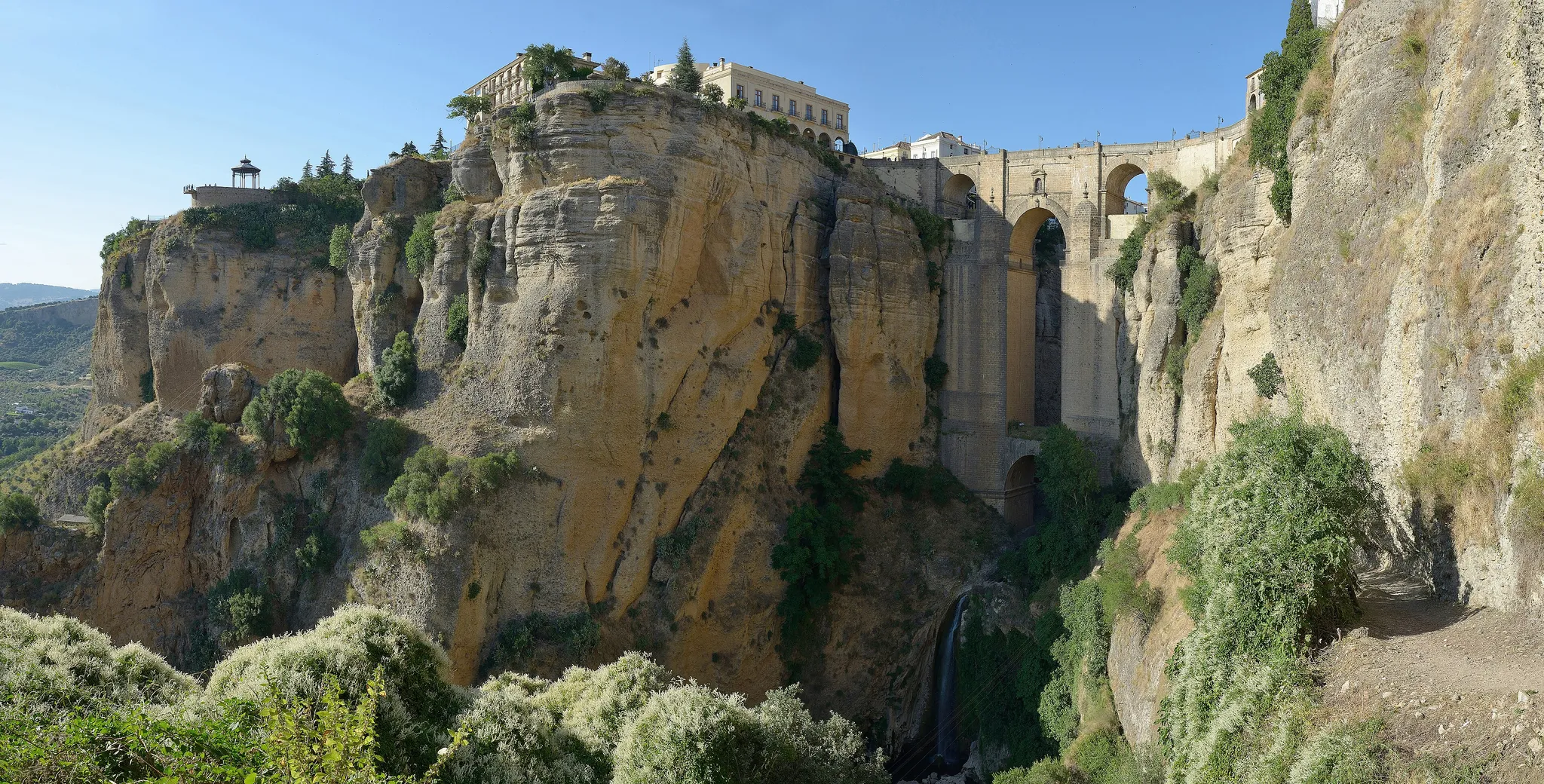
A white town split by a deep gorge and a stone bridge.
Photo: This Photo was taken by Wolfgang Moroder. Feel free to use my photos, but please mention me as the author and send me a message. This image is not in the public domain. Please respect the copyright protection. It may only be used according to the rules mentioned here. This specifically excludes use in social media, if applicable terms of the licenses listed here not appropriate. Please do not upload an updated image here without consultation with the Author. The author would like to make corrections only at his own source. This ensures that the changes are preserved.Please if you think that any changes should be required, please inform the author.Otherwise you can upload a new image with a new name. Please use one of the templates derivative or extract. / CC BY-SA 3.0, via Wikimedia Commons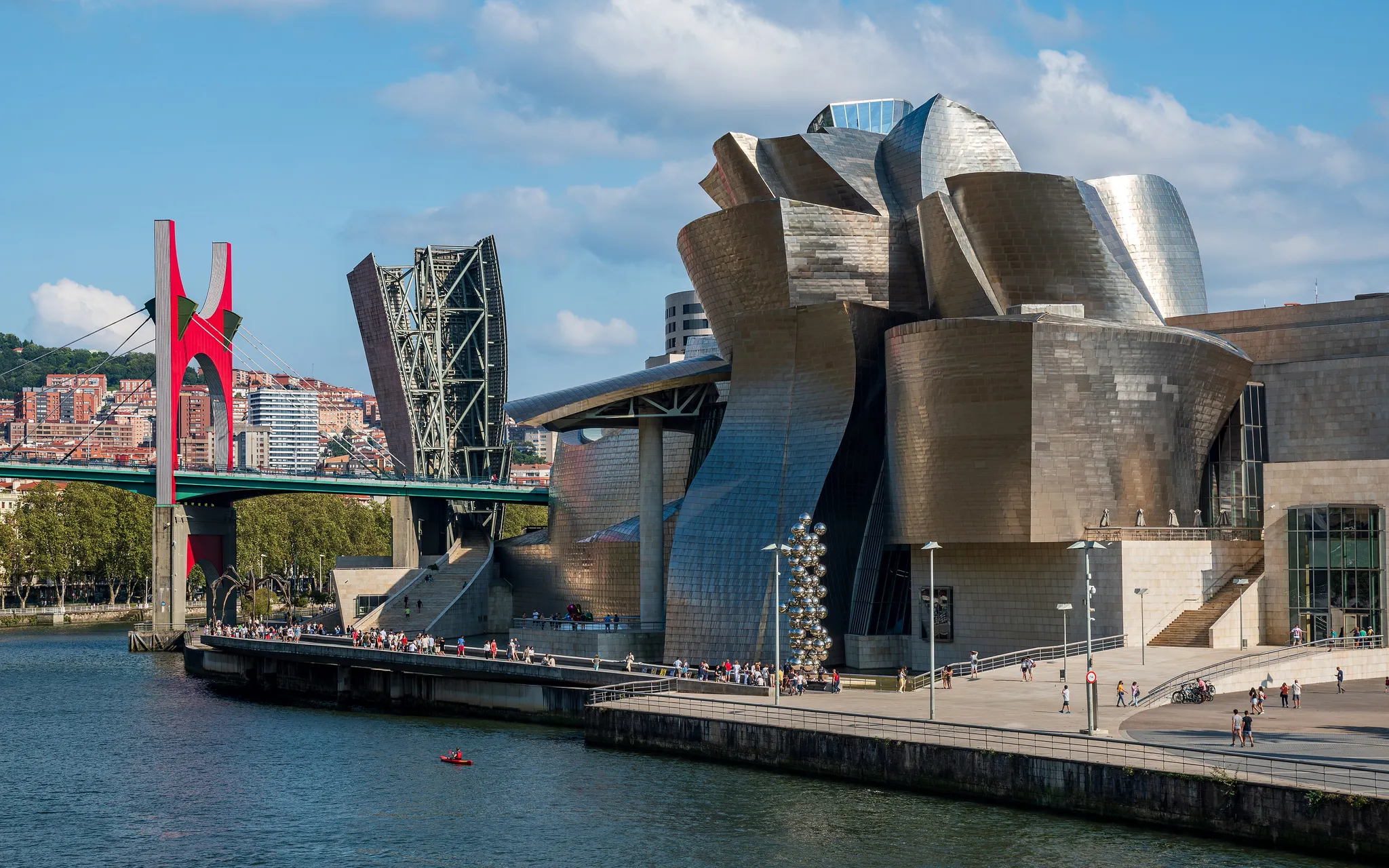
Gehry's titanium-clad museum curving along the river.
Photo: José Ligero Loarte / CC BY-SA 4.0, via Wikimedia Commons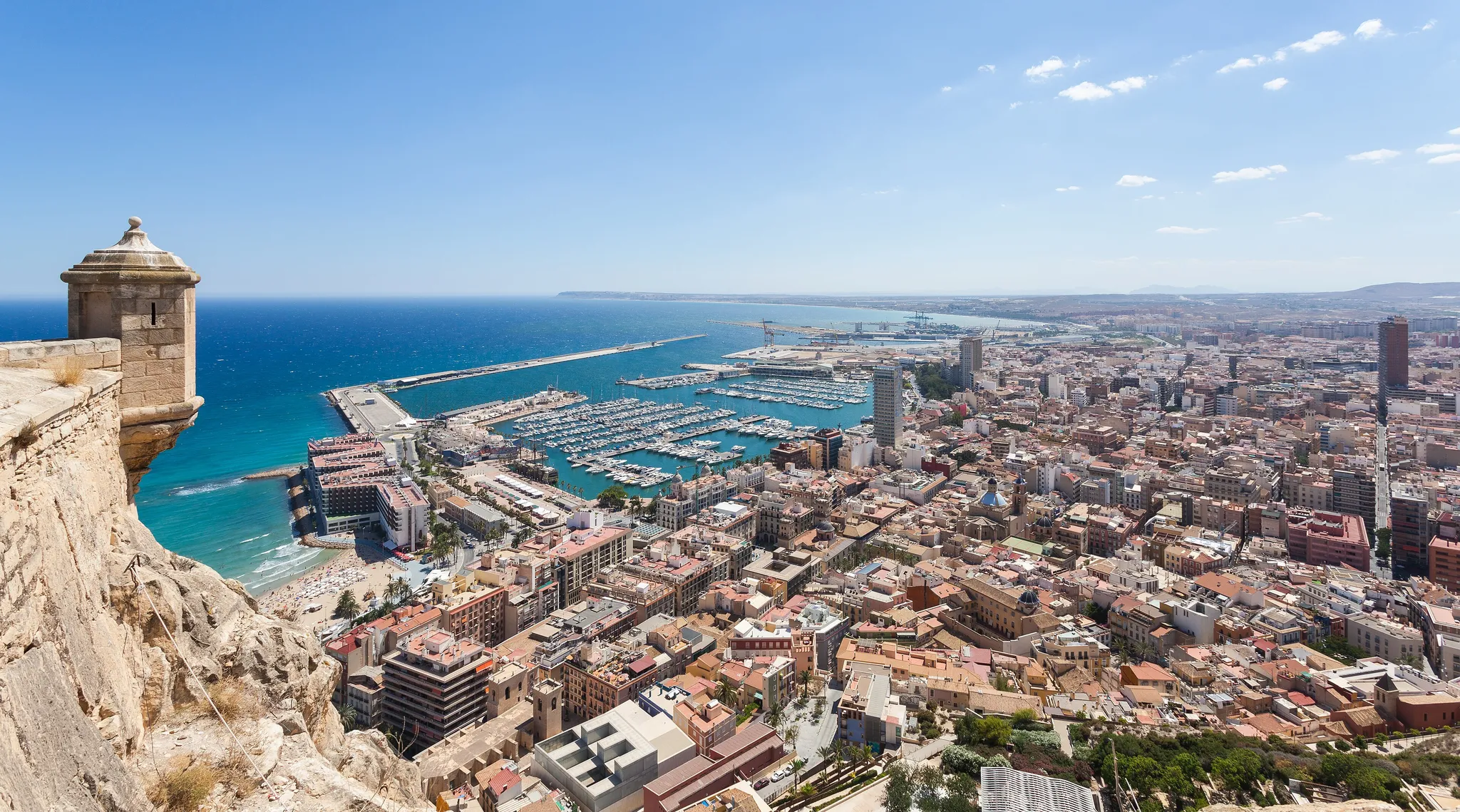
A Mediterranean port with the Santa Bárbara castle on a rock above the beach.
Photo: Diego Delso / CC BY-SA 3.0, via Wikimedia Commons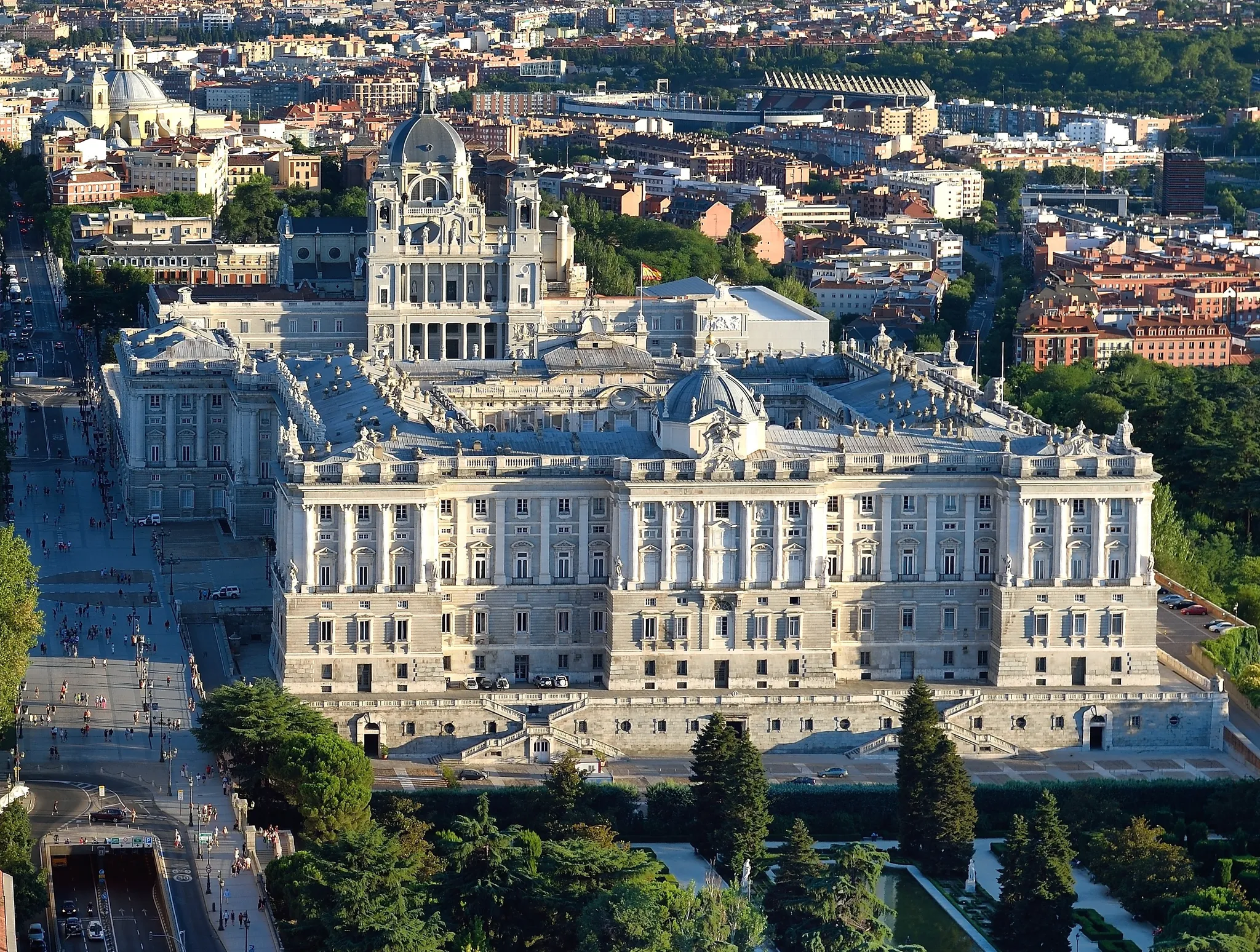
Western Europe's largest royal palace, with more than 3,000 rooms.
Photo: Tim Adams / CC BY-SA 4.0, via Wikimedia Commons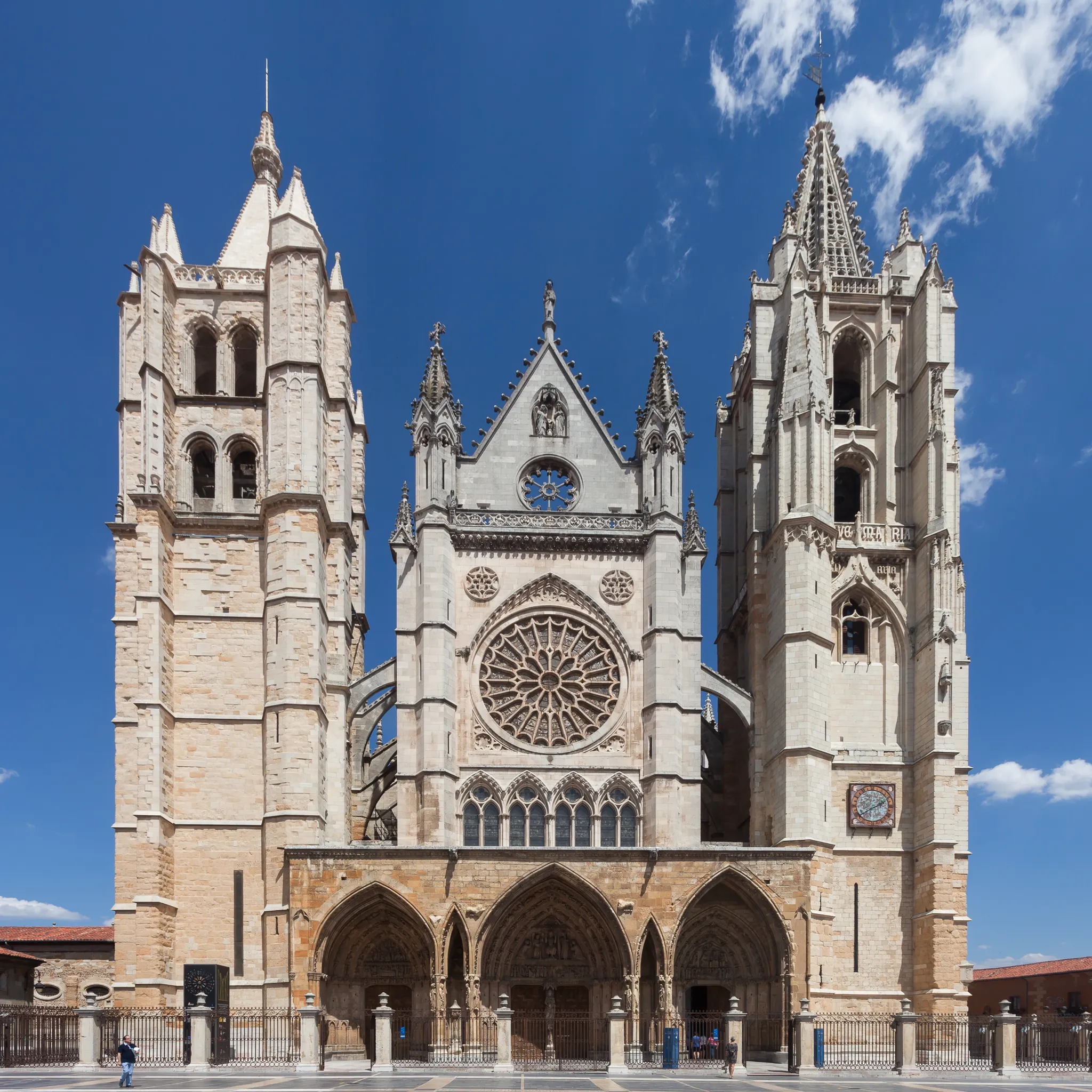
A Gothic cathedral with 1,800 square metres of medieval stained glass.
Photo: Luis Miguel Bugallo Sánchez (Lmbuga) / CC BY-SA 3.0, via Wikimedia Commons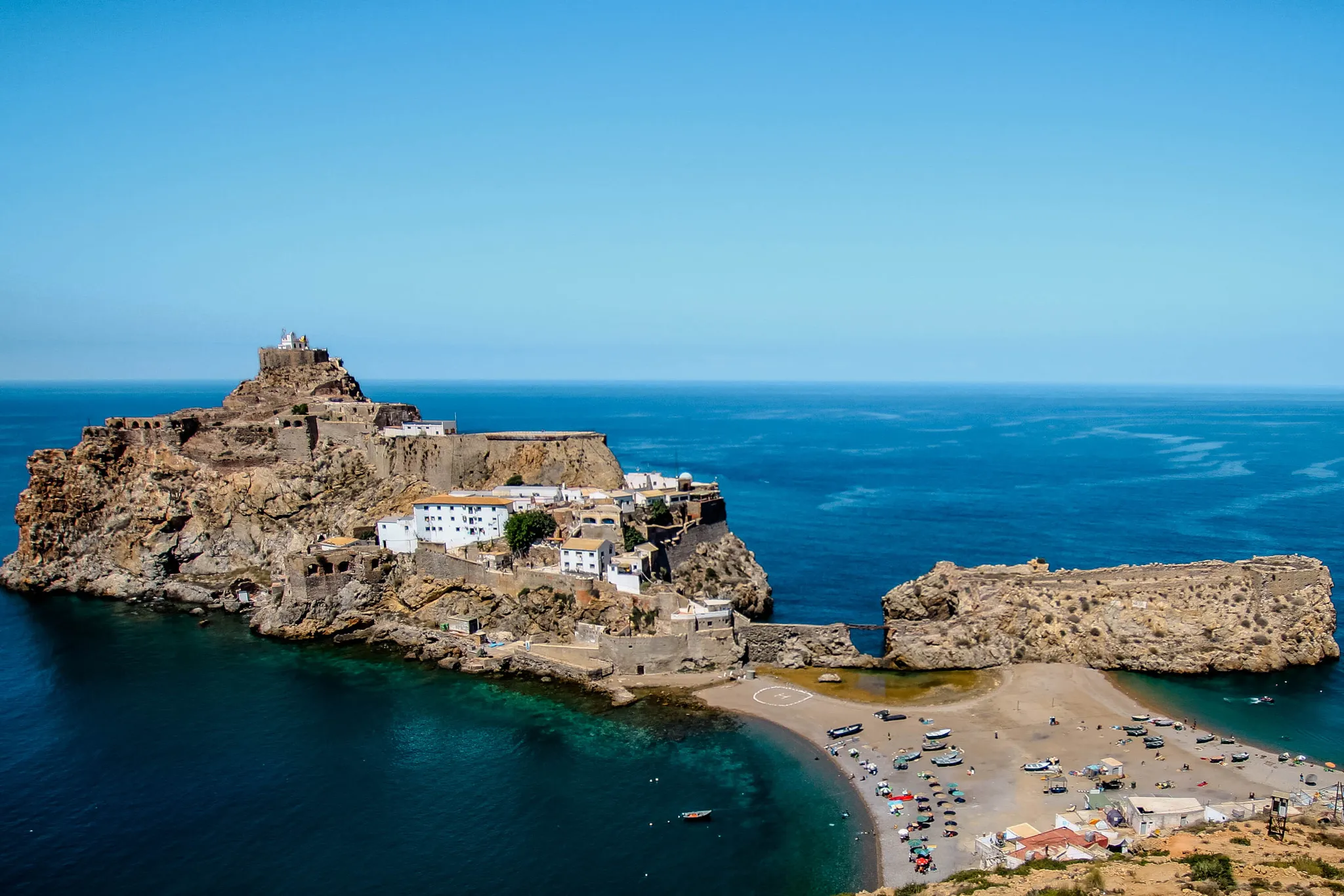
A Spanish rock fortress on the Moroccan coast, joined to Africa by an 85-metre sandbar.
Photo: Soufiane elkadaoui / CC BY-SA 4.0, via Wikimedia Commons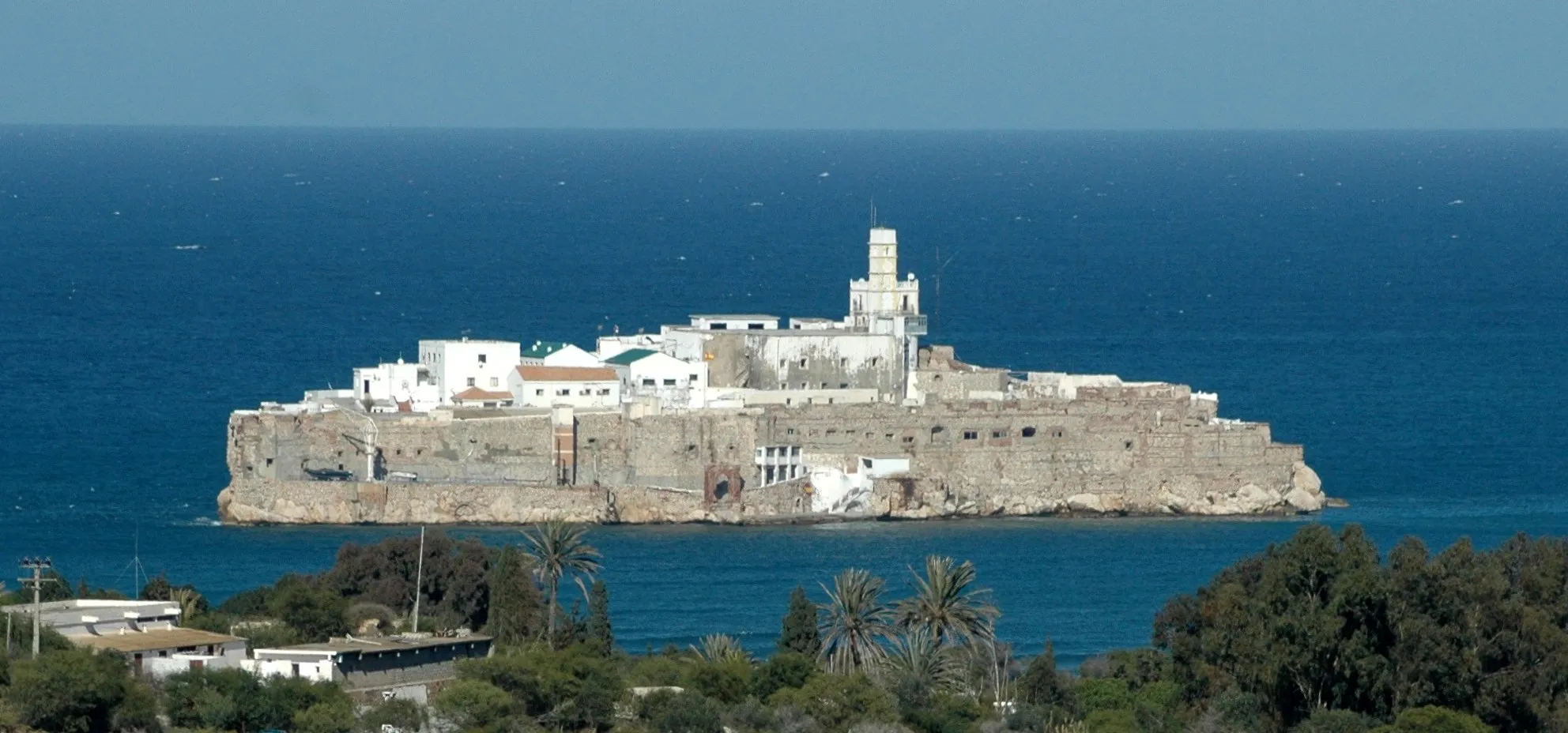
A Spanish rock fortress just 300 metres off the Moroccan coast.
Photo: Miguel González Novo / CC BY-SA 2.0, via Wikimedia Commons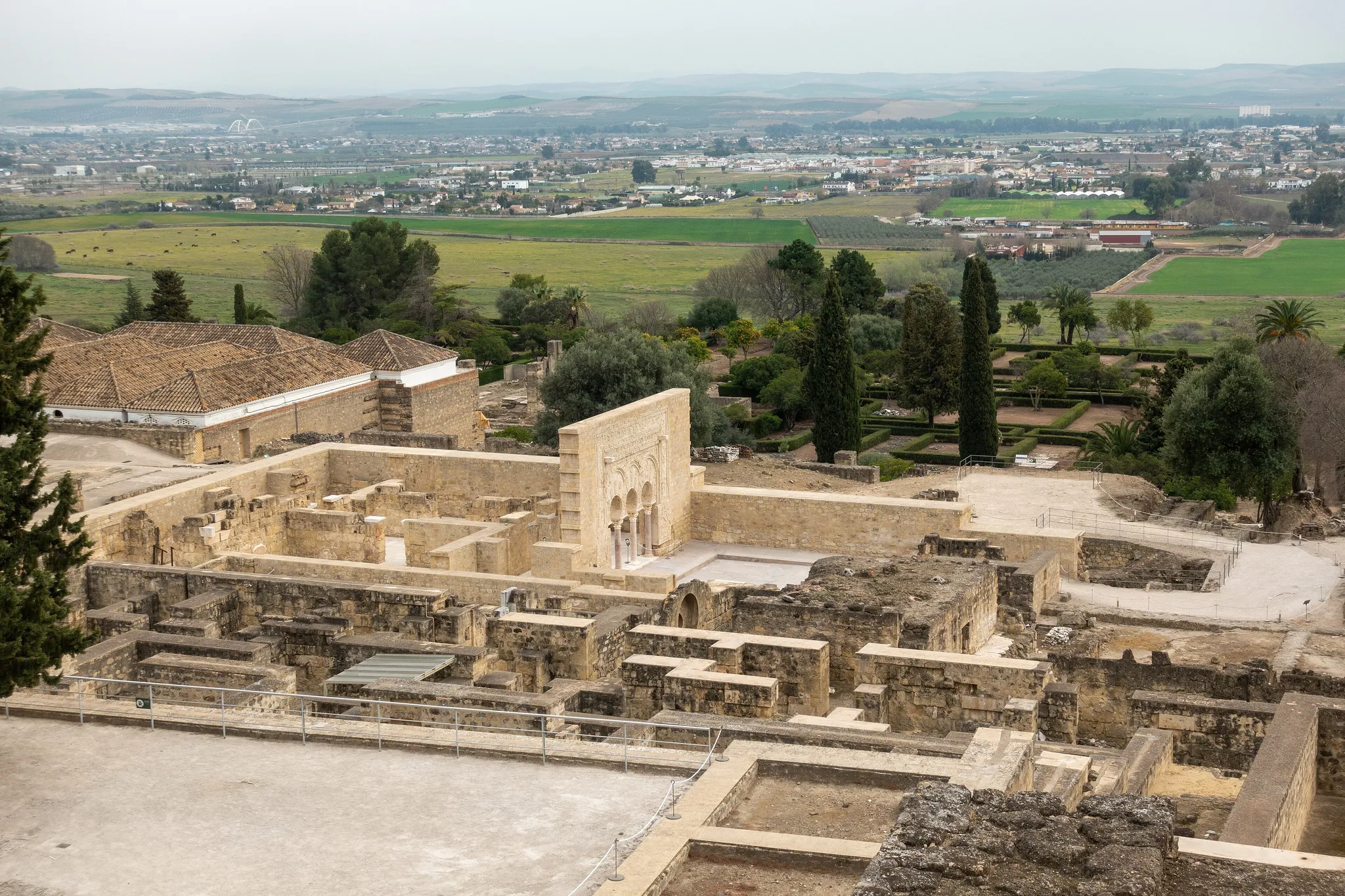
The ruins of a 10th-century caliphal palace-city outside Córdoba.
Photo: Kent Wang from Barcelona, Spain / CC BY-SA 2.0, via Wikimedia Commons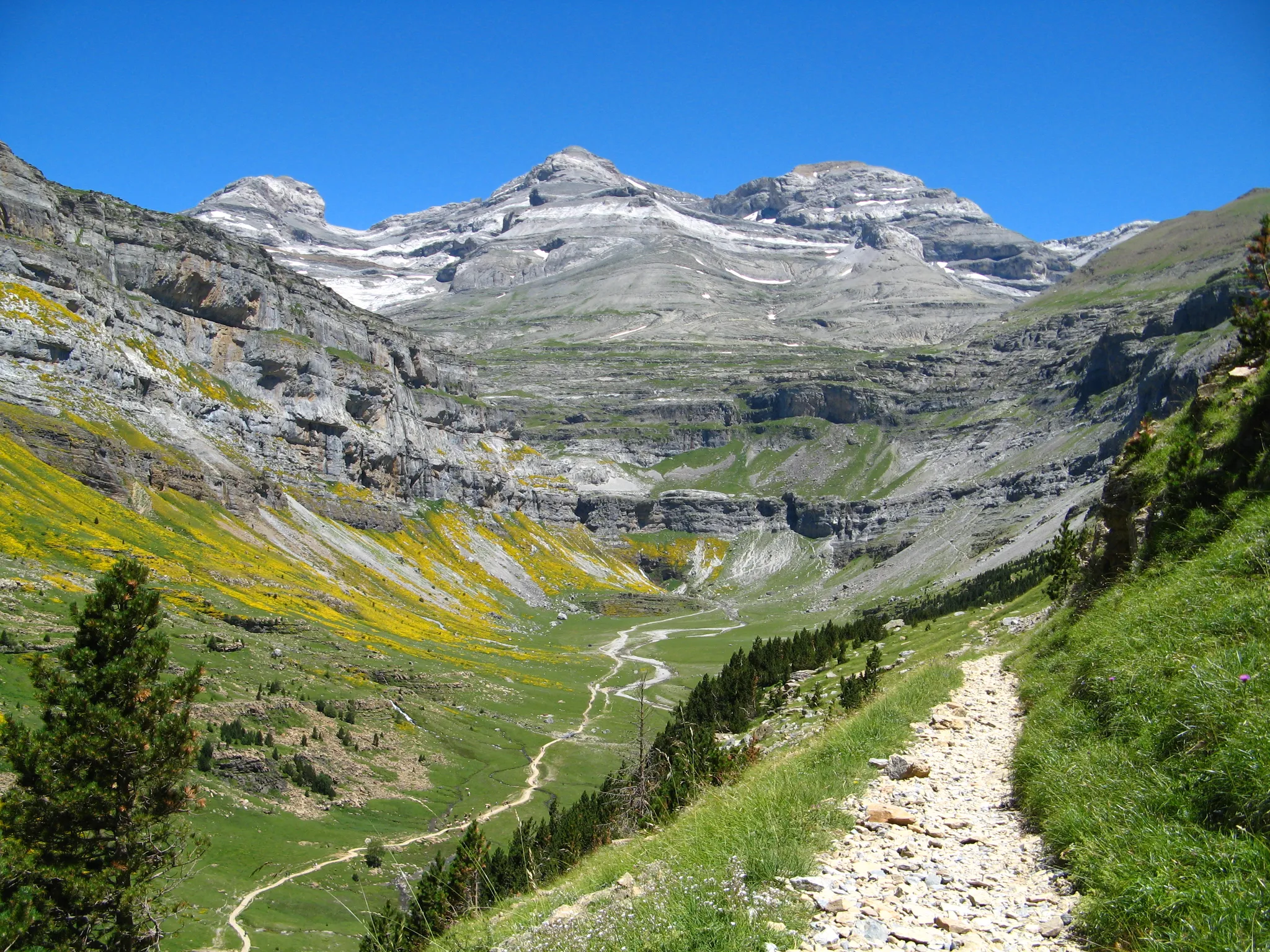
The 'Lost Mountain', the highest limestone massif in Europe at 3,355 metres.
Photo: Patrick Rouzet / CC BY-SA 3.0, via Wikimedia Commons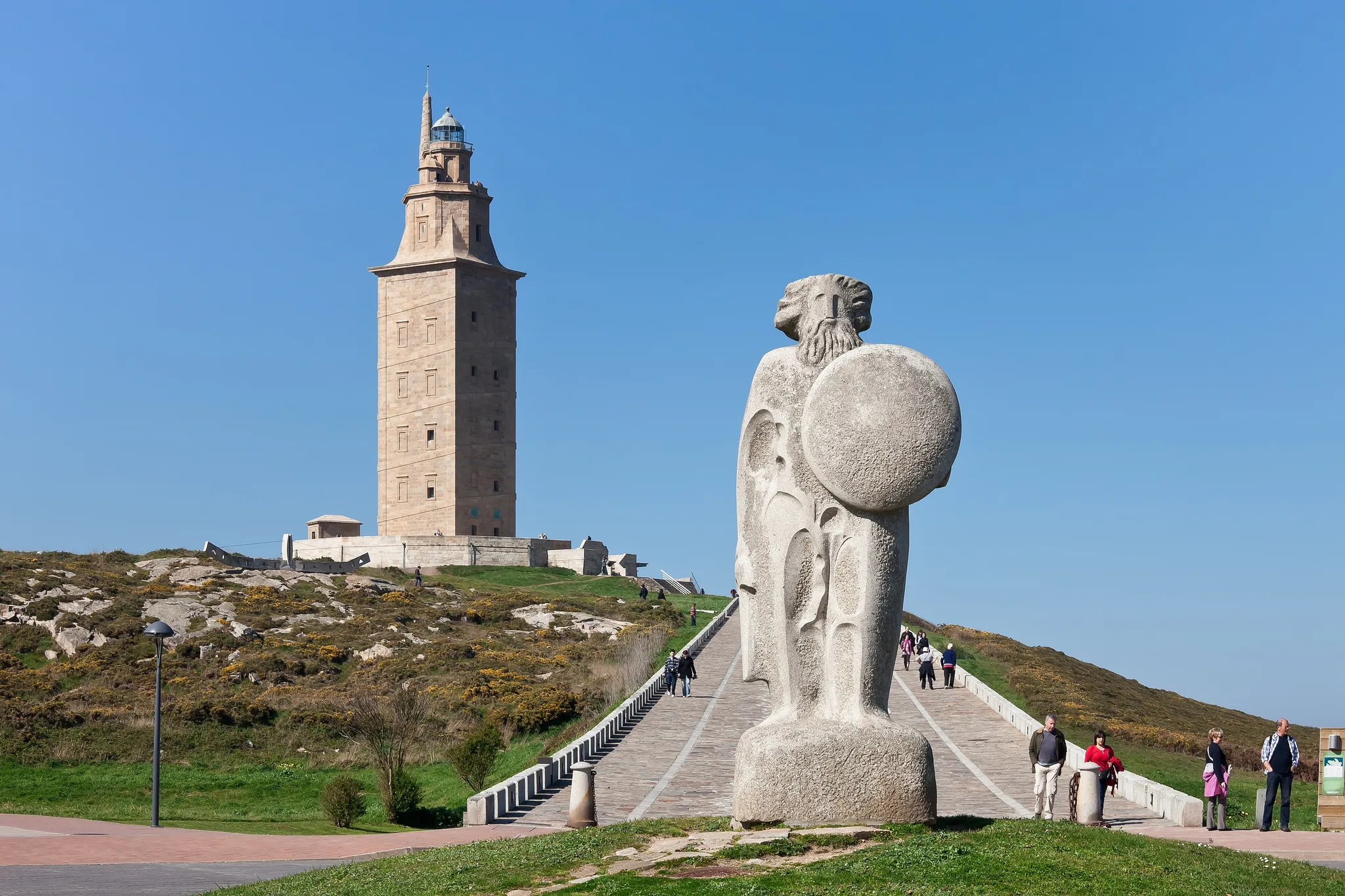
The oldest working lighthouse in the world, built by the Romans in the 1st century.
Photo: Luis Miguel Bugallo Sánchez (Lmbuga) / CC BY-SA 3.0, via Wikimedia Commons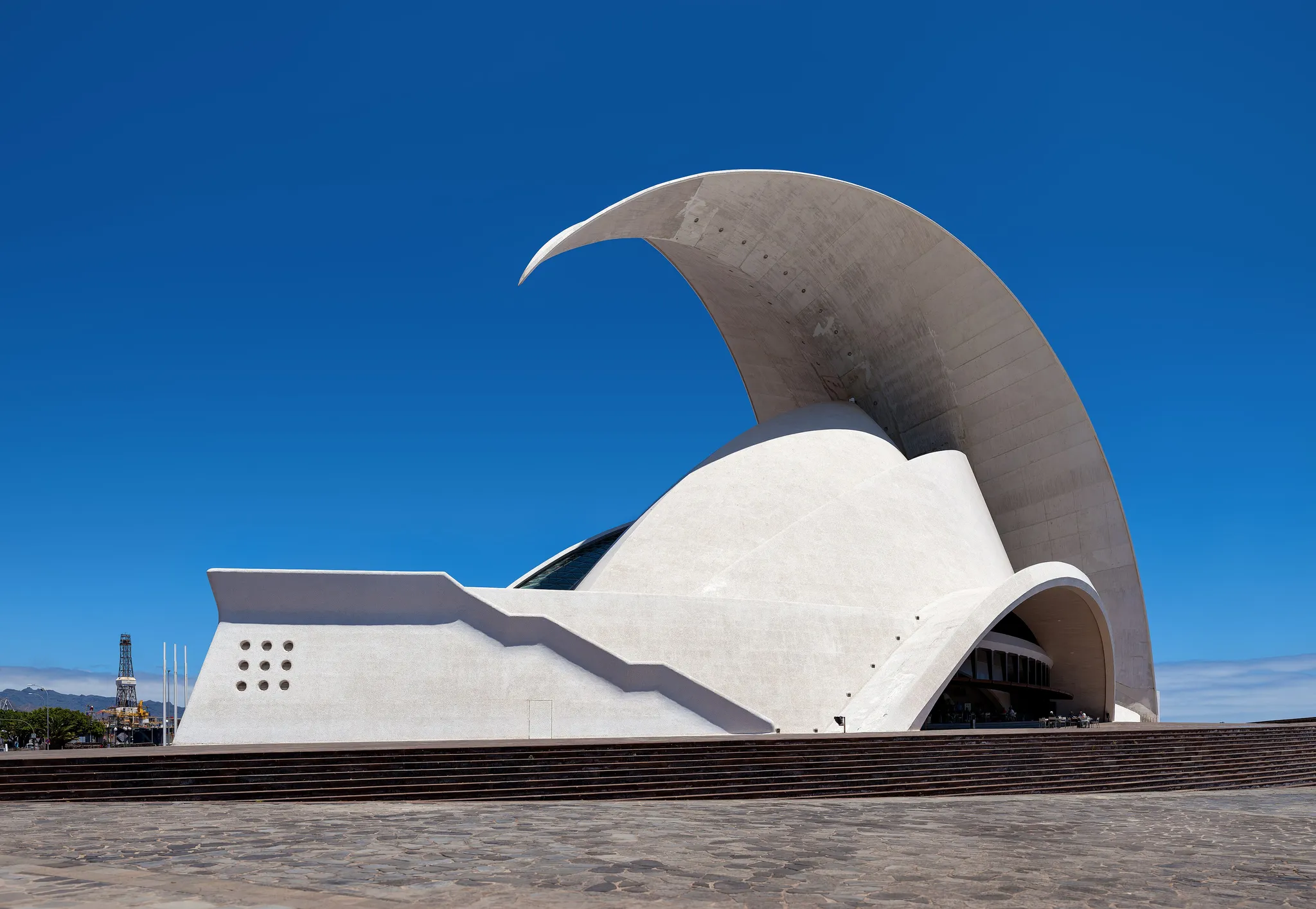
A concert hall with a sweeping wave-like roof by the harbour of Santa Cruz.
Photo: Thomas Wolf, www.foto-tw.de / CC BY-SA 3.0 de, via Wikimedia Commons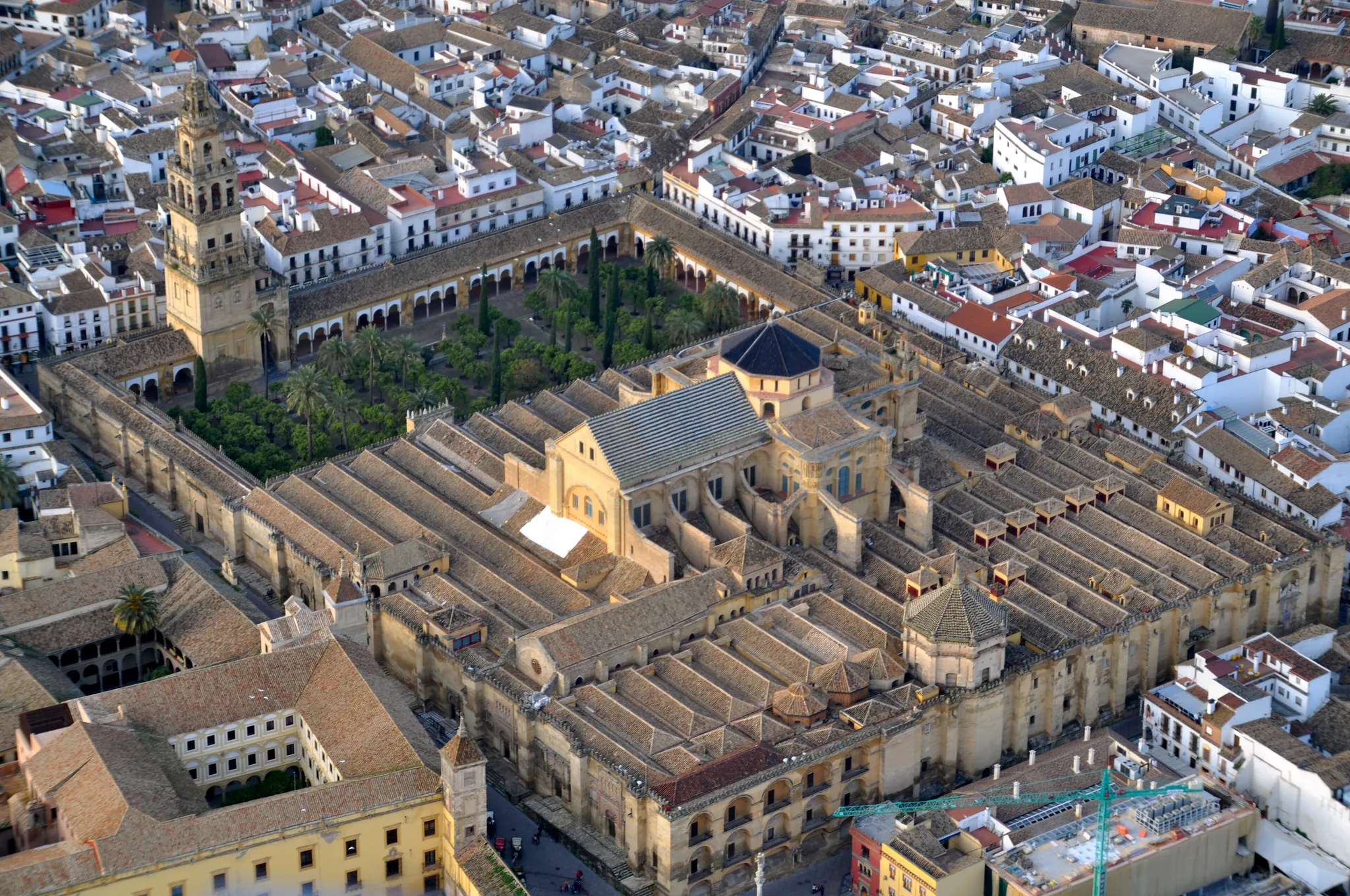
A forest of 850 striped arches from the mosque of Córdoba, with a cathedral built inside.
Photo: Toni Castillo Quero / CC BY-SA 2.0, via Wikimedia Commons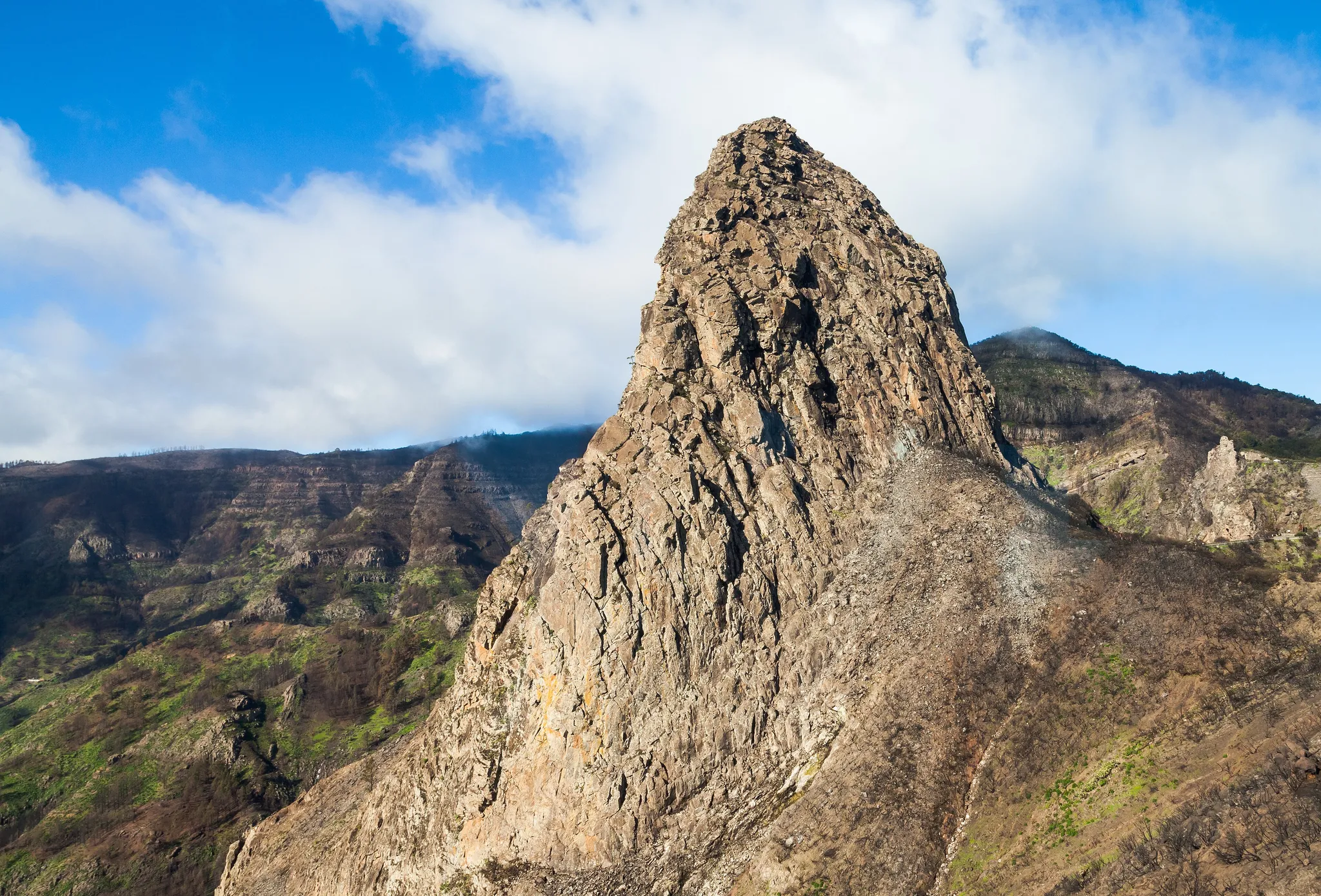
A misty laurel forest on La Gomera, a relic of the Tertiary period.
Photo: Diego Delso / CC BY-SA 3.0, via Wikimedia Commons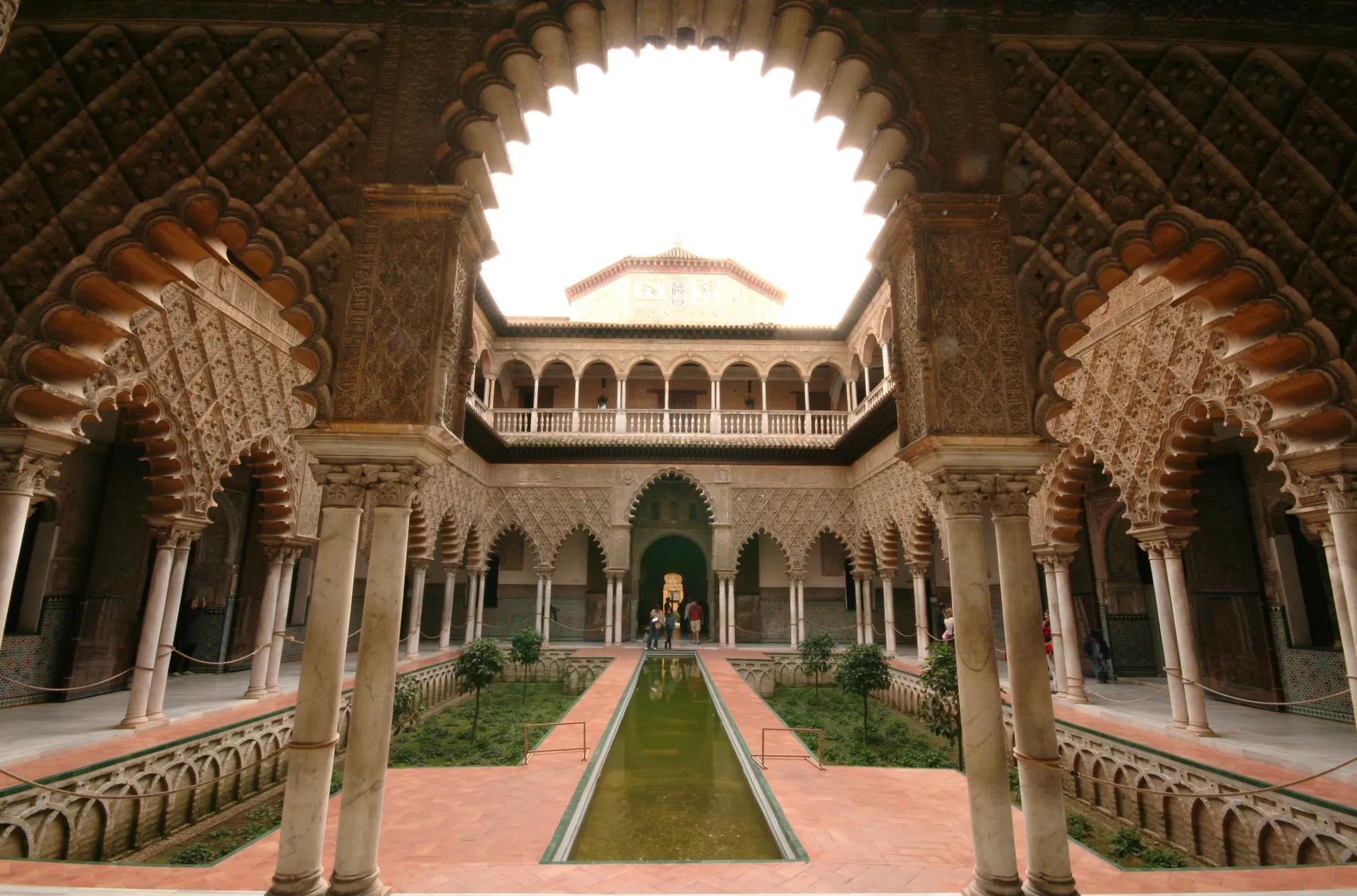
A Moorish palace still used by Spain's royal family, with lush courtyard gardens.
Photo: Cat from Sevilla, Spain / CC BY 2.0, via Wikimedia Commons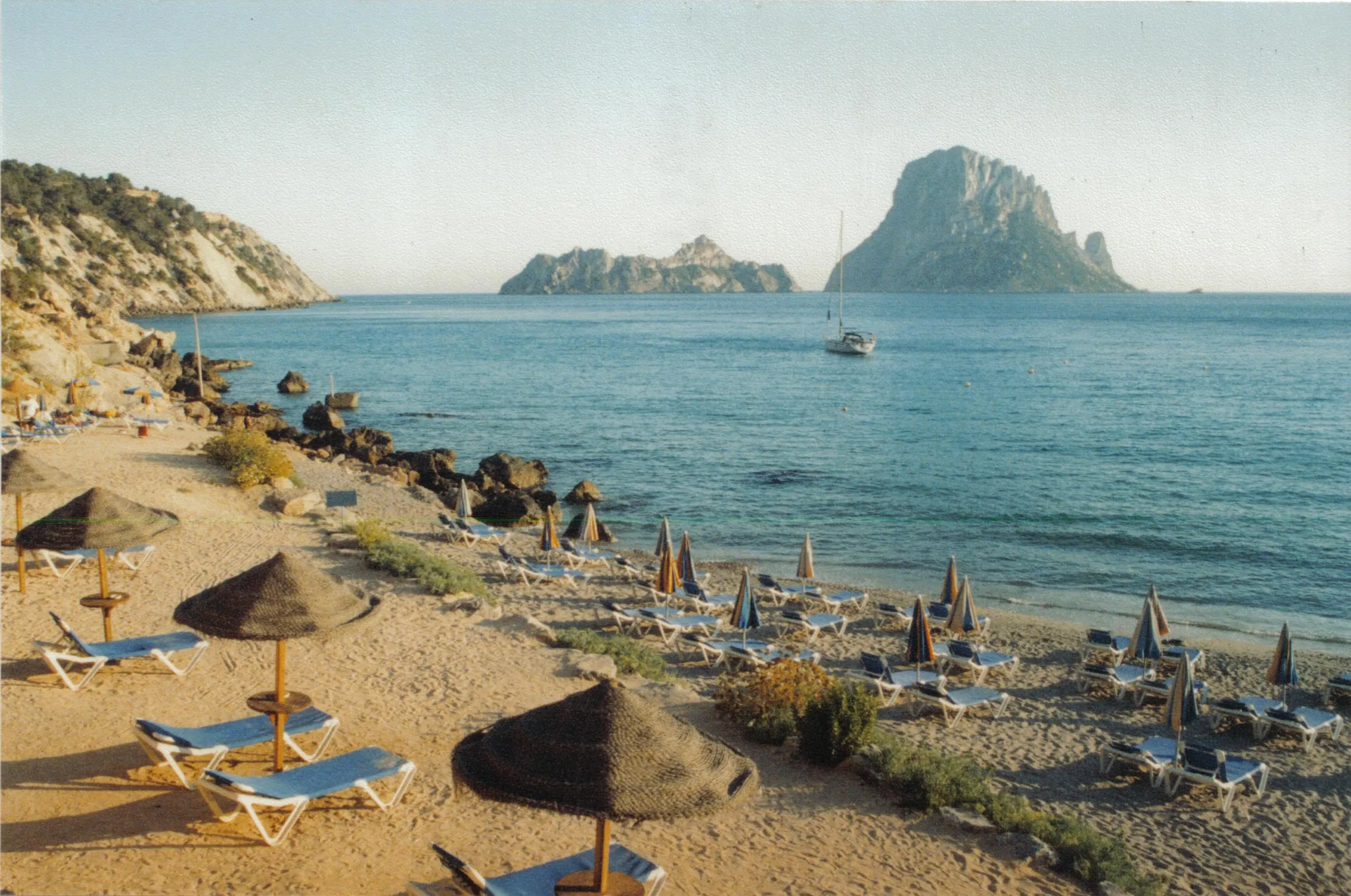
The Balearic party island, with a walled old town overlooking the harbour.
Photo: athinaf / CC BY 2.0, via Wikimedia Commons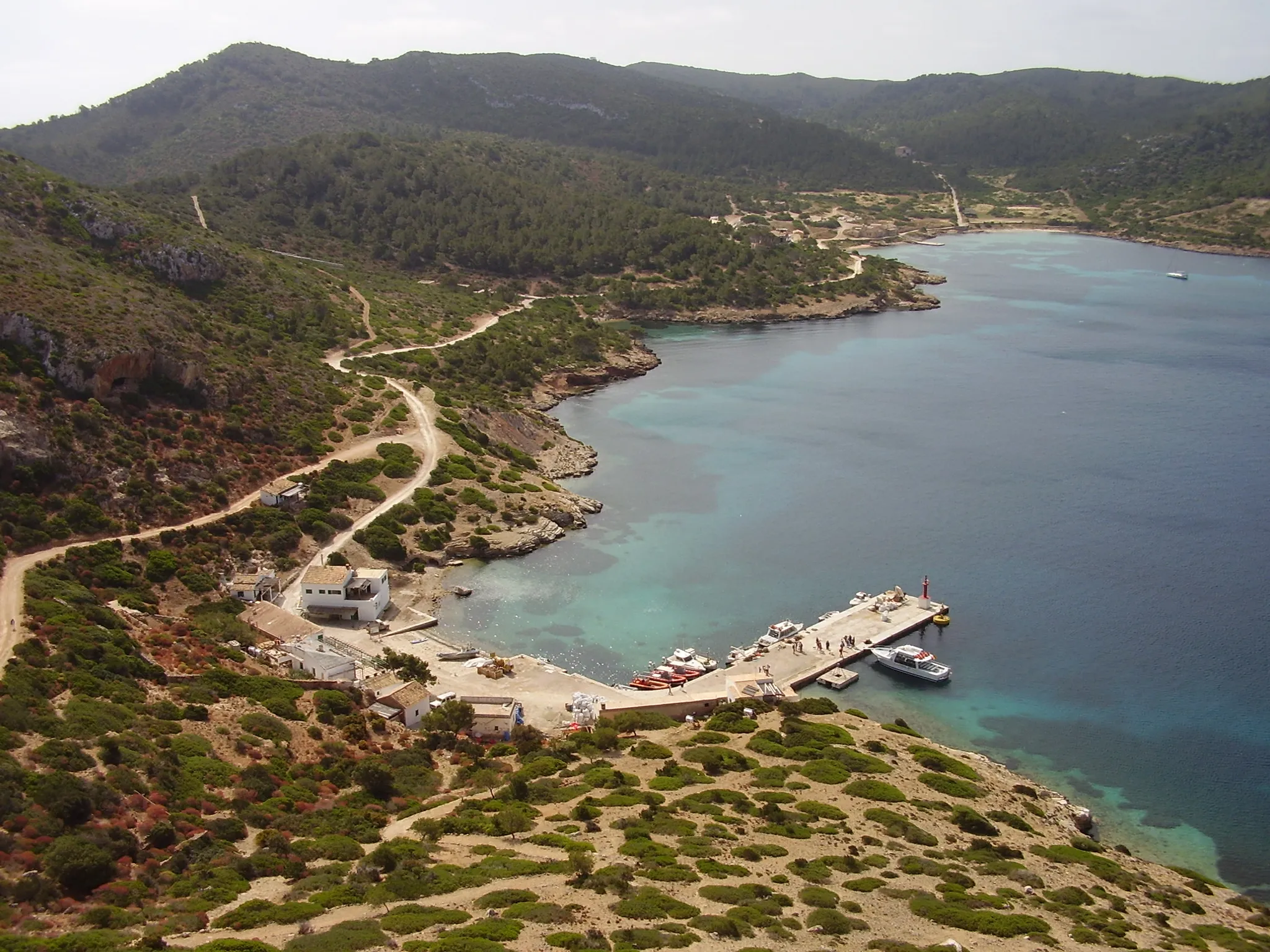
An uninhabited Balearic island with a hilltop castle, now a marine national park.
Photo: Unknown author / CC BY-SA 3.0, via Wikimedia Commons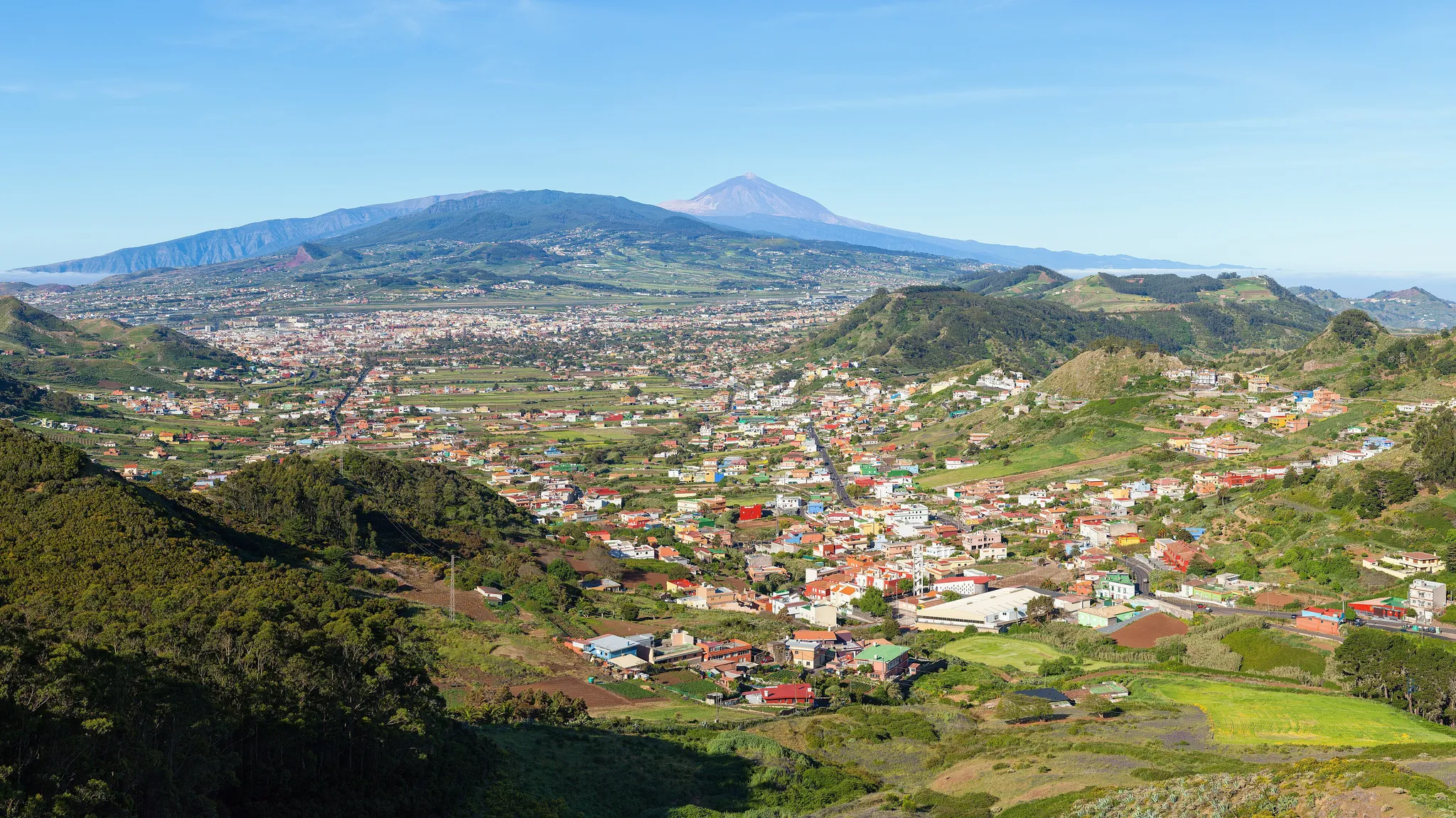
The first colonial town laid out on a grid, the model for cities in the Americas.
Photo: Thomas Wolf, www.foto-tw.de / CC BY-SA 3.0 de, via Wikimedia Commons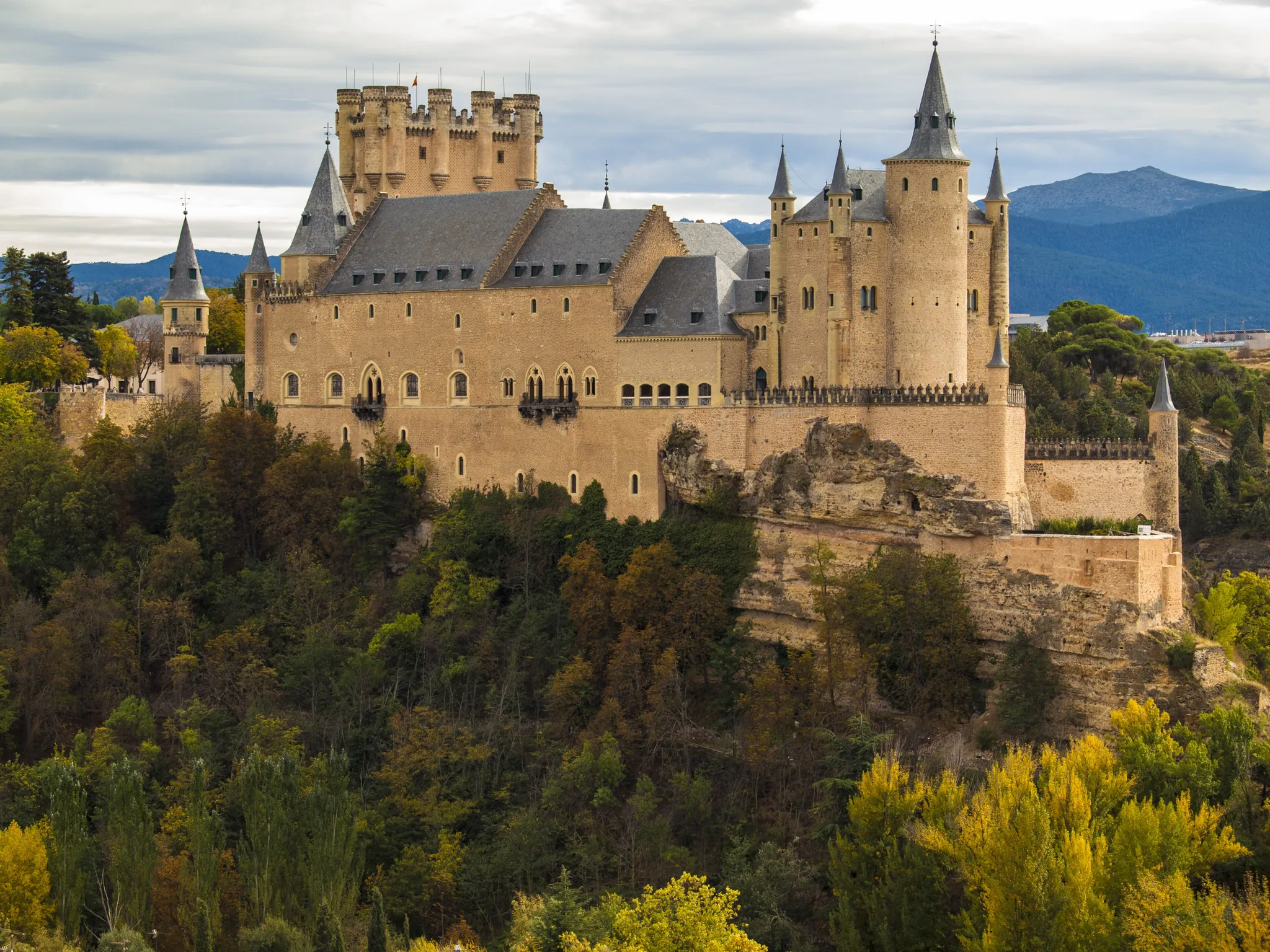
A ship-shaped castle on a rocky spur, said to have inspired Disney's Cinderella Castle.
Photo: Ángel Sanz de Andrés / CC BY-SA 4.0, via Wikimedia Commons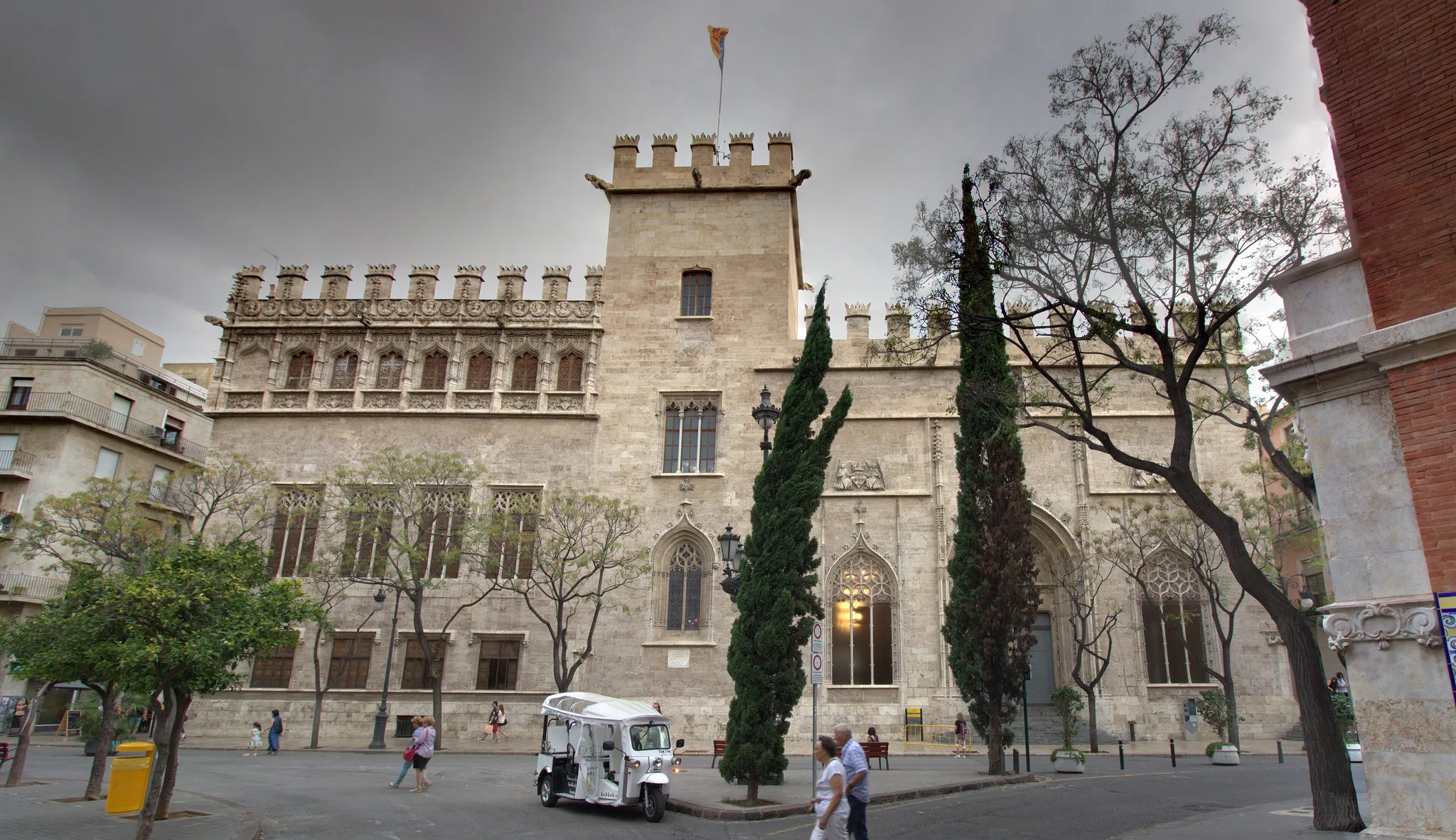
Valencia's late-Gothic silk exchange with a hall of twisted columns.
Photo: Juan Mayordomo / CC BY-SA 4.0, via Wikimedia Commons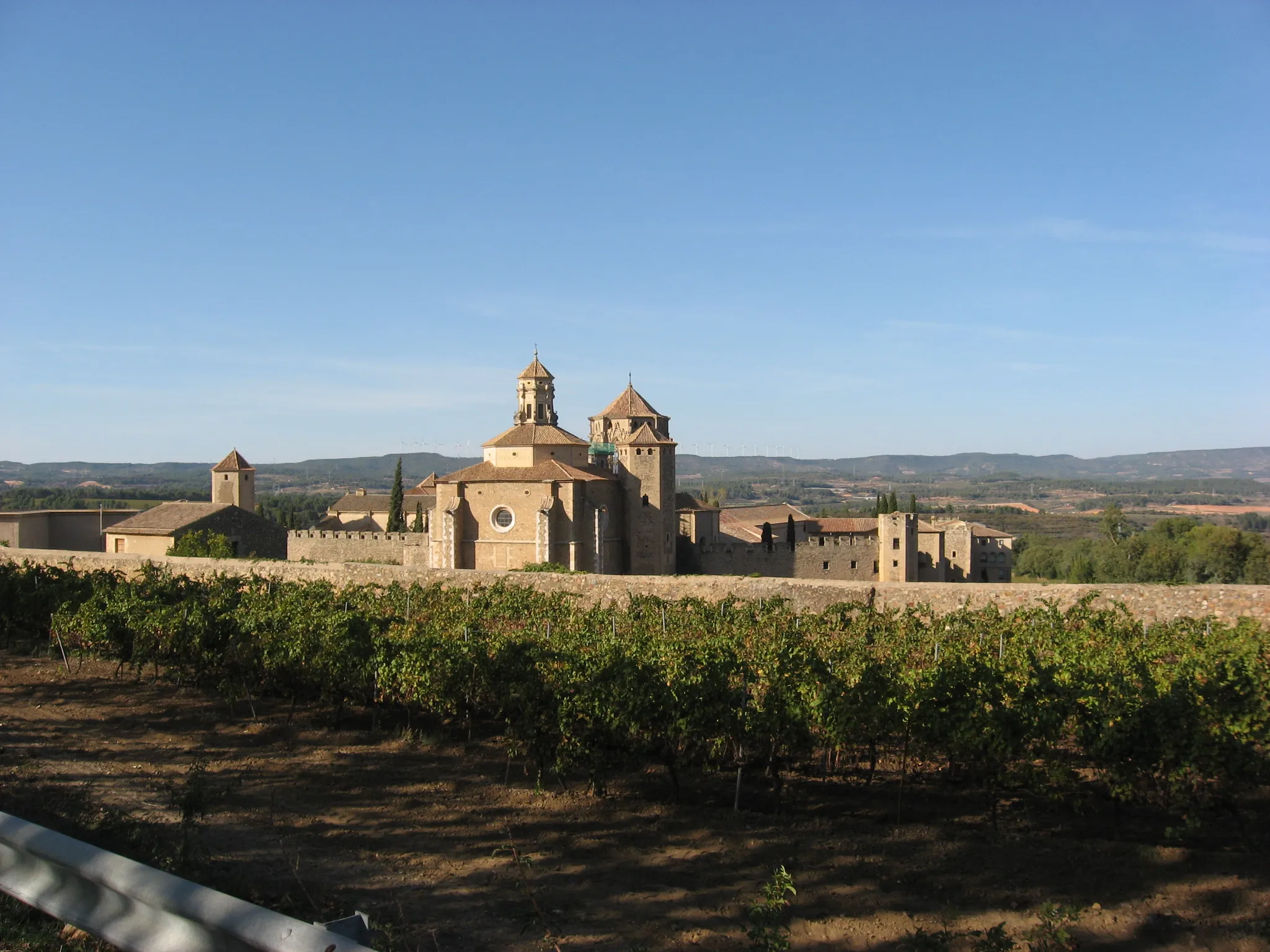
A fortified Cistercian abbey, burial place of the kings of Aragon.
Photo: Sergi Esteve (sel_commons) / CC BY-SA 3.0, via Wikimedia Commons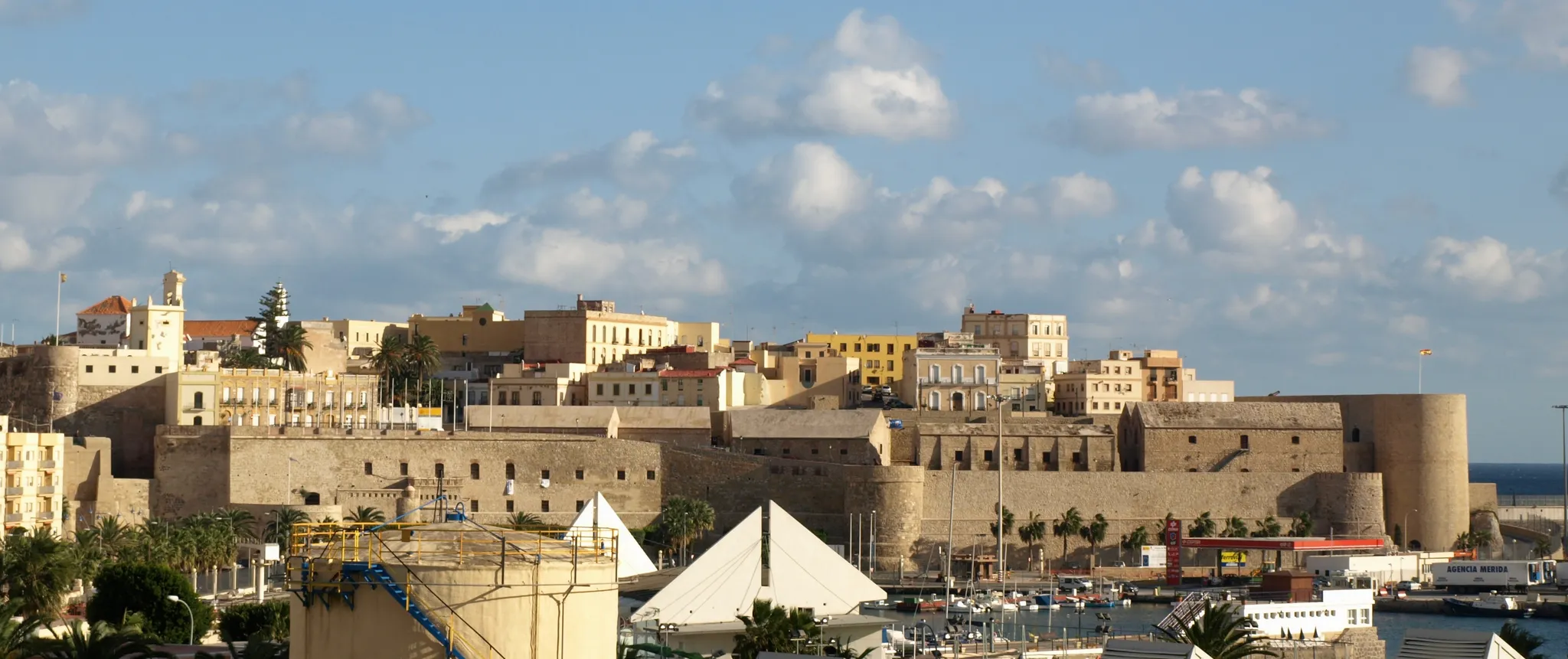
The Spanish fortress-citadel of Melilla on the coast of North Africa.
Photo: TonioMora / CC BY-SA 4.0, via Wikimedia Commons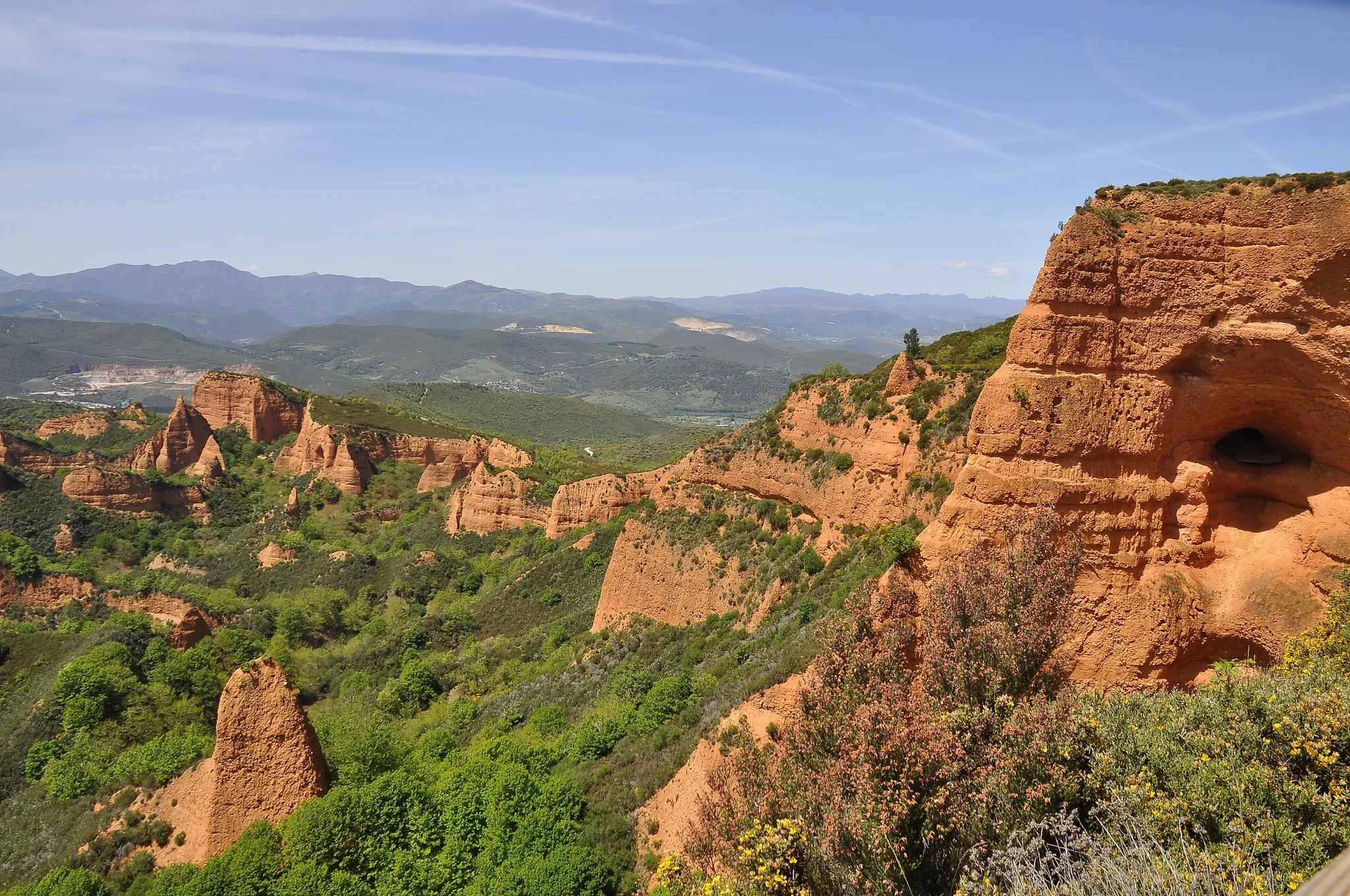
Red cliffs carved by Roman gold mining, using water to wash away whole mountains.
Photo: Public domain, via Wikimedia Commons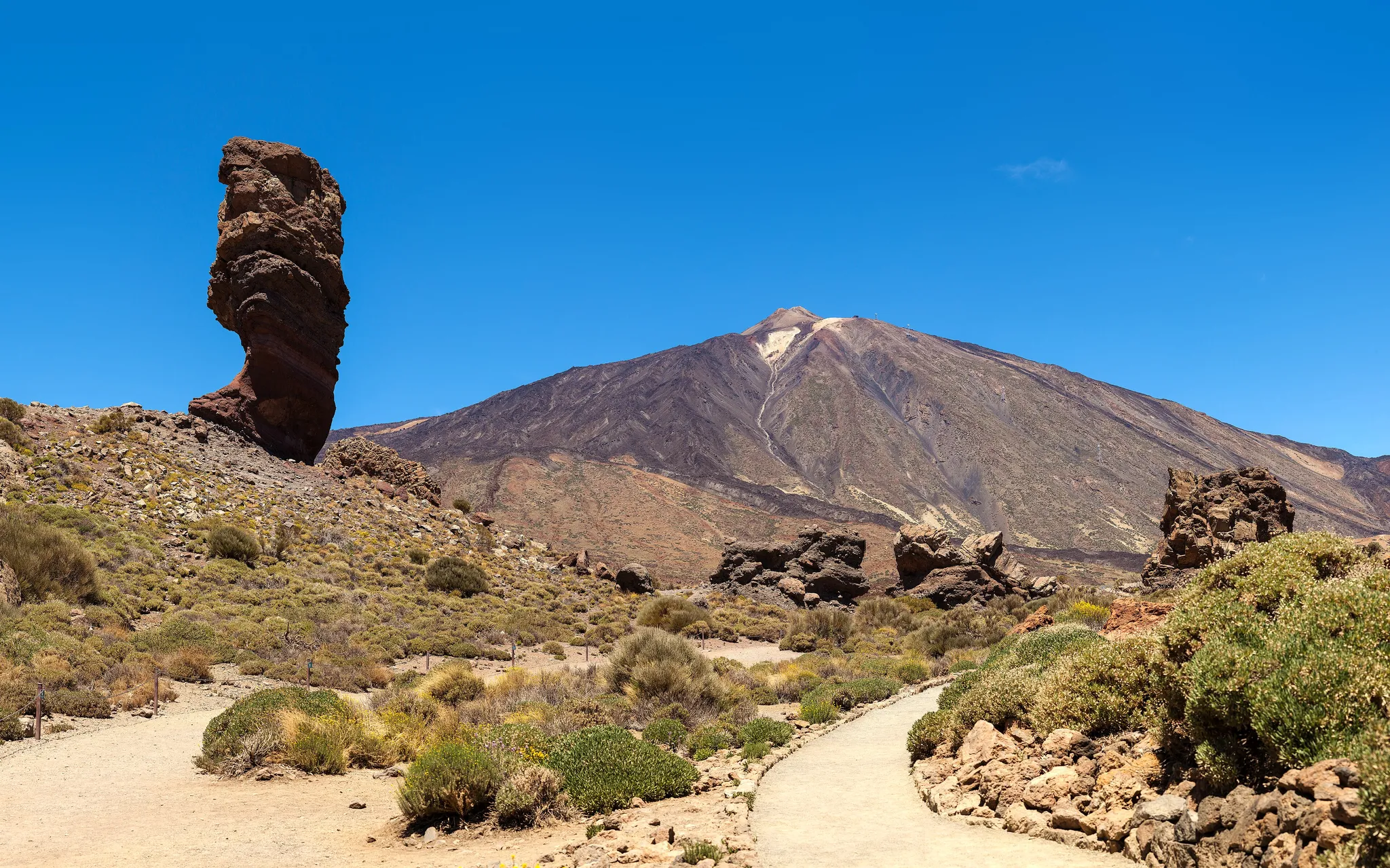
Spain's highest peak, a 3,715-metre volcano rising from a lunar caldera.
Photo: Thomas Wolf, www.foto-tw.de / CC BY-SA 3.0 de, via Wikimedia Commons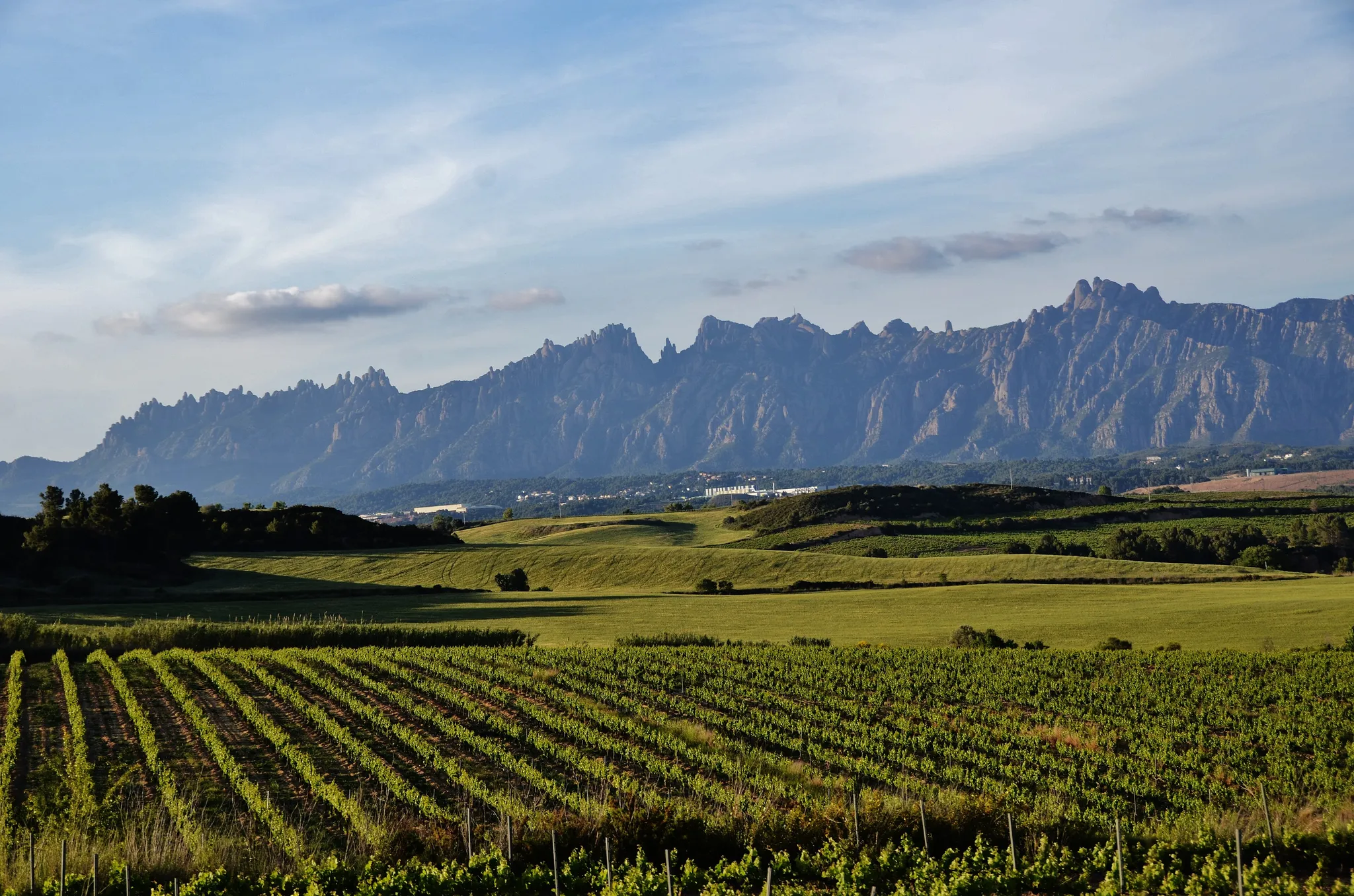
A serrated mountain with a monastery of the Black Madonna, Catalonia's holy peak.
Photo: MARIA ROSA FERRE ✿ / CC BY-SA 2.0, via Wikimedia Commons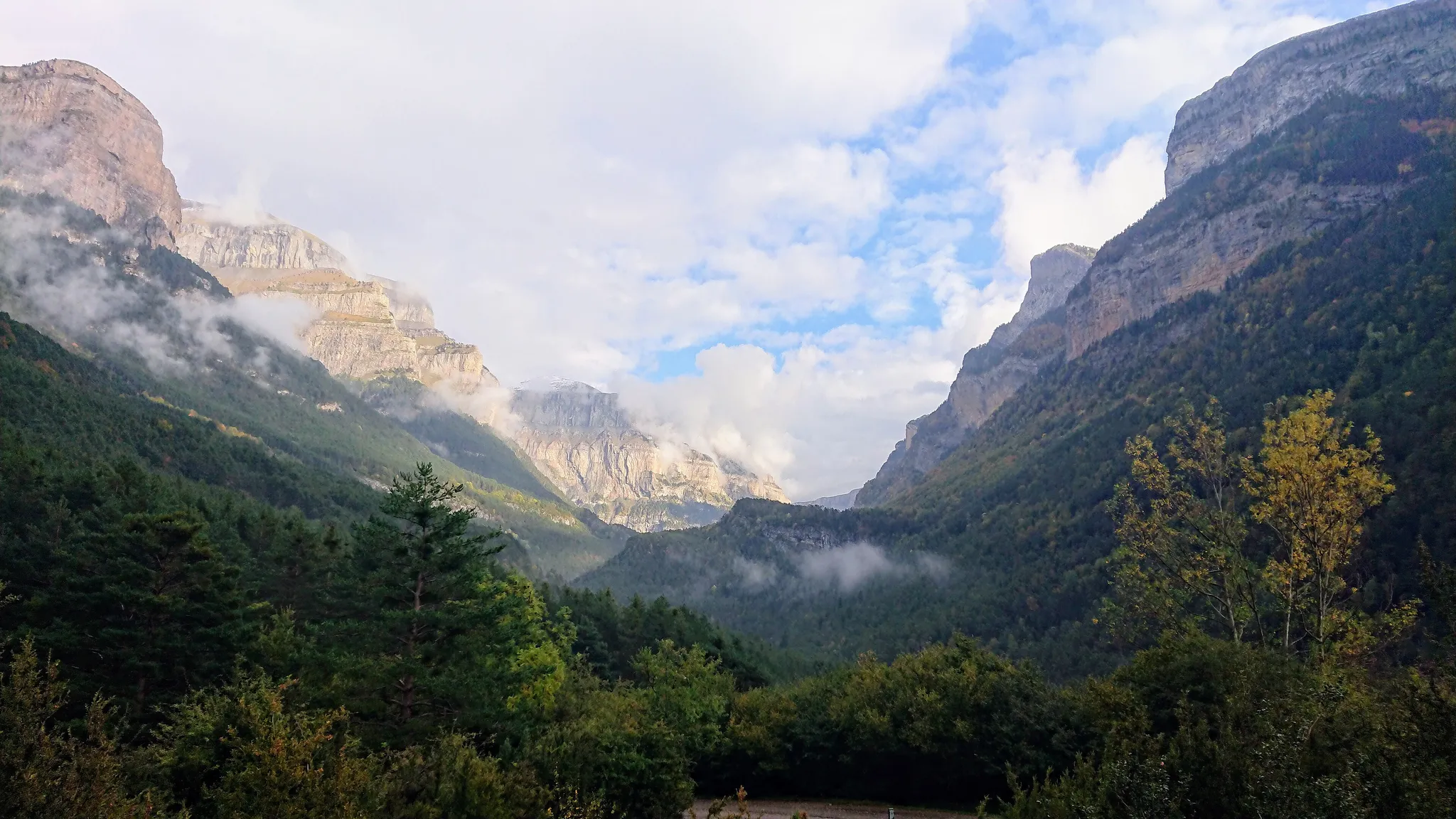
A Pyrenean park of glacial canyons and waterfalls beneath Monte Perdido.
Photo: Heparina1985 / CC BY-SA 4.0, via Wikimedia Commons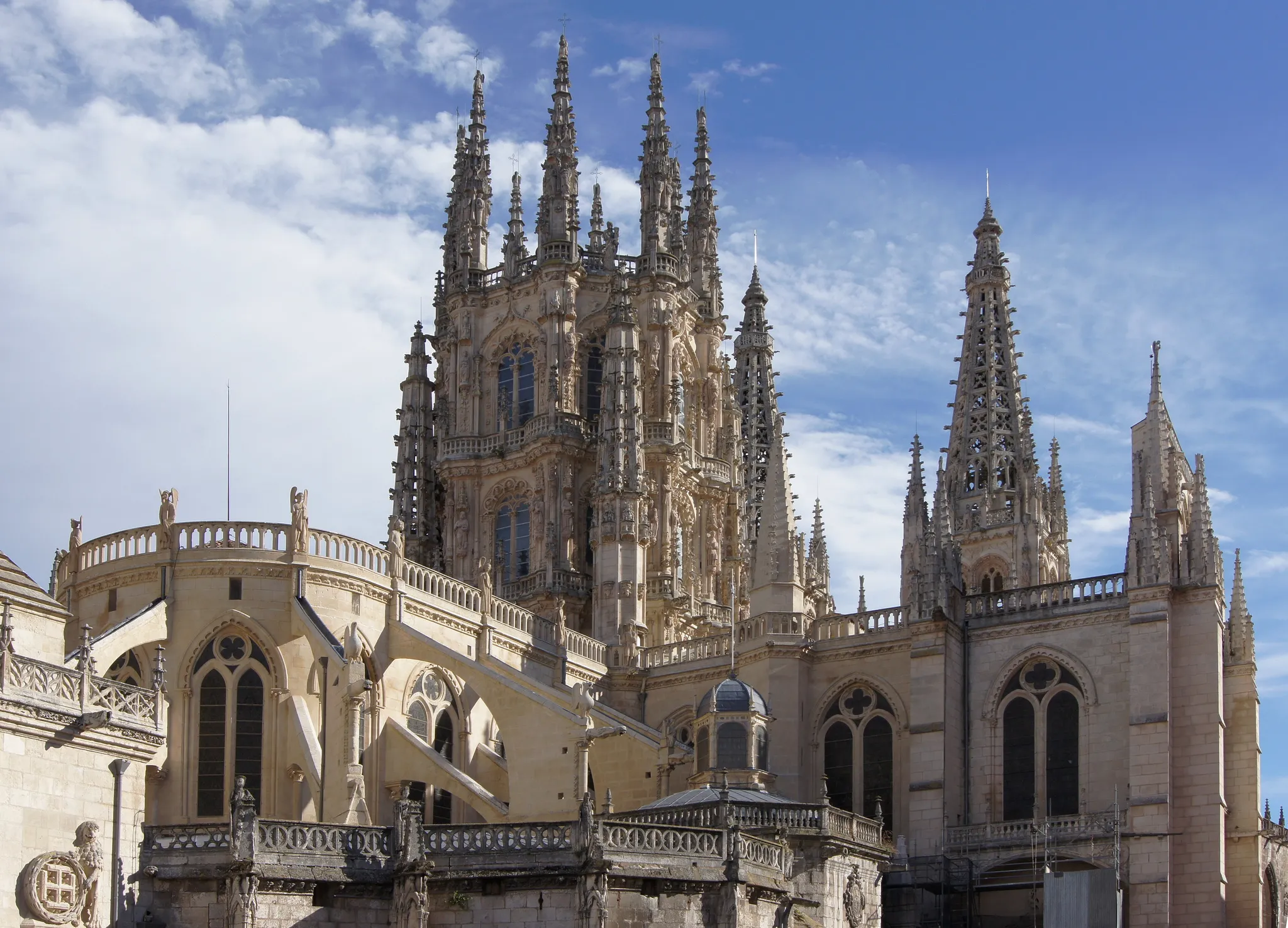
A Gothic cathedral with openwork spires, burial place of El Cid.
Photo: Jebulon / CC0, via Wikimedia Commons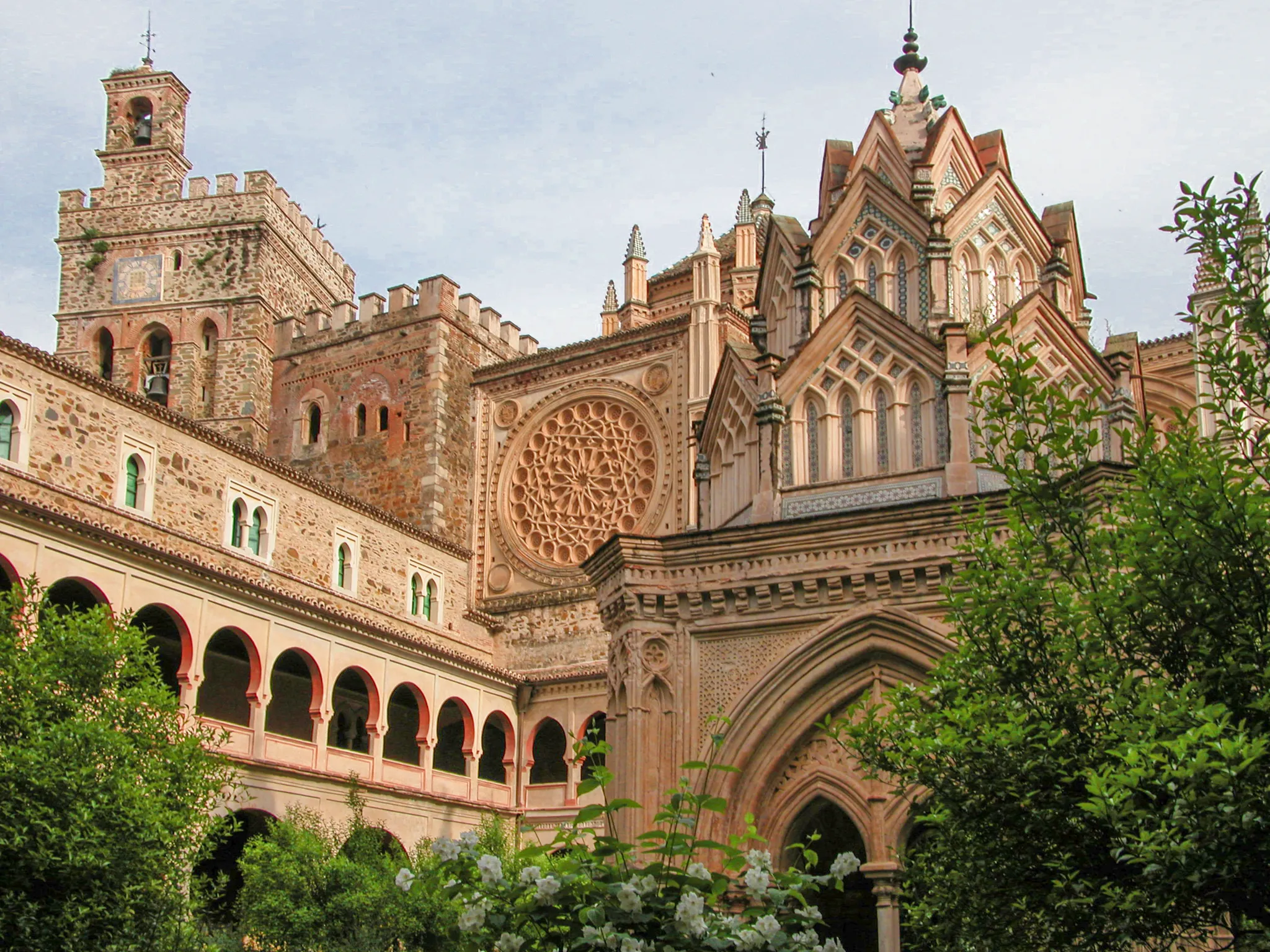
A Gothic-Mudéjar monastery where Columbus met the Catholic Monarchs.
Photo: Public domain, via Wikimedia Commons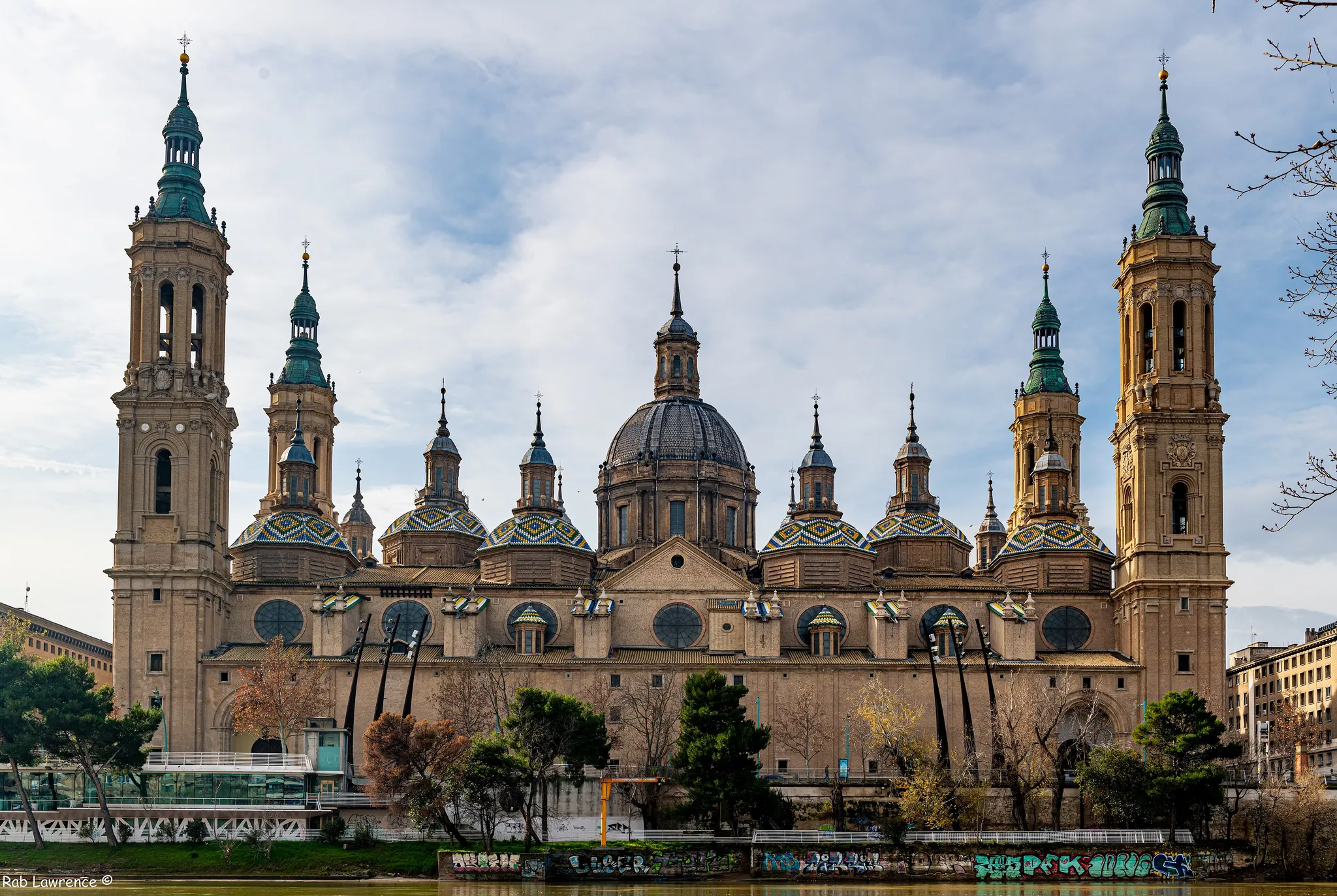
A baroque basilica of eleven tiled domes on the Ebro in Zaragoza.
Photo: Rab Lawrence / CC BY 2.0, via Wikimedia Commons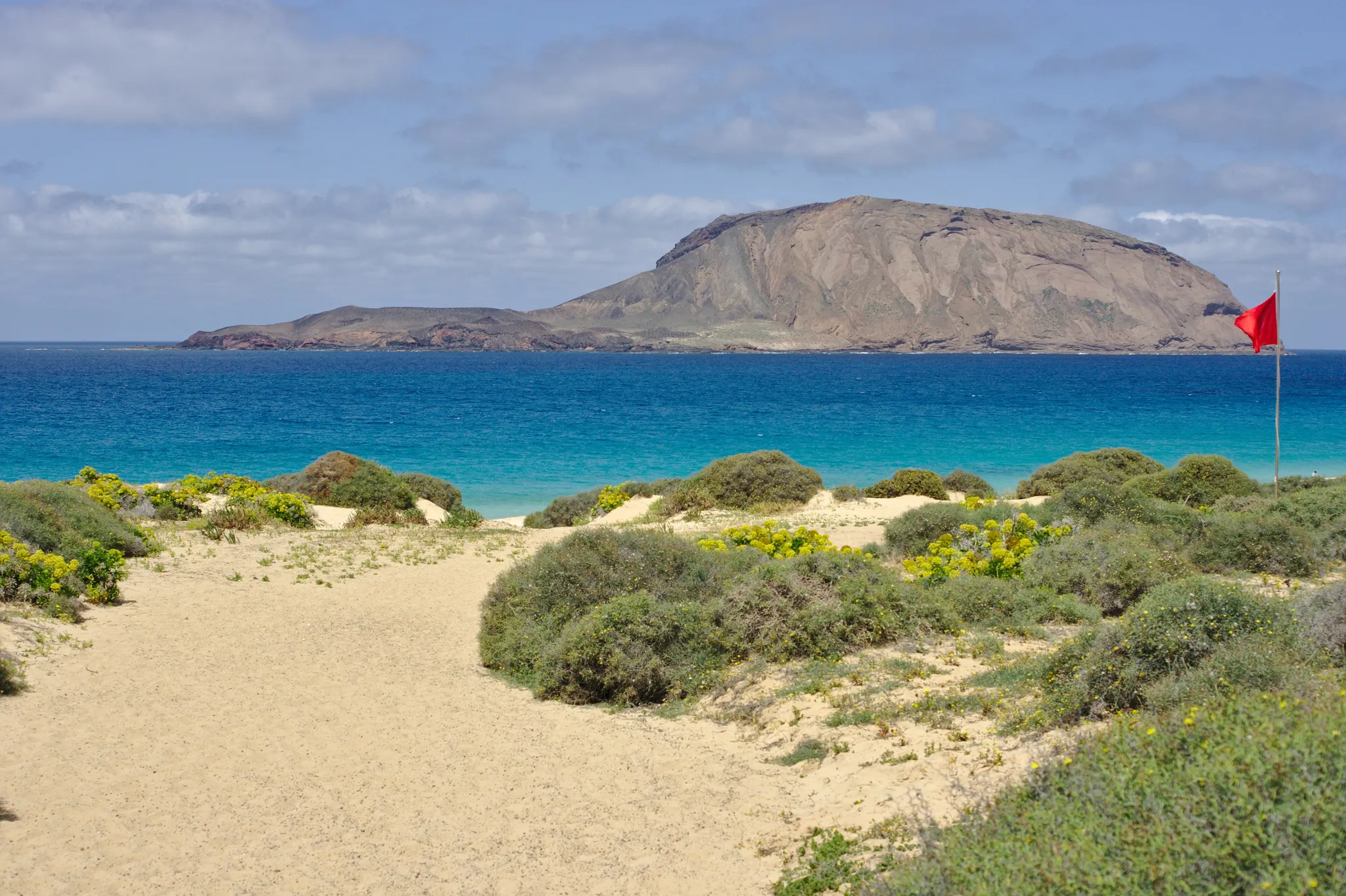
A small Canary island of sand streets and no paved roads, off Lanzarote.
Photo: Alexander Klink / CC BY 4.0, via Wikimedia Commons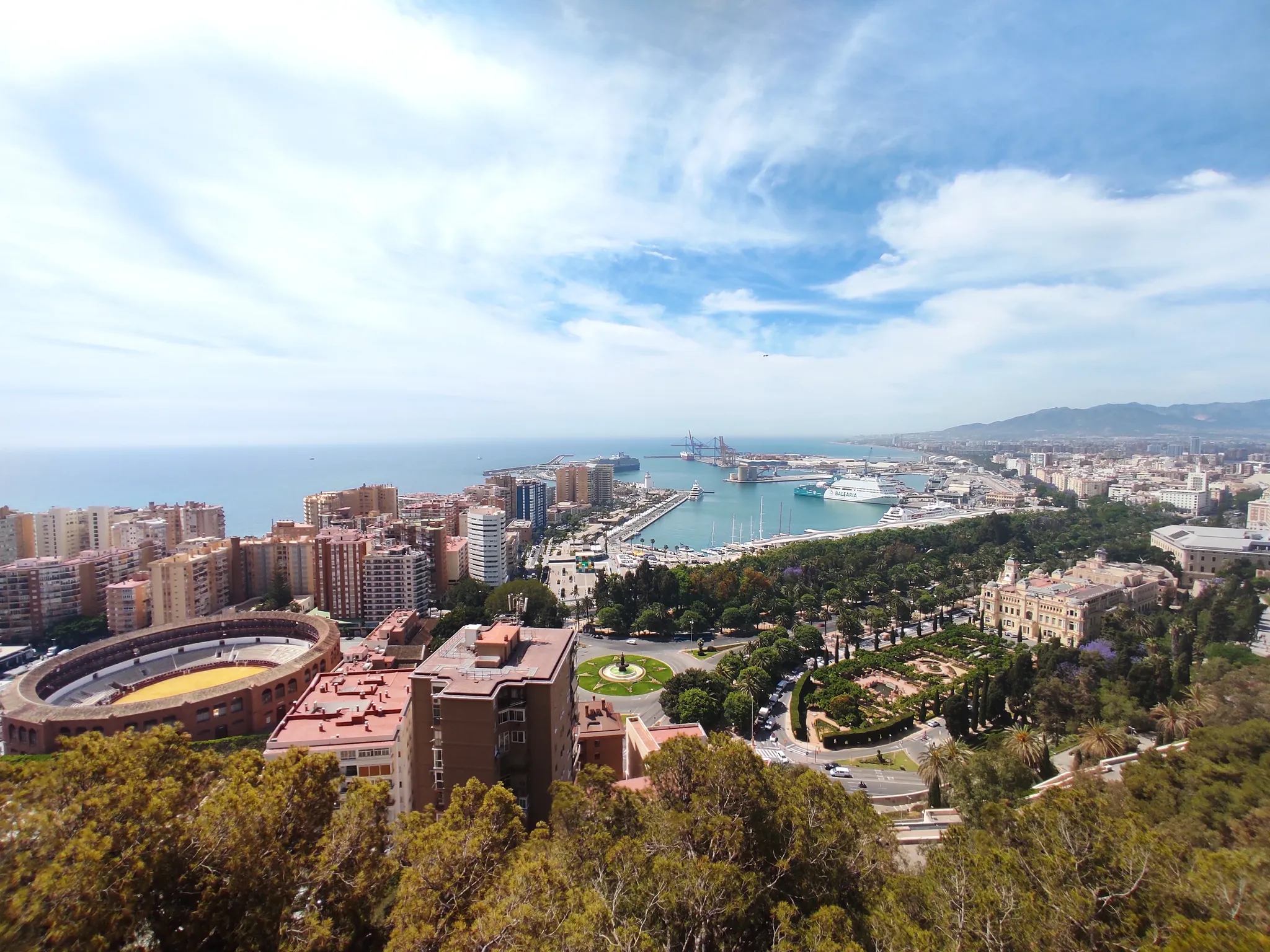
Picasso's birthplace on the Costa del Sol, with a Moorish fortress above the port.
Photo: Viktar Palstsiuk / CC BY-SA 4.0, via Wikimedia CommonsHow to place them
Andalusia holds the Moorish set: the Alhambra at Granada, the Mosque-Cathedral and Madinat al-Zahra at Córdoba, the Reales Alcázares at Seville, Ronda's gorge in the hills behind Málaga. Barcelona has the Sagrada Família and Park Güell, with Montserrat 40 km inland and Poblet abbey further west; Valencia's silk exchange and Alicante's castle fill the coast south of it. Madrid is the Royal Palace, with Toledo 70 km south and Segovia's ship-shaped Alcázar 70 km north.
The north is a line of cathedrals and Roman leftovers: Burgos, León and Zaragoza's Basilica of the Pillar, the Tower of Hercules lighthouse at A Coruña on the Atlantic corner, Las Médulas in the hills of León. Monte Perdido and the Ordesa canyons are the Pyrenees on the French border, the highest ground on the mainland. Bilbao's Guggenheim is on the Bay of Biscay between them.
Then the places that are not on the peninsula. Five are in the Canary Islands, off Africa at 28 north: Teide, La Laguna and the Auditorio on Tenerife, Garajonay on La Gomera, Graciosa off Lanzarote. Three are on the Moroccan coast itself: Melilla la Vieja and the two Peñones, Vélez de la Gomera and Alhucemas, rock fortresses joined to Africa by a sandbar or by nothing at all. Ibiza and Cabrera are the Balearics, east of Valencia. The Canaries sit outside the map round below; the African rocks are in it, and a pin on the Spanish mainland for any of them is over 150 km out.
Spain is one country. The daily draws from all 167.
Play the daily in the appQuestions & answers
How many places in Spain are in the game?
34, from Tower of Hercules in the north to Garajonay National Park in the south, five of them beyond the mainland map. A round here plays five of them.
Which photo from Spain is the hardest?
Alicante, León Cathedral and Peñón de Alhucemas are rated hard, with five more. On hard photos the score halves every 451 km beyond the accuracy radius.
Which one is easiest to score full points on?
Peñón de Vélez de la Gomera: its accuracy radius is 60 km, so any pin inside that circle scores 5,000.